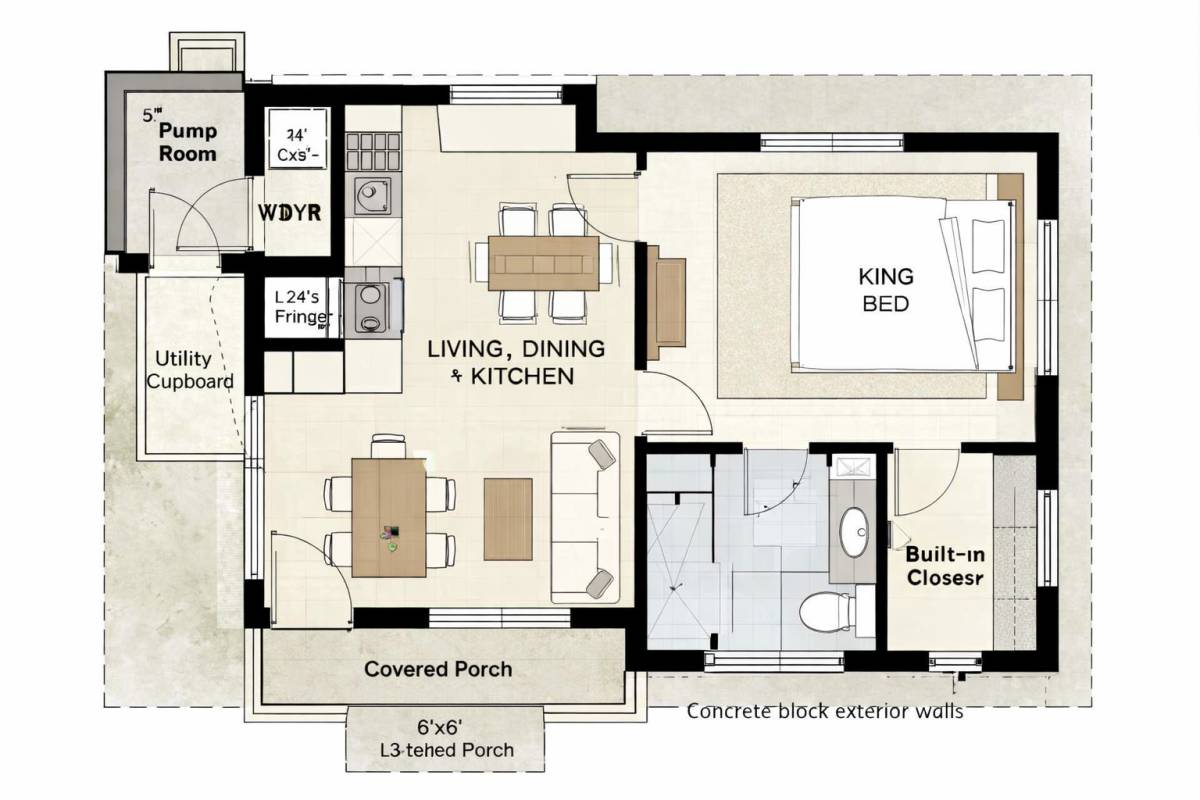
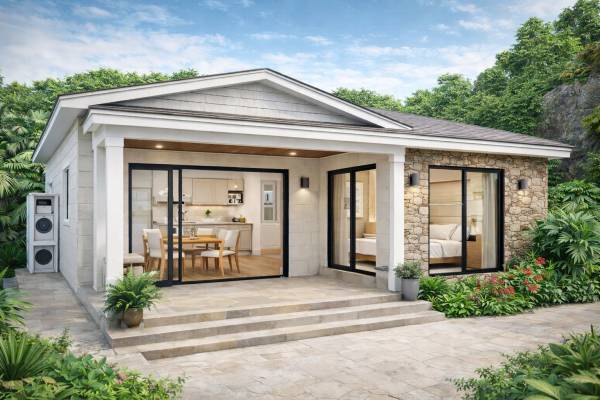
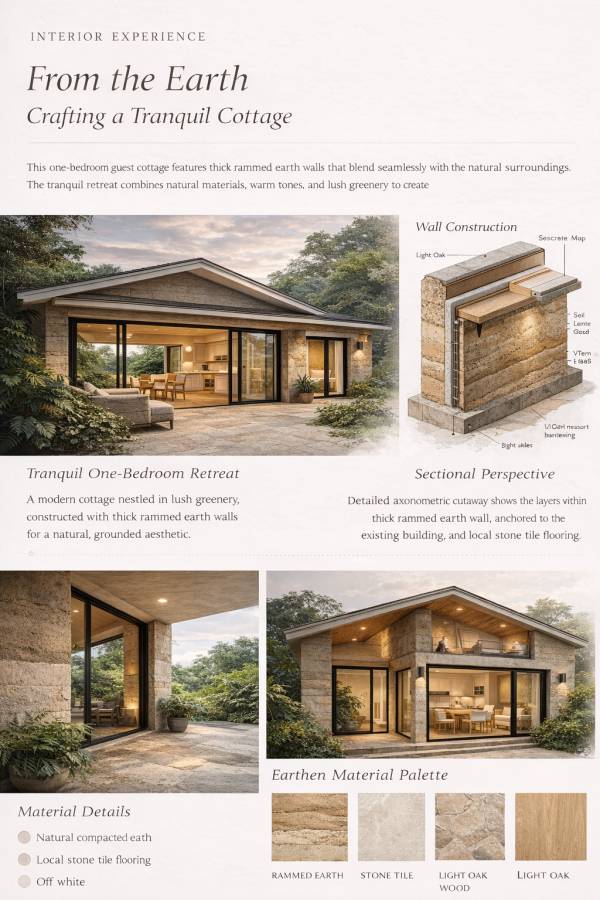
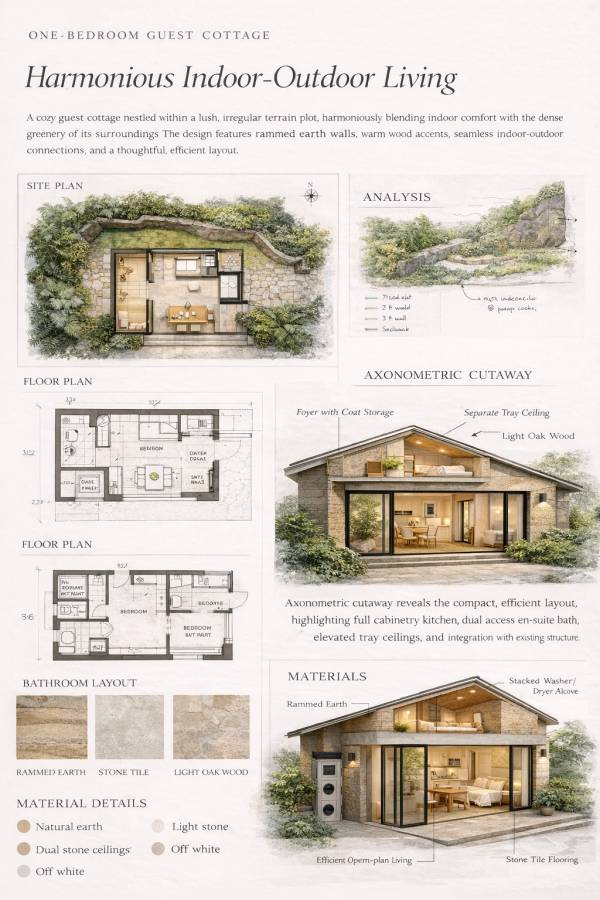
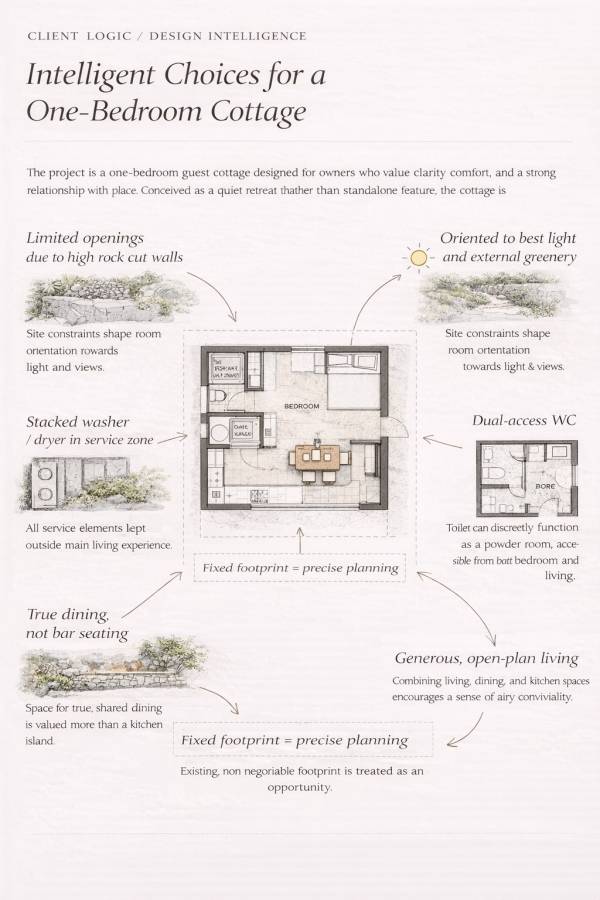
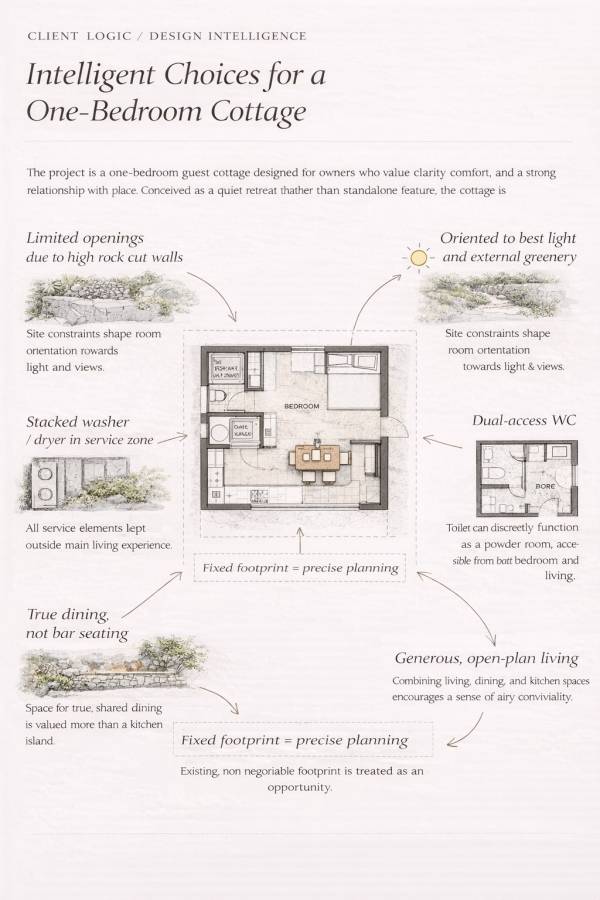
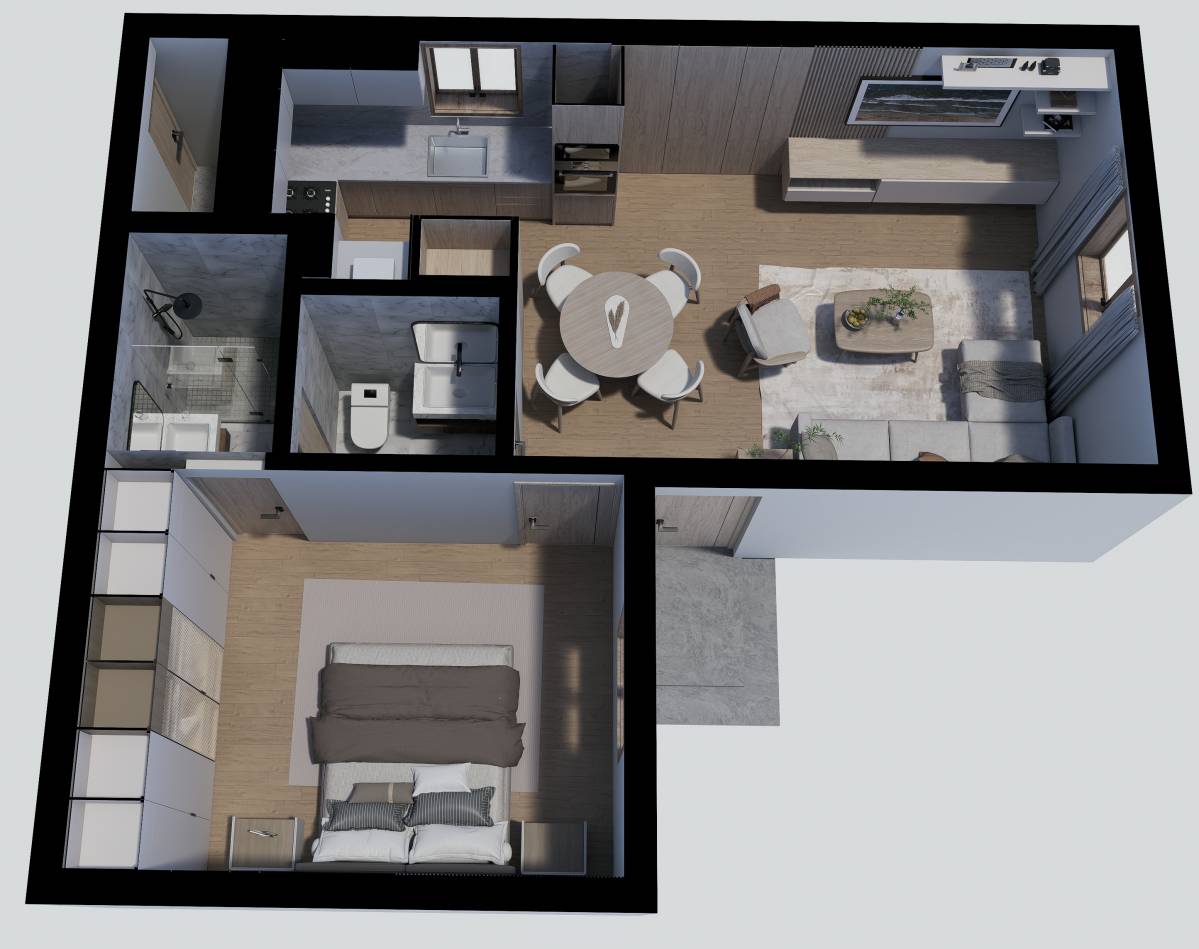
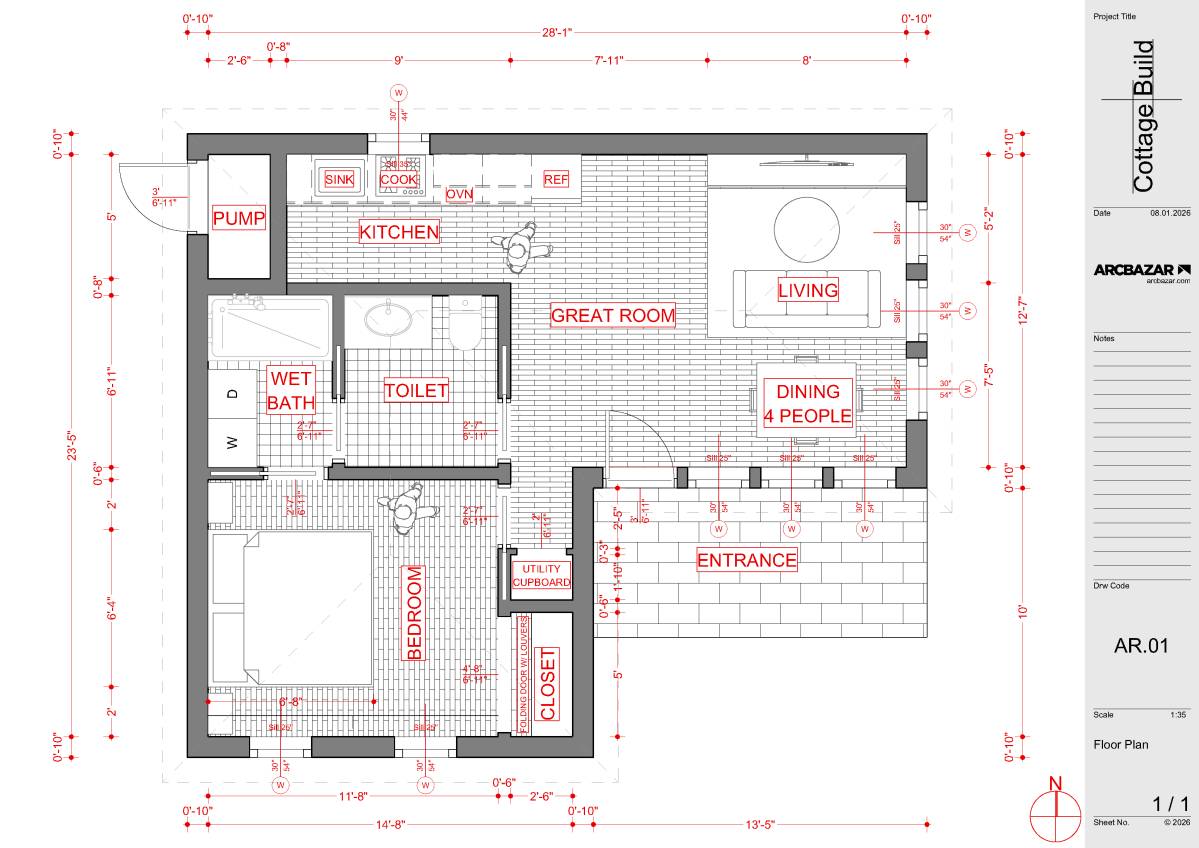
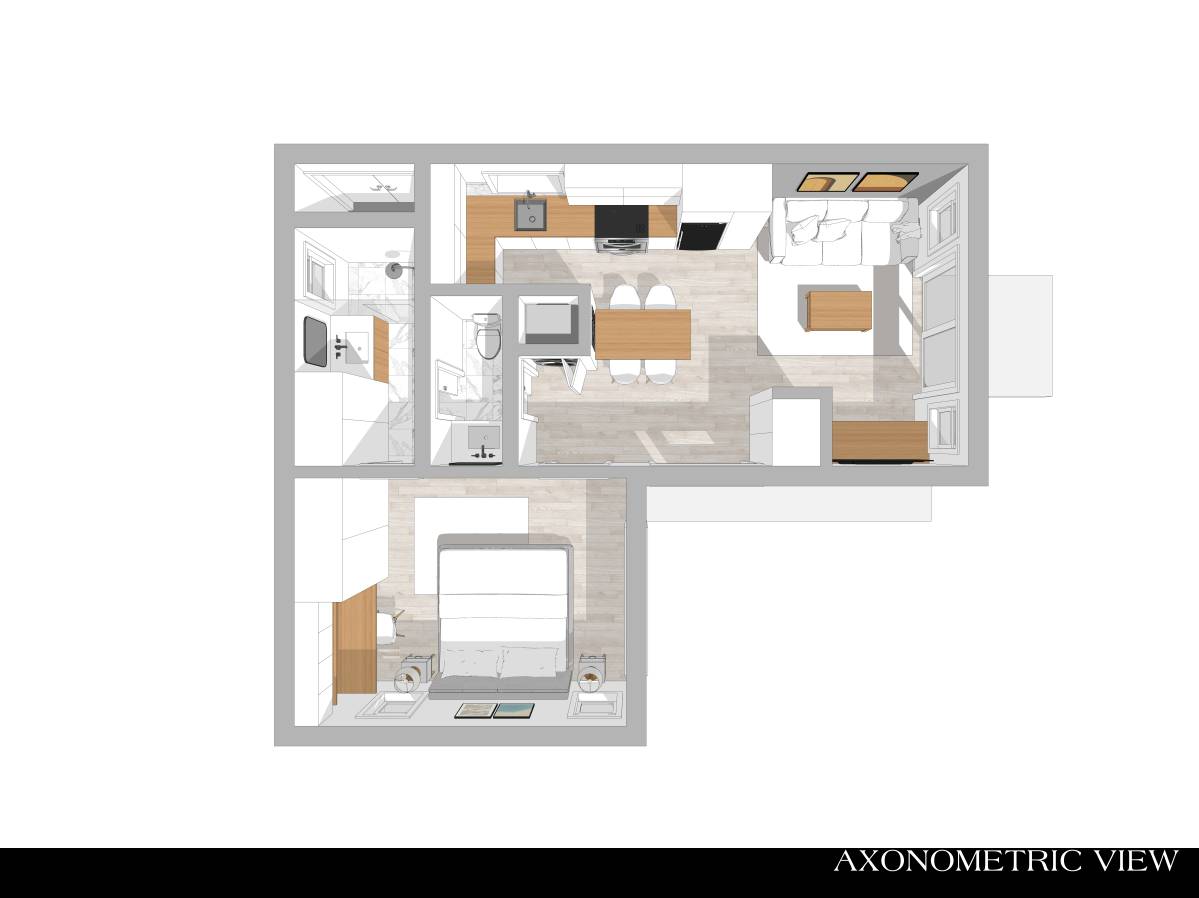
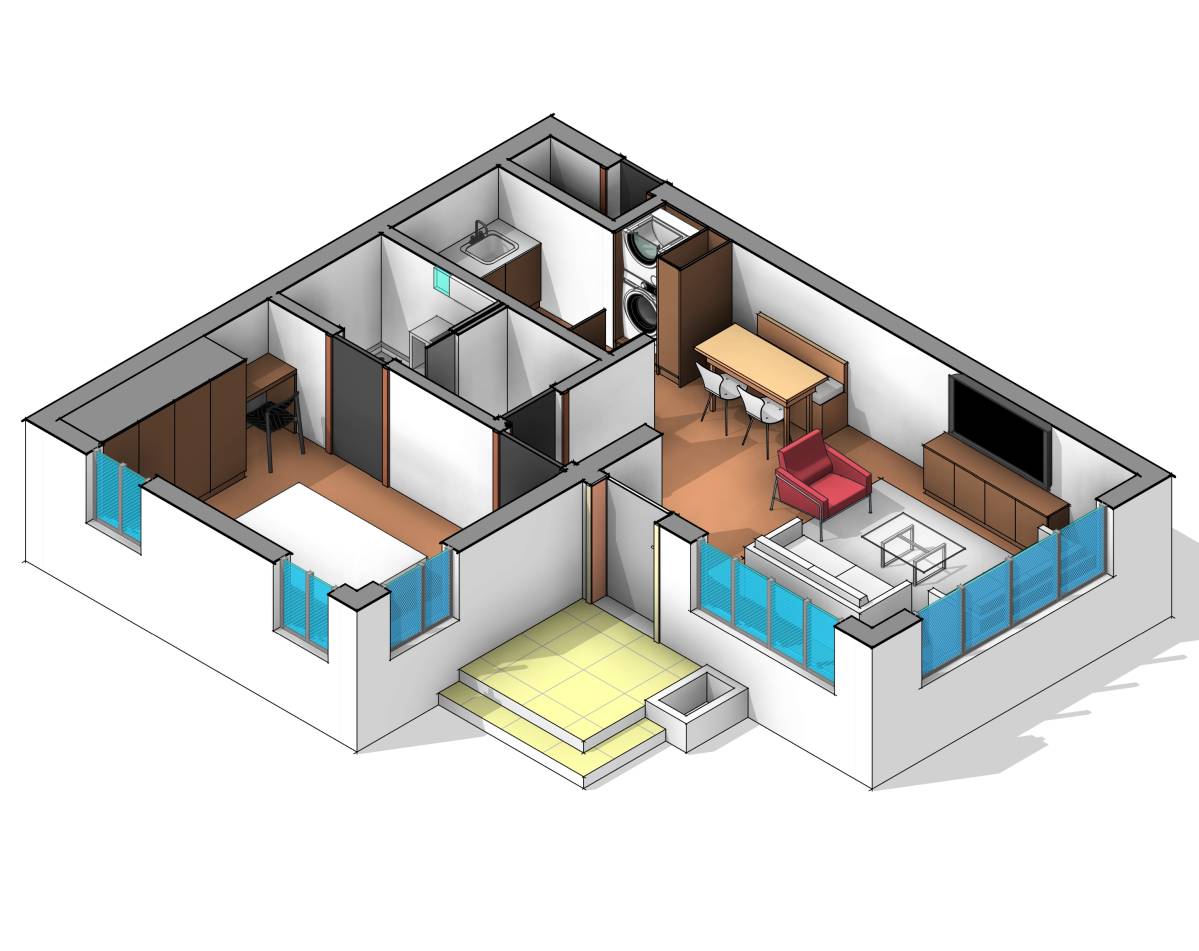
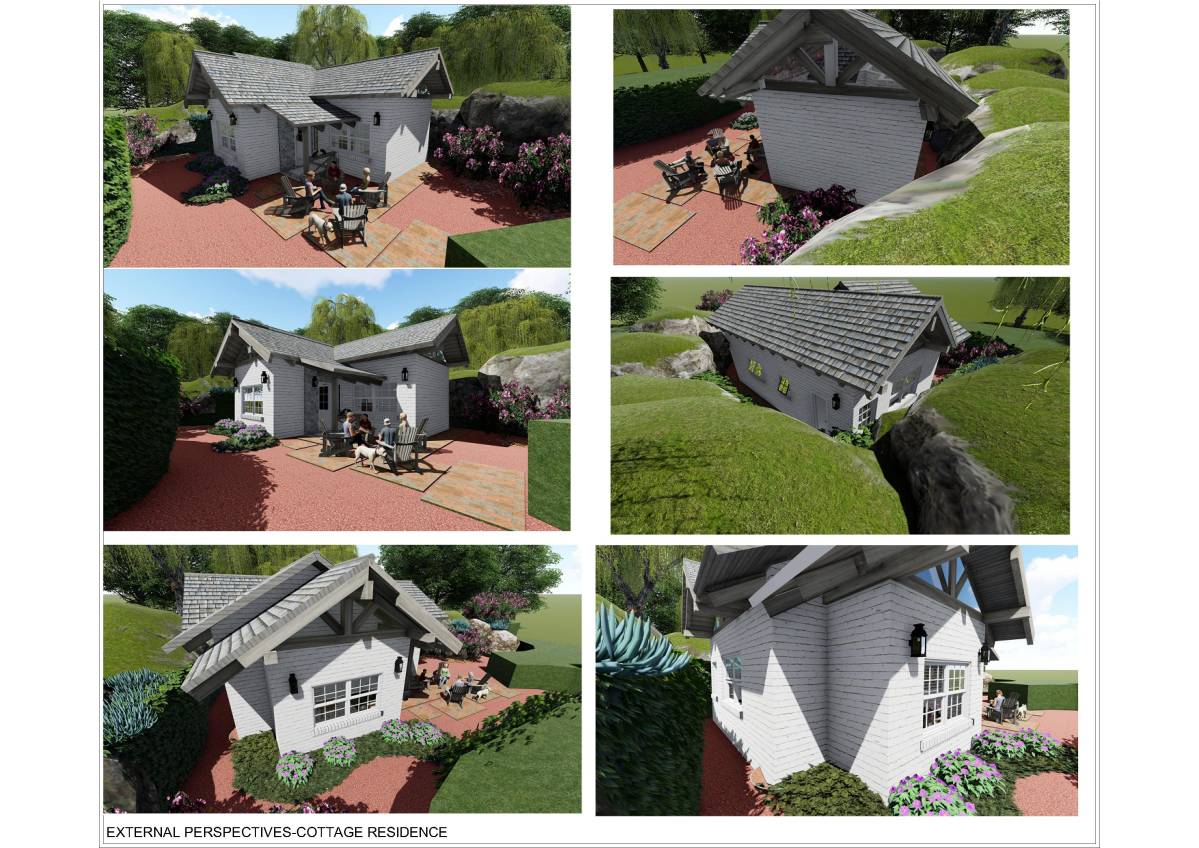
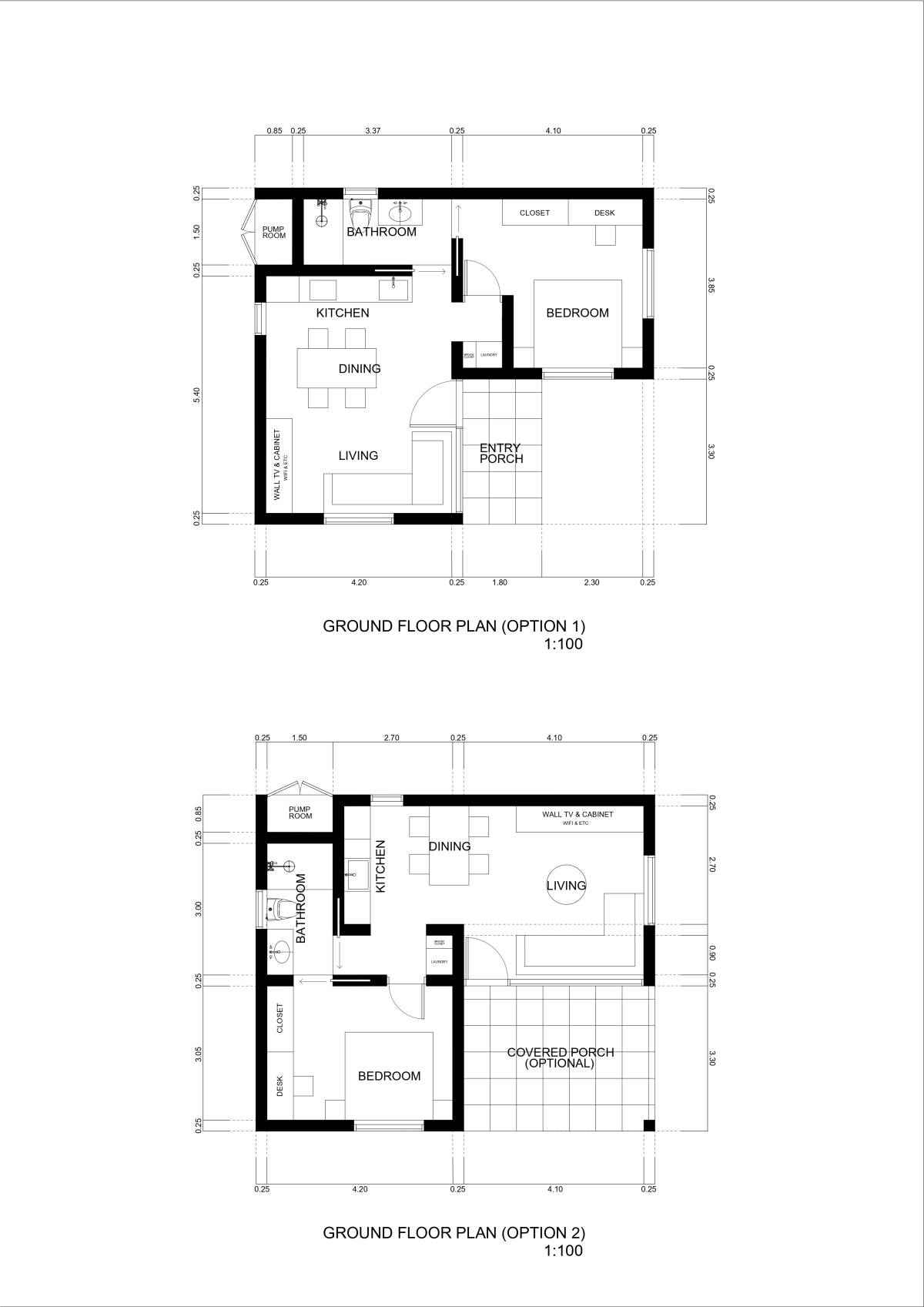
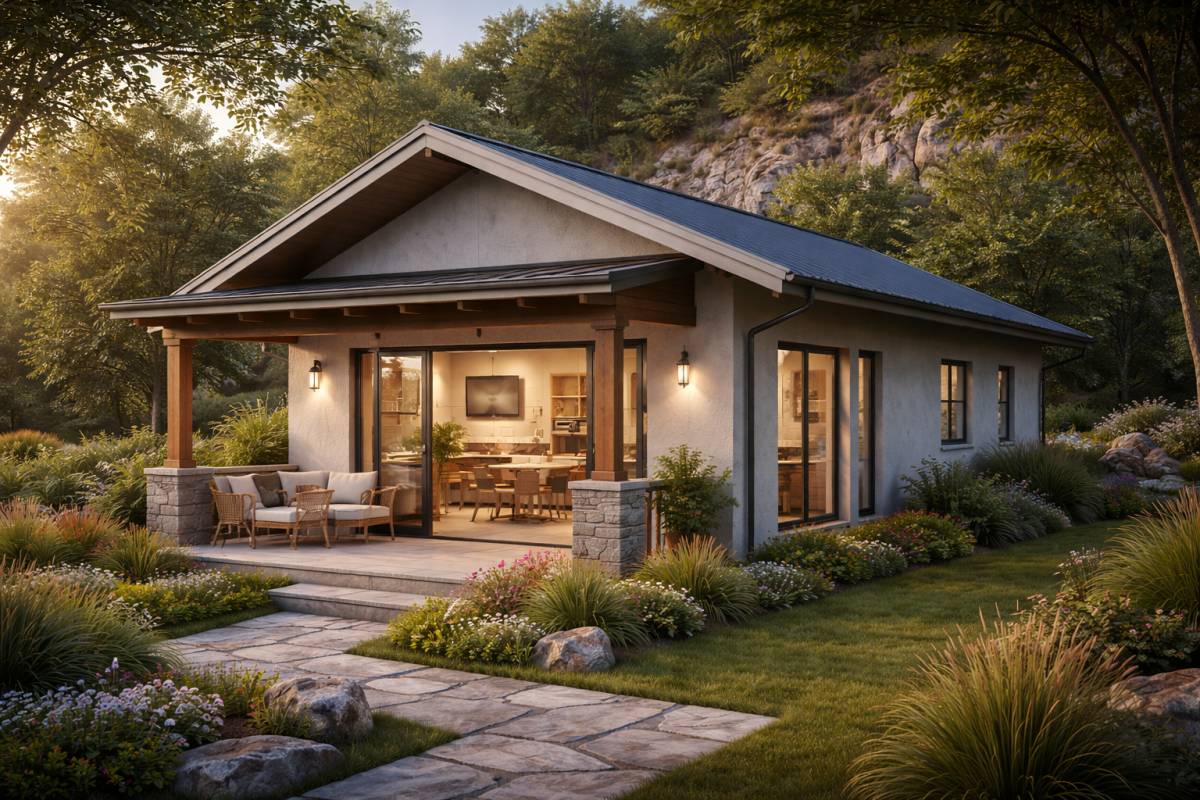
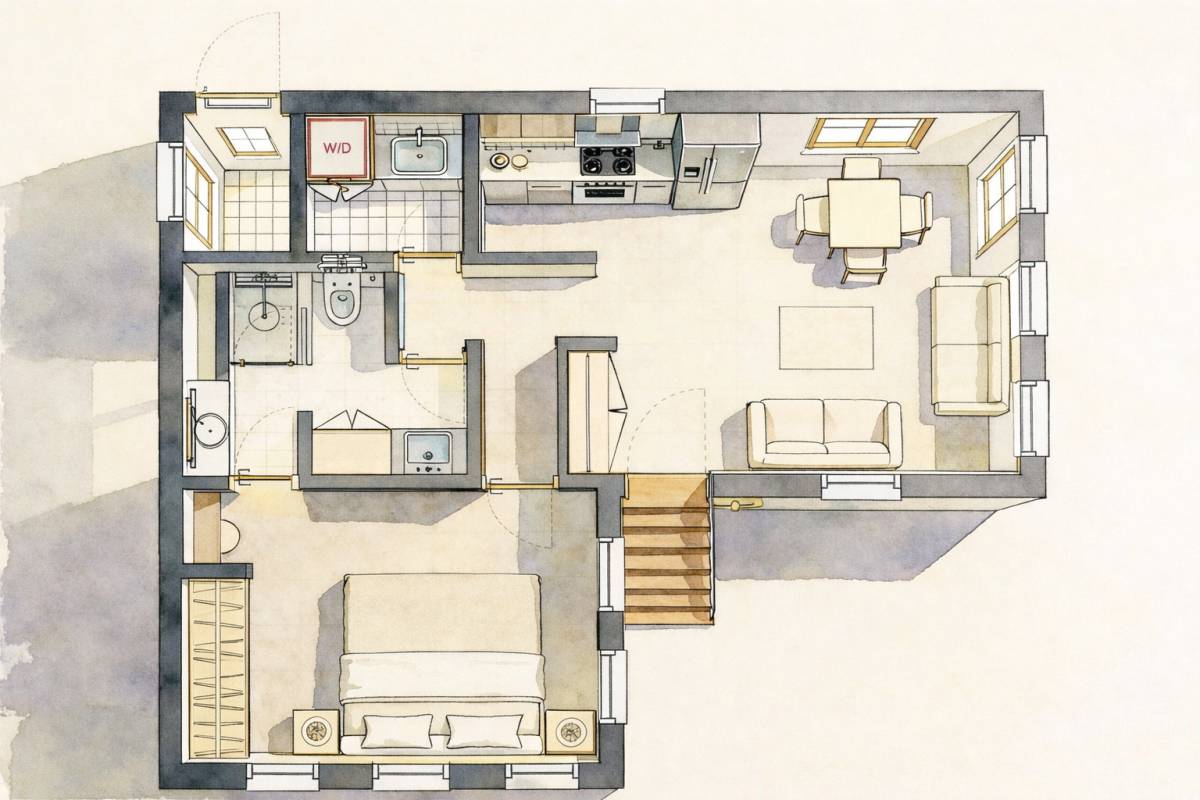
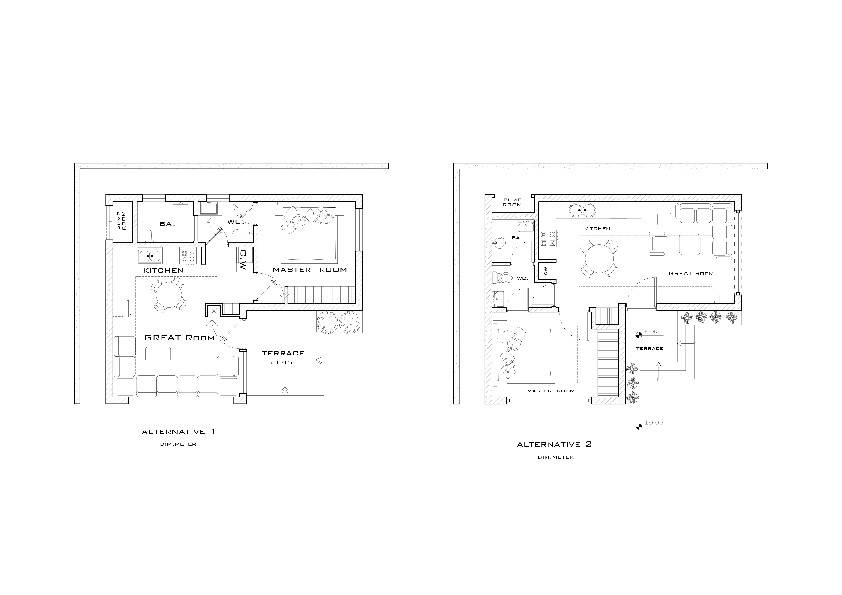
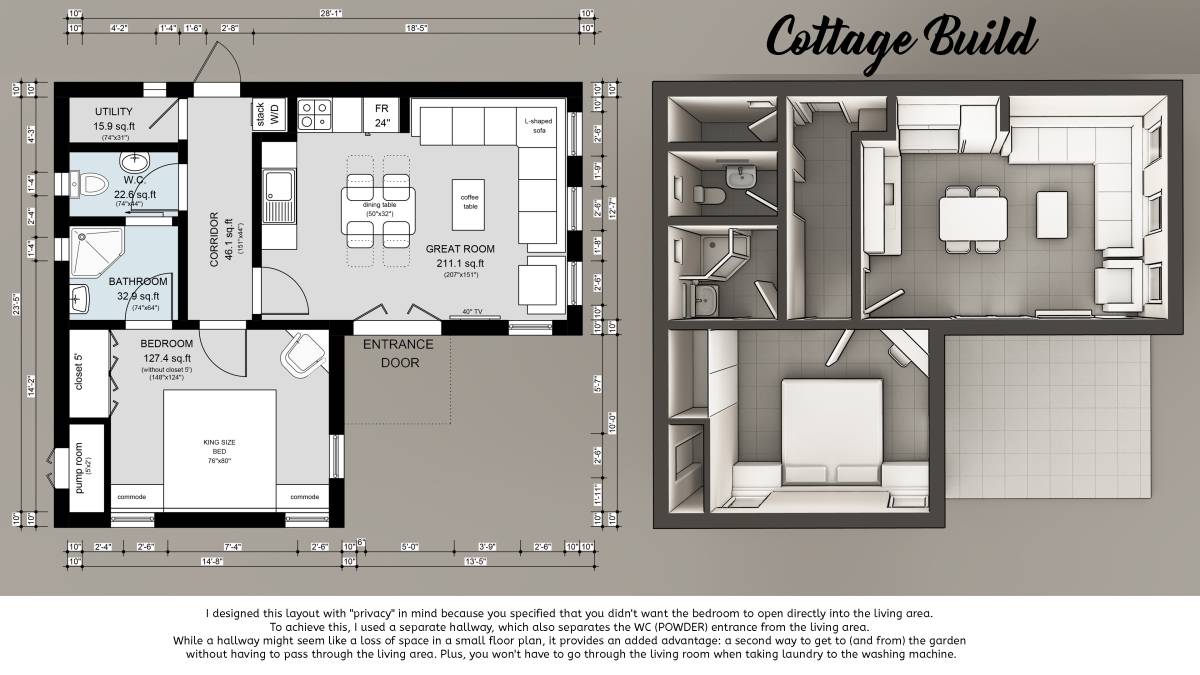
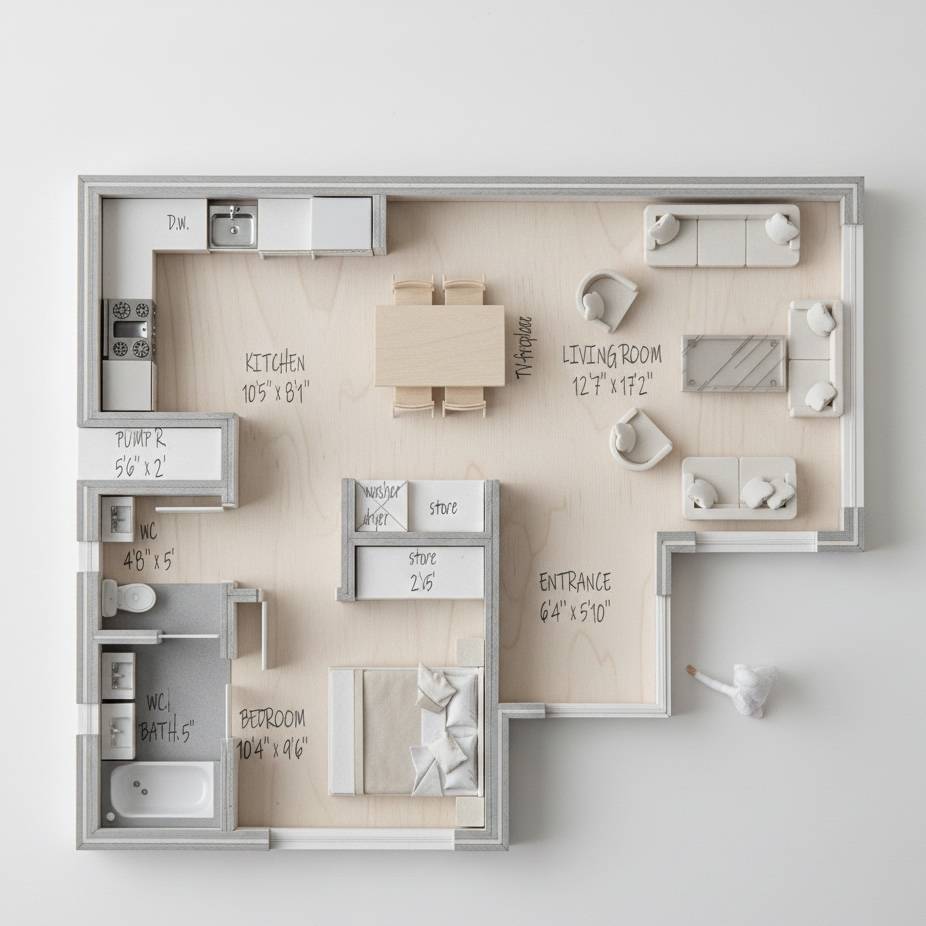
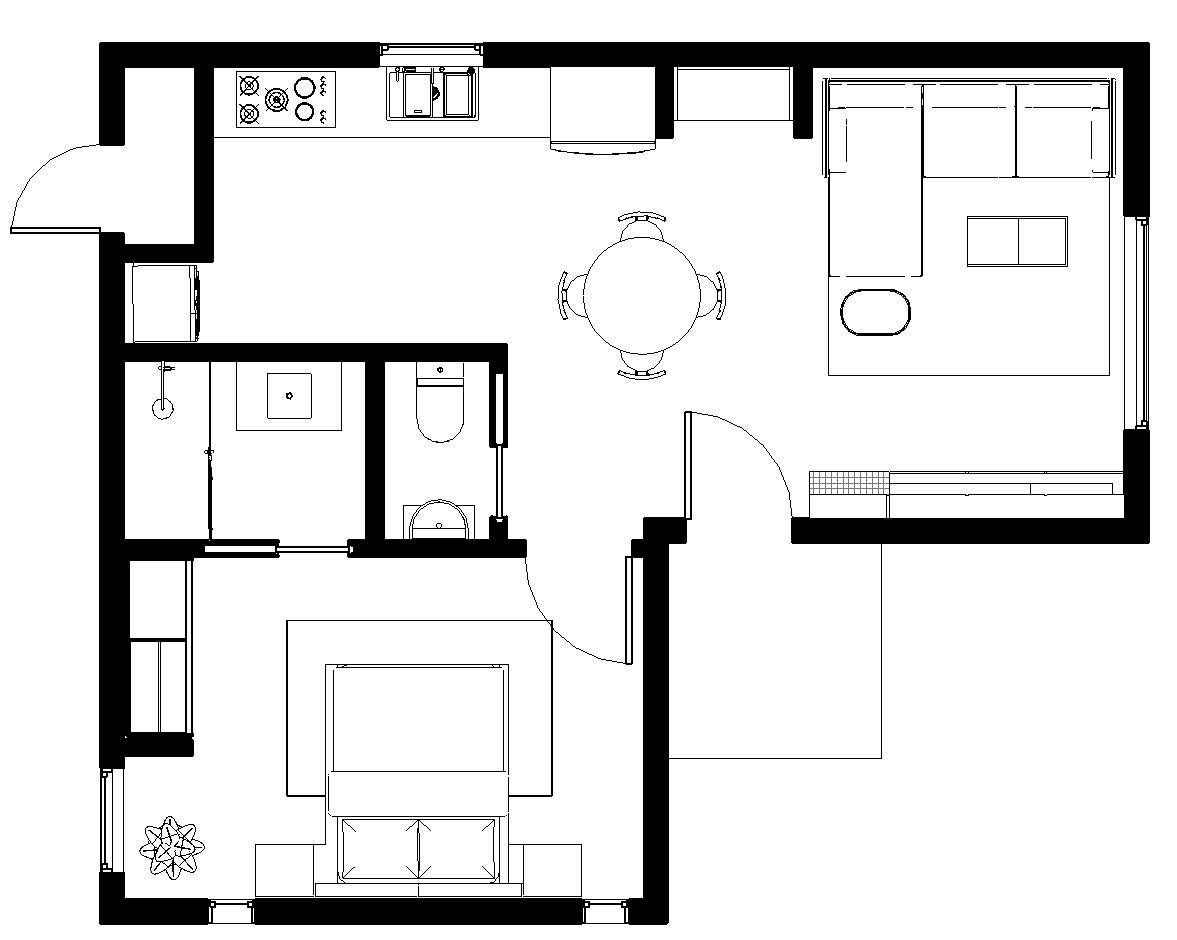
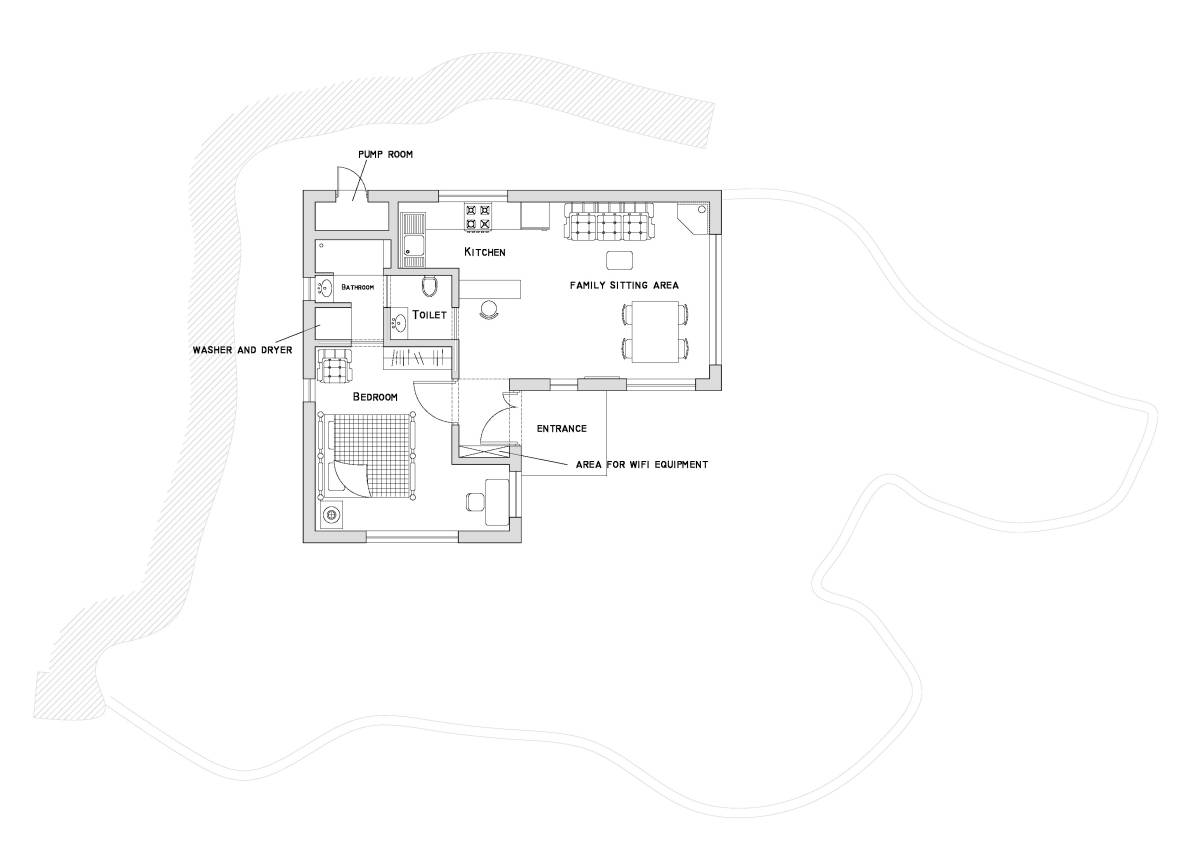
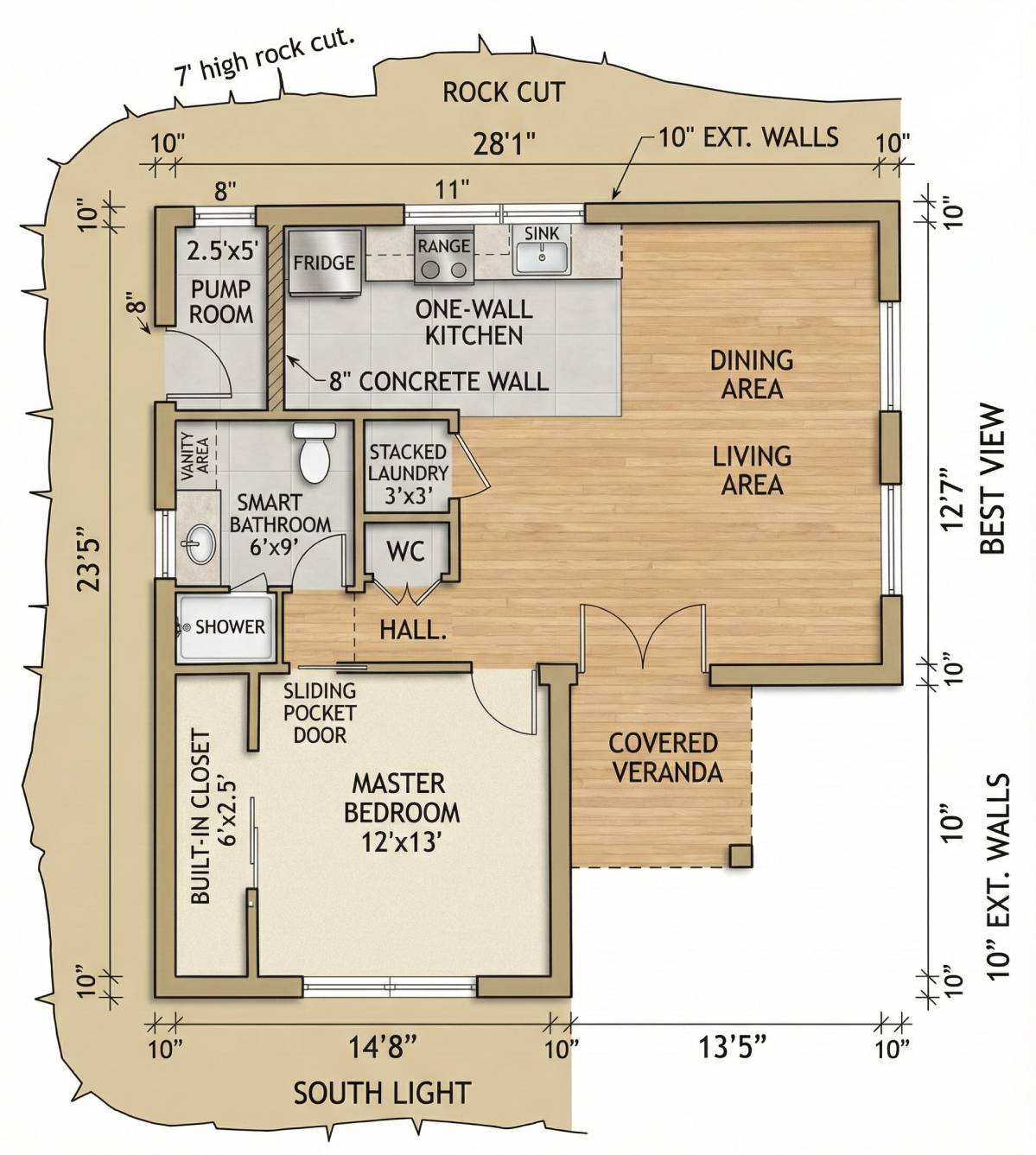
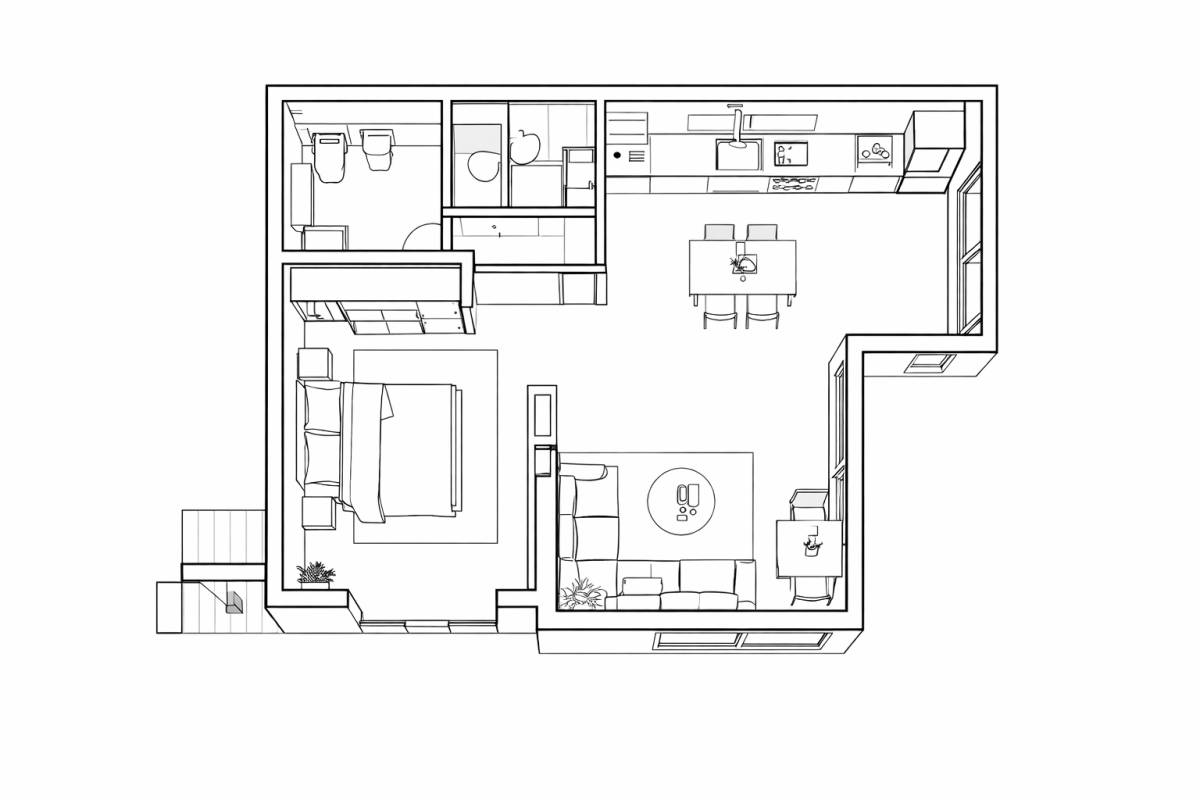
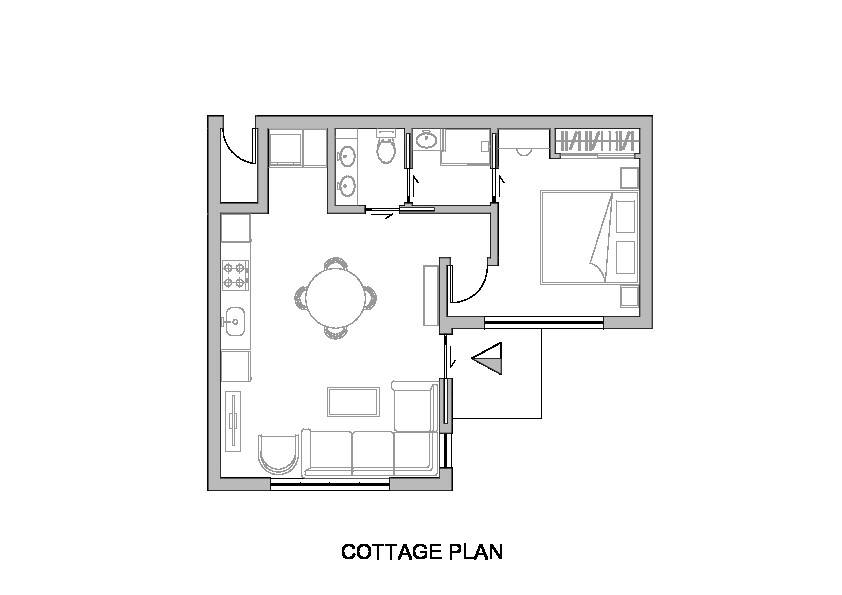
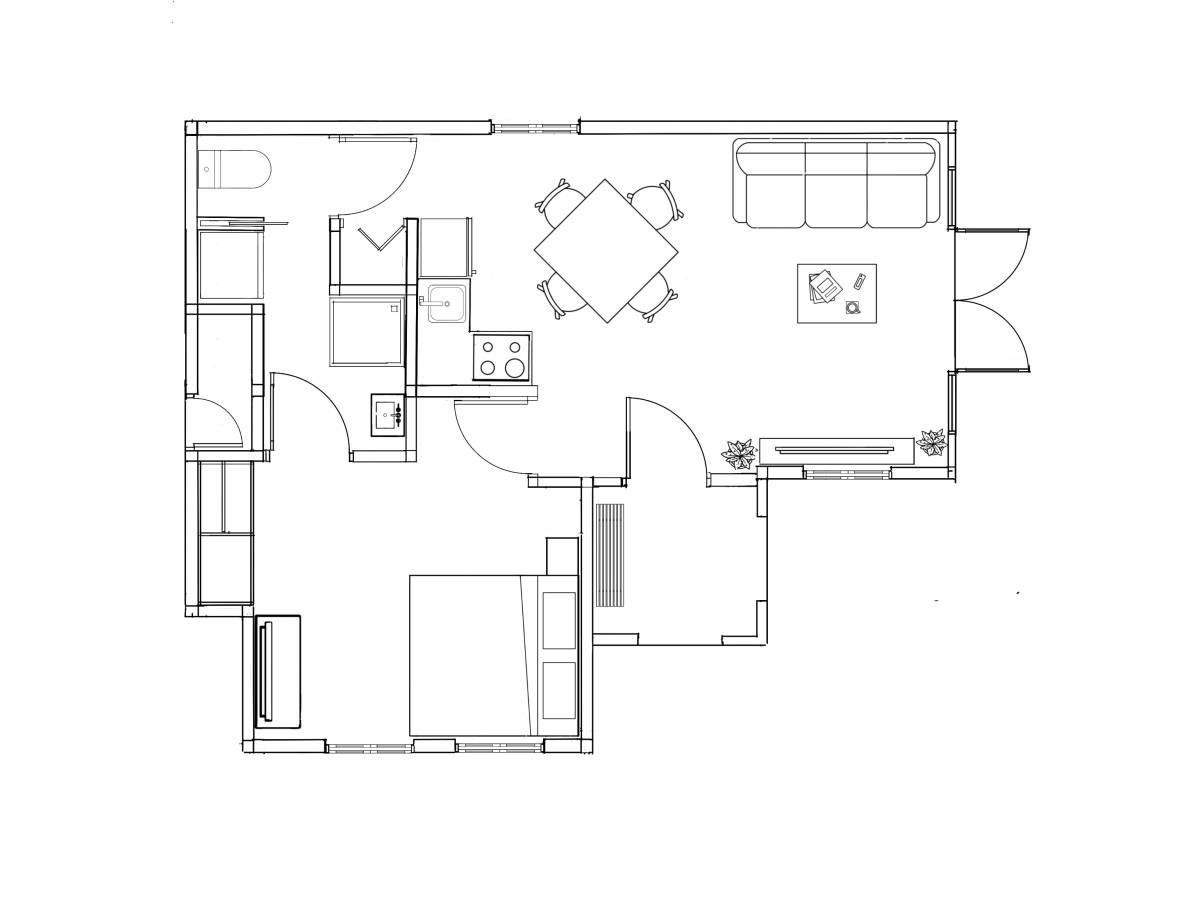
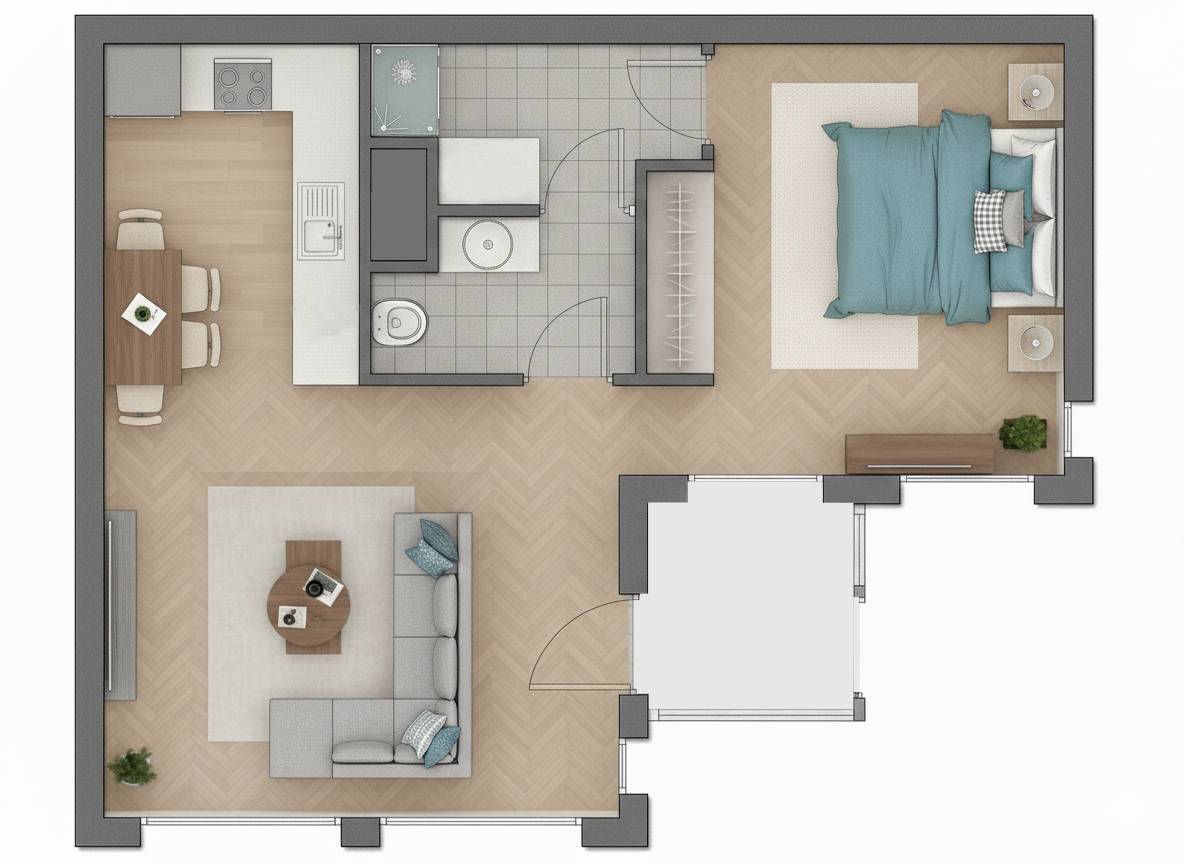
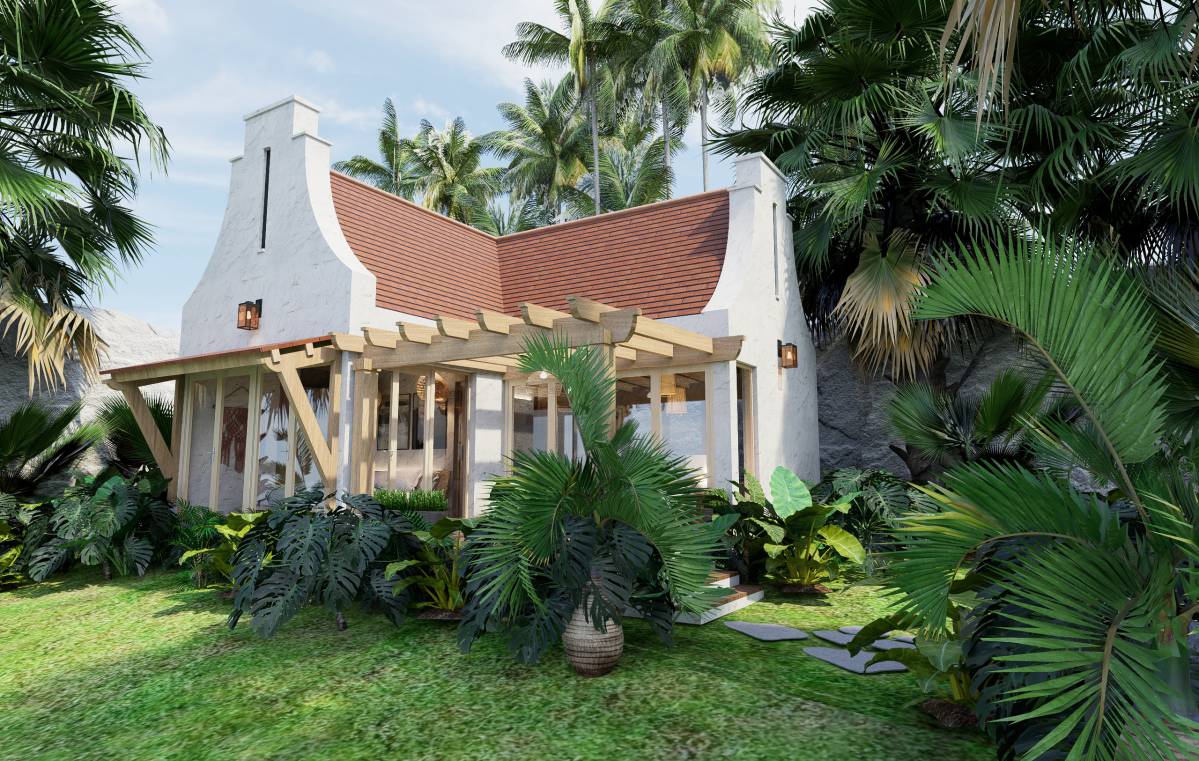
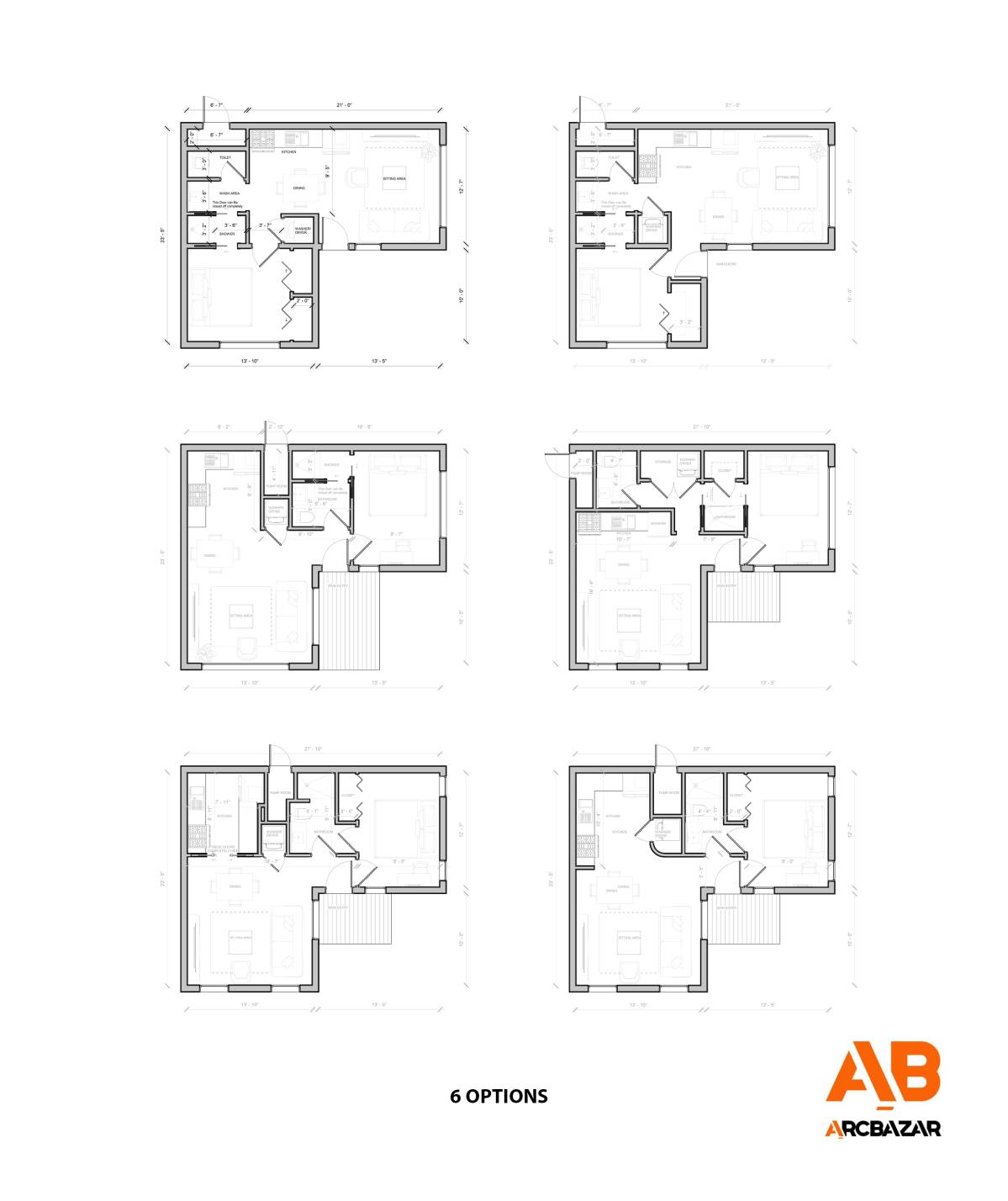
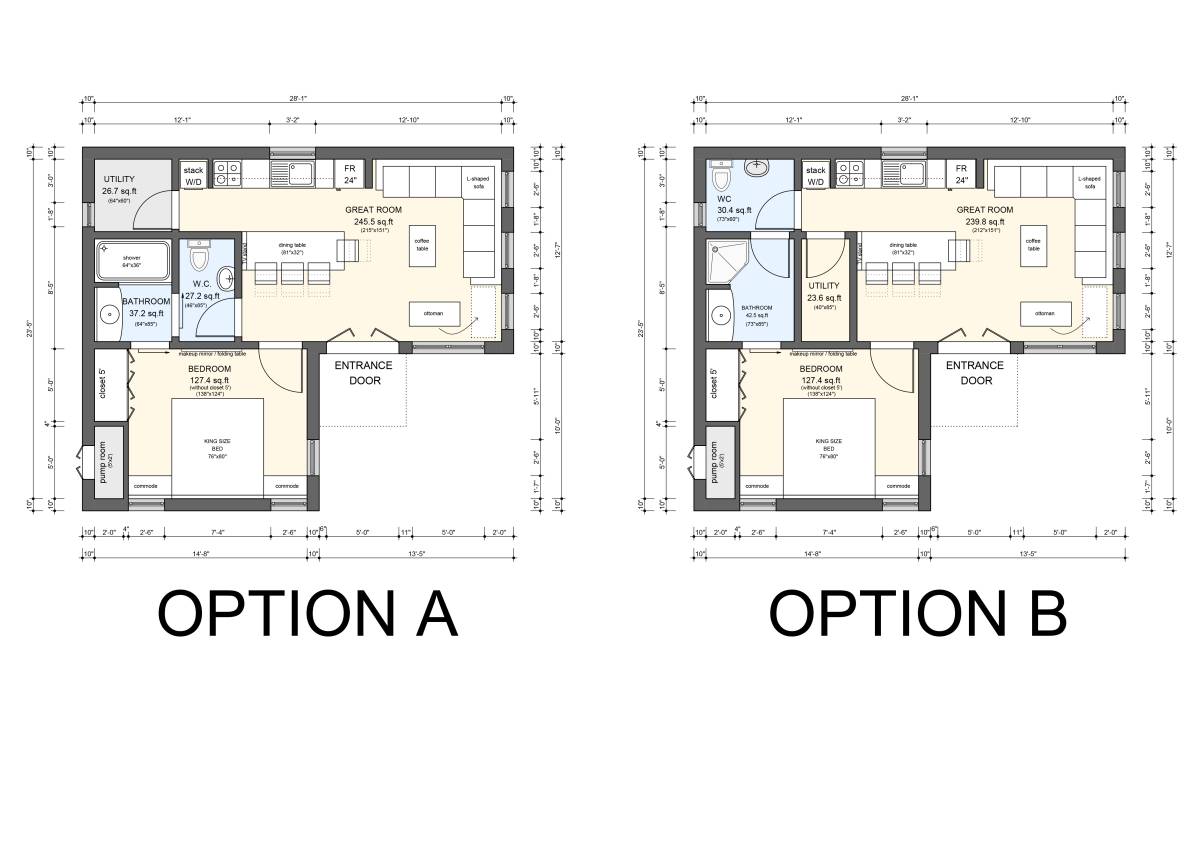
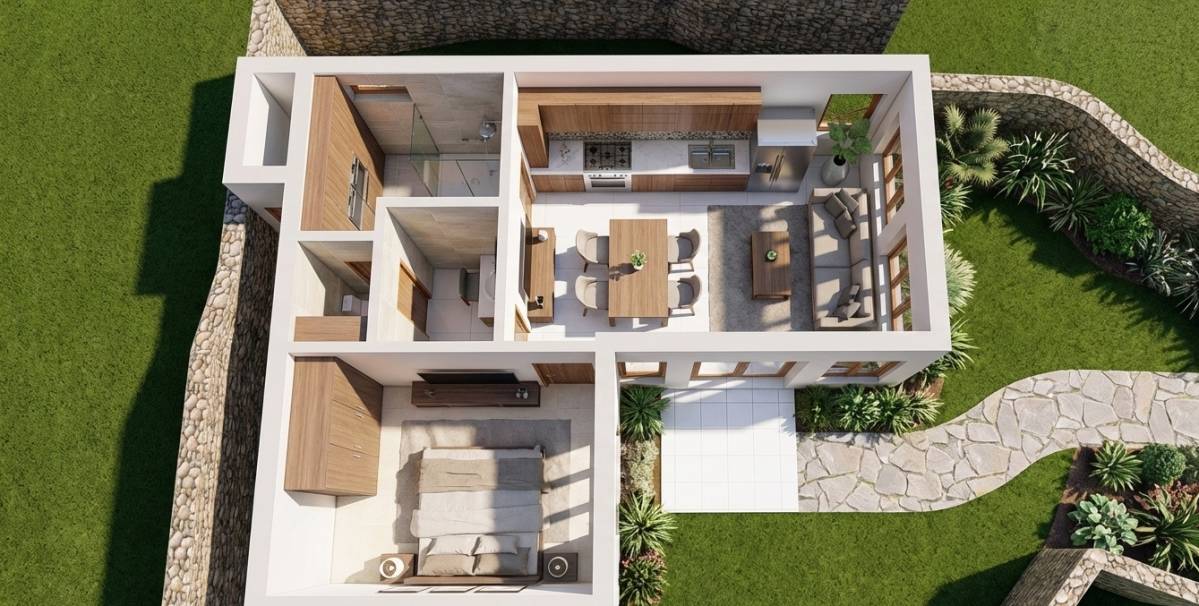
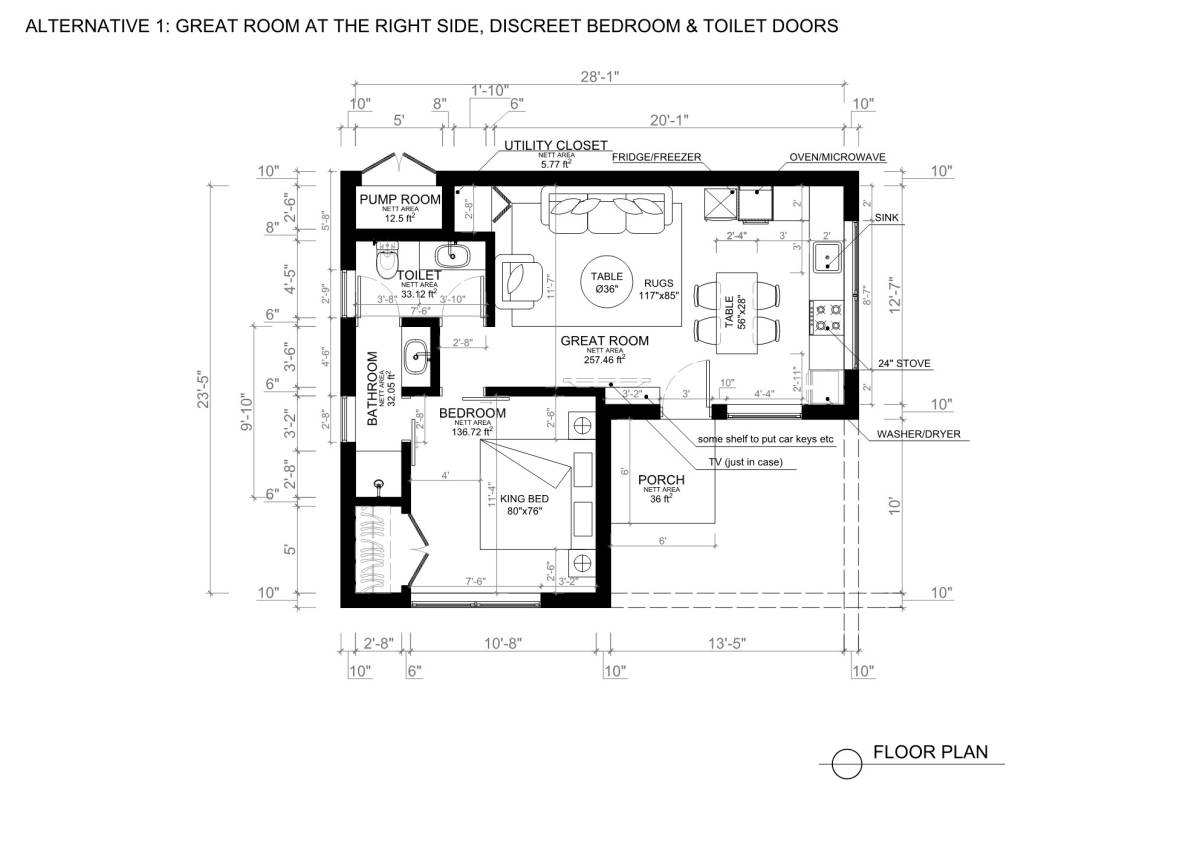
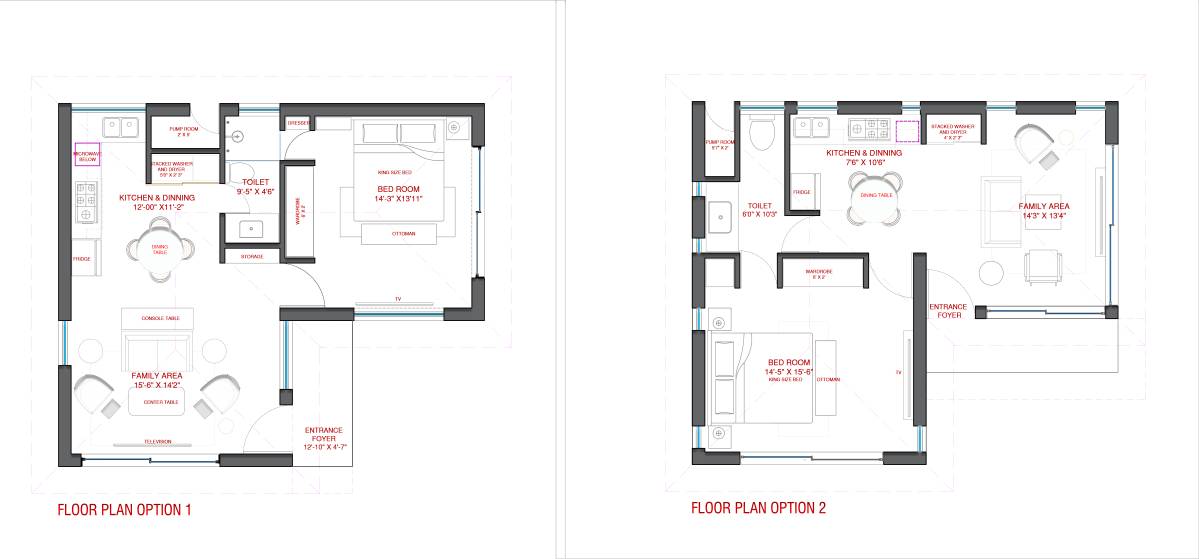
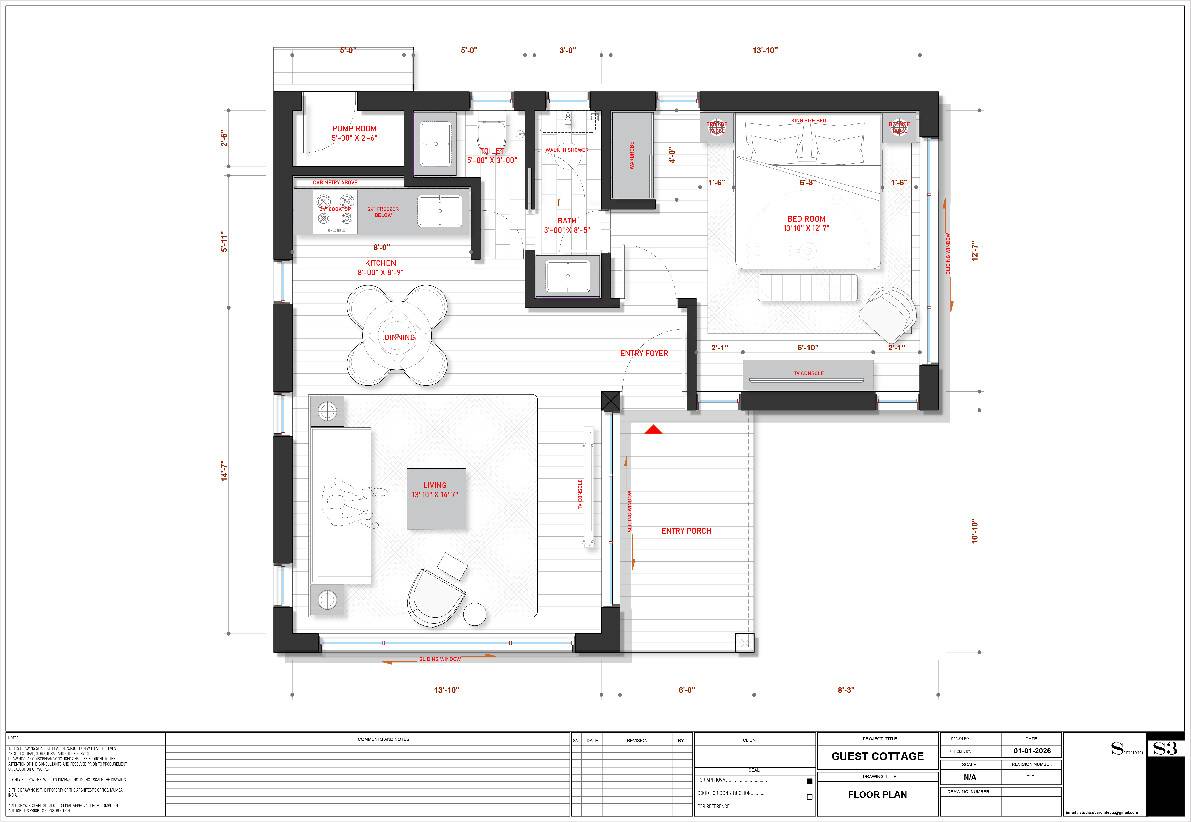
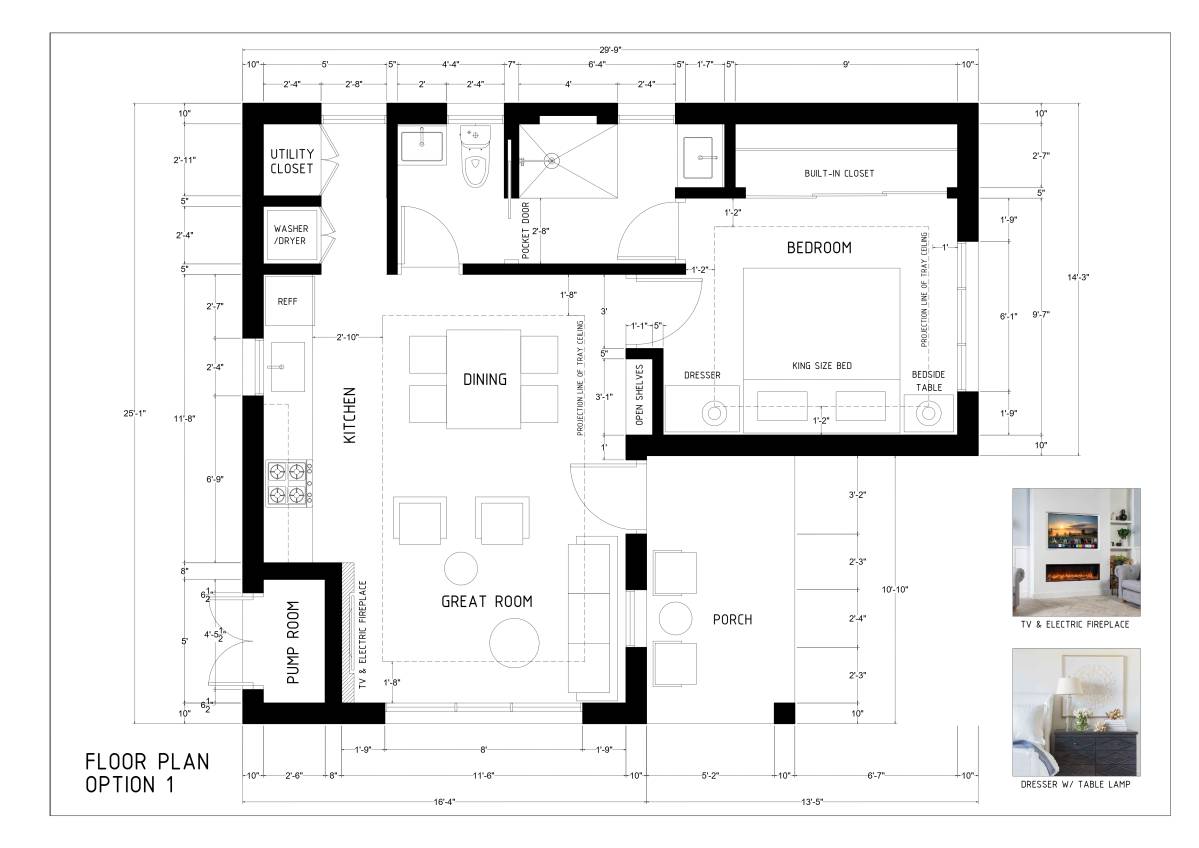
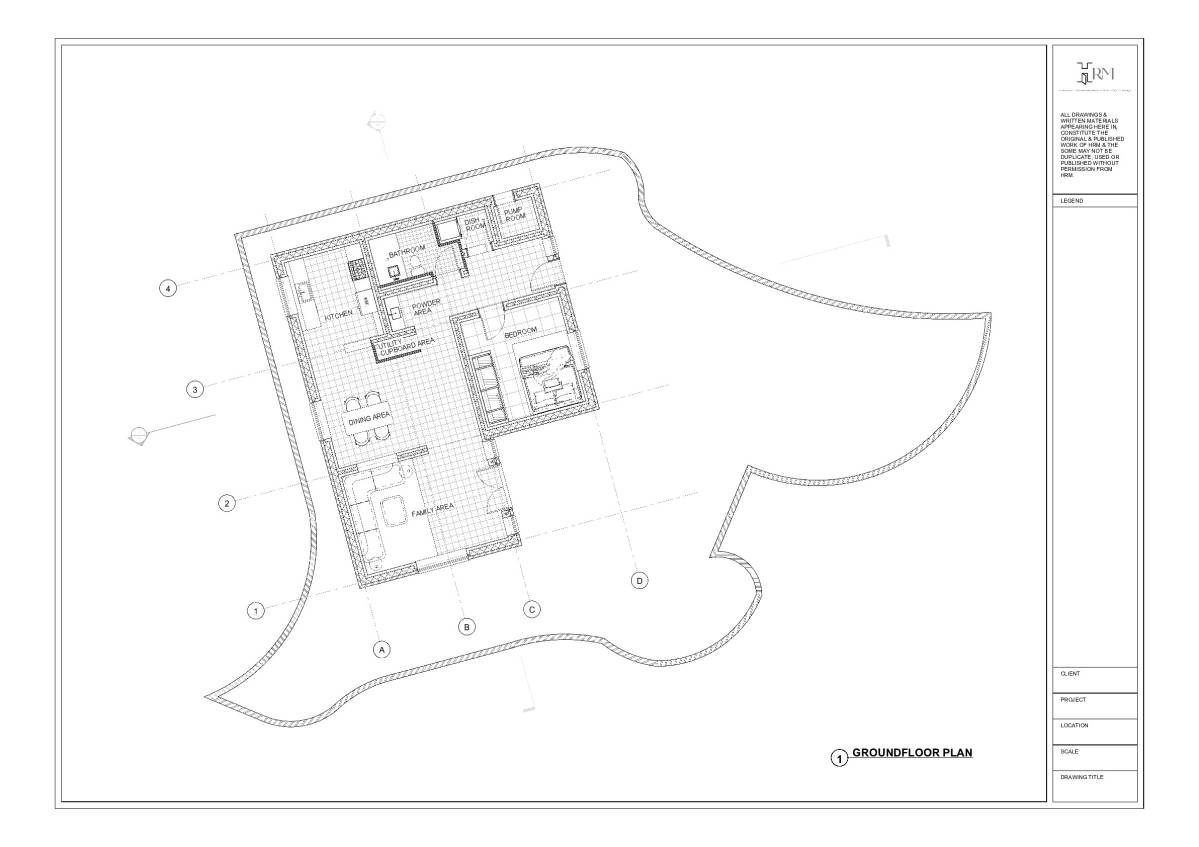
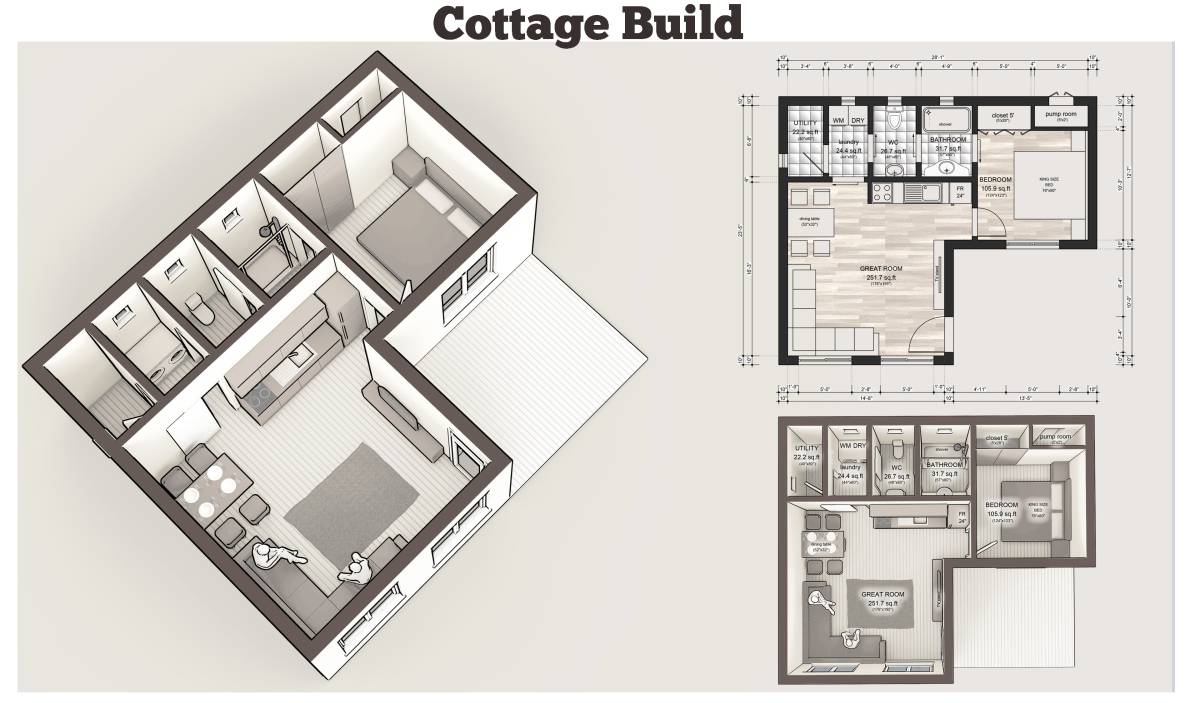
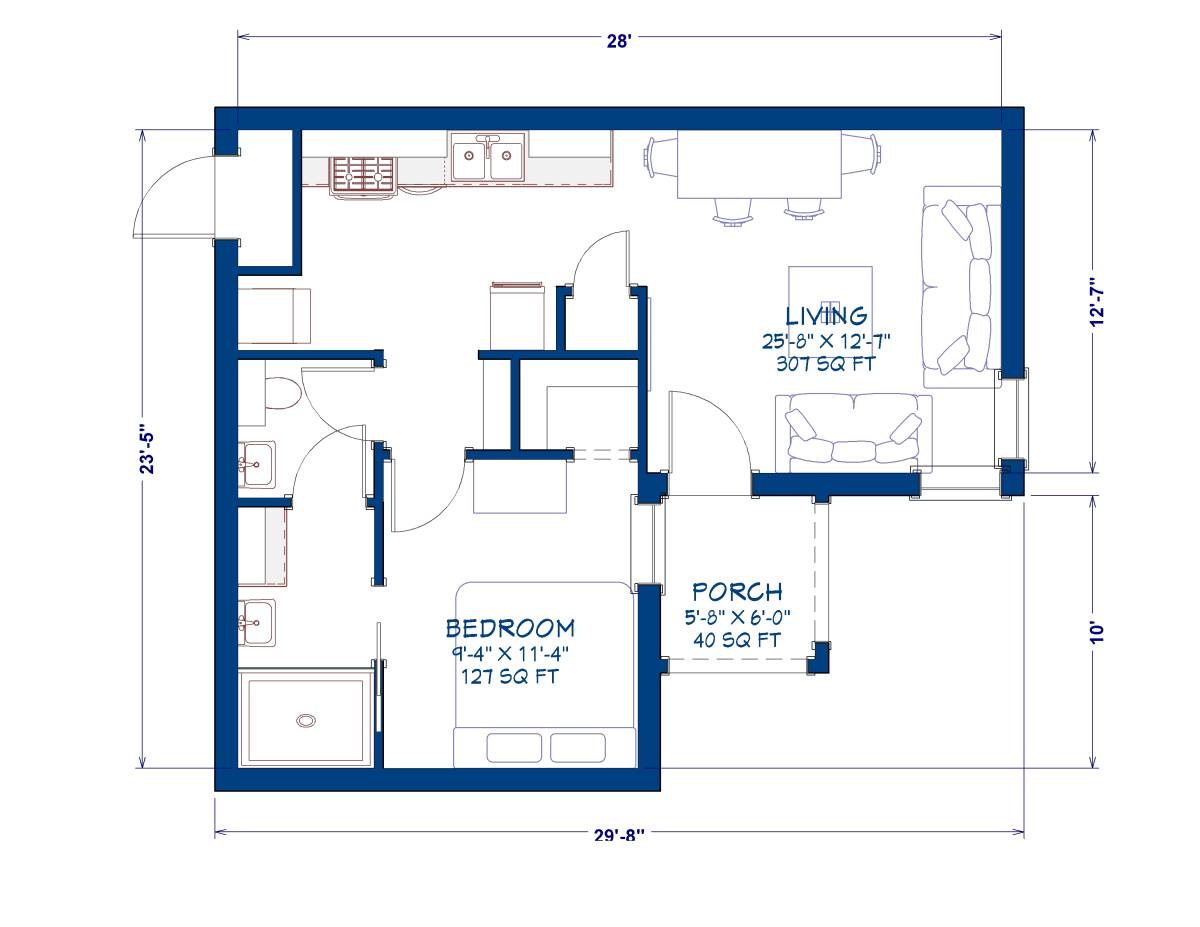
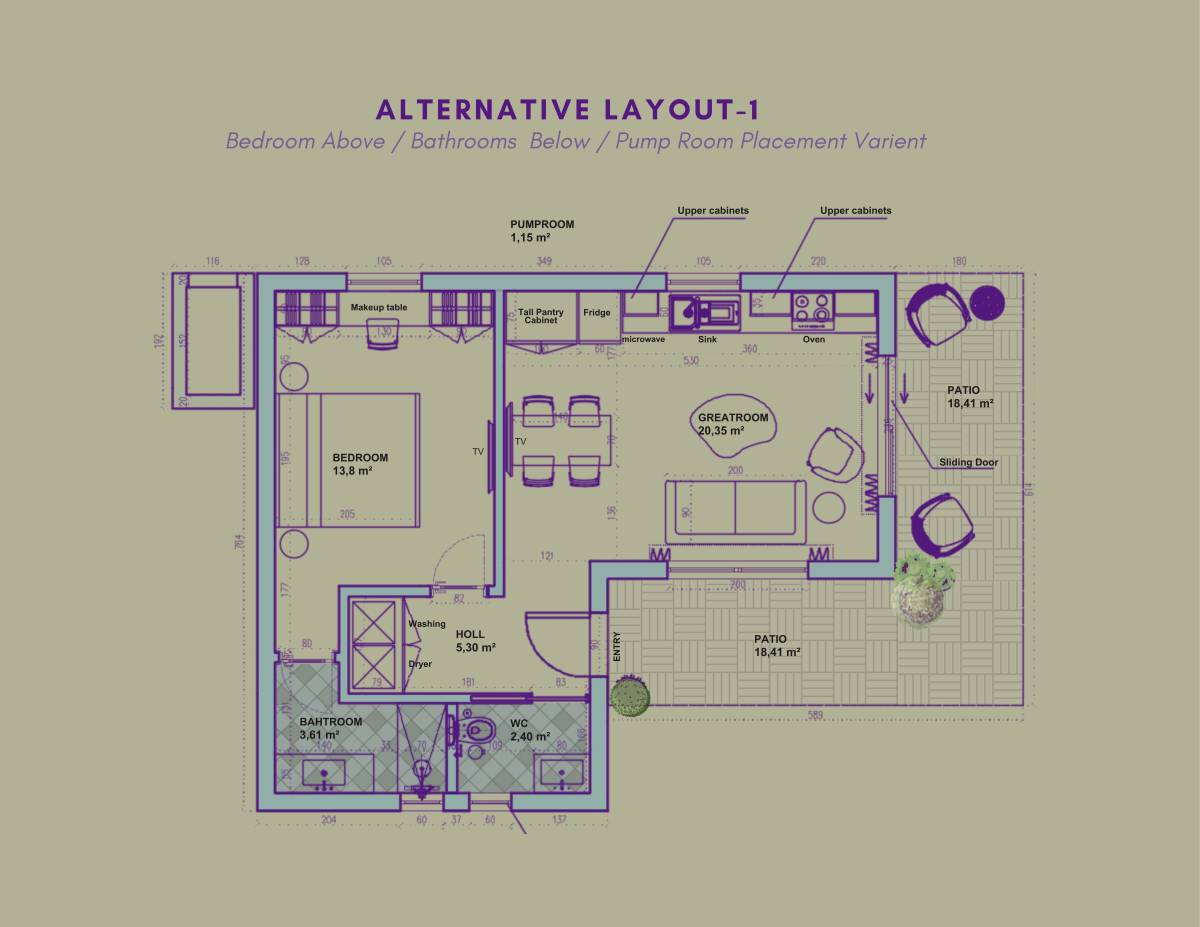
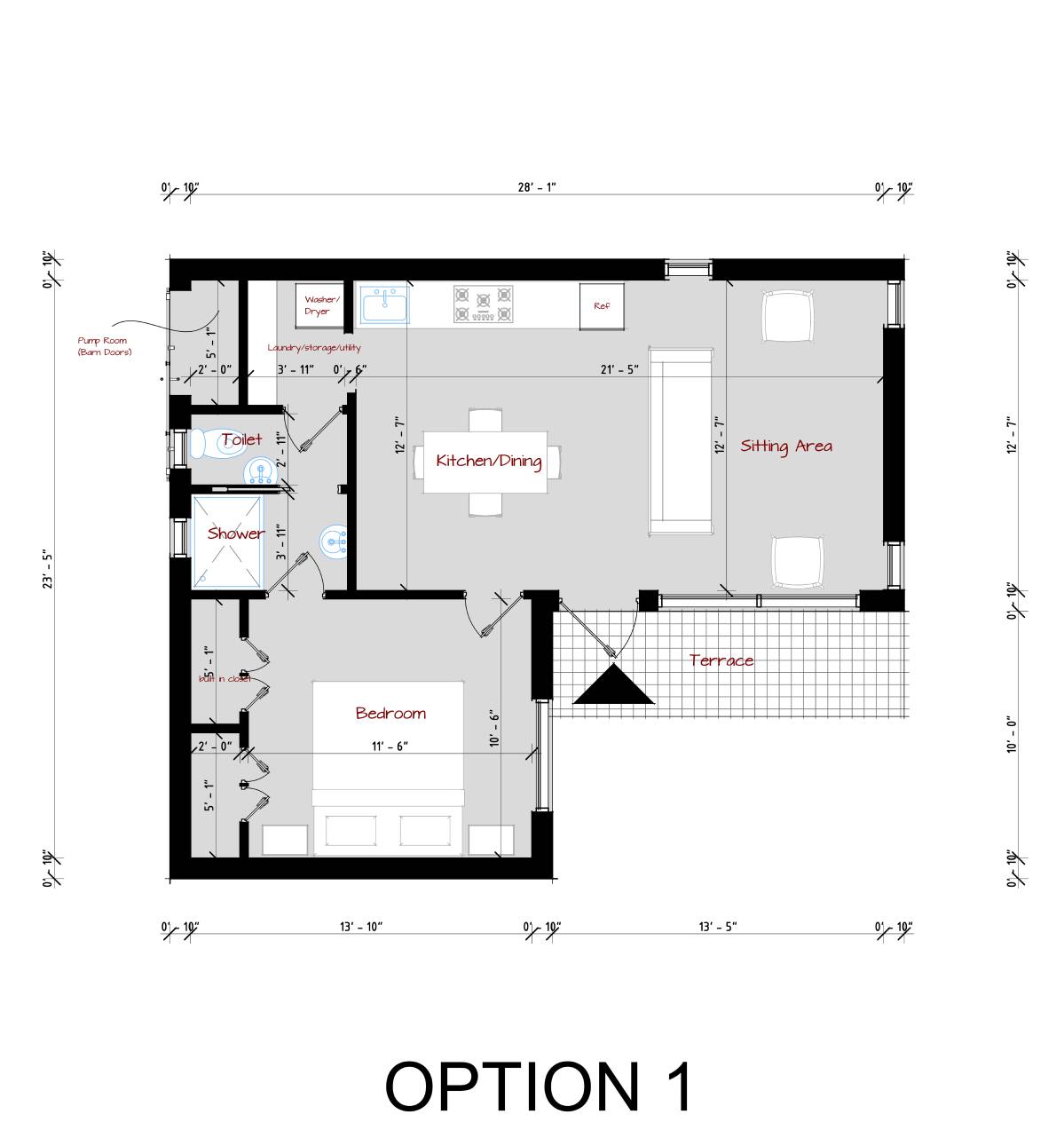
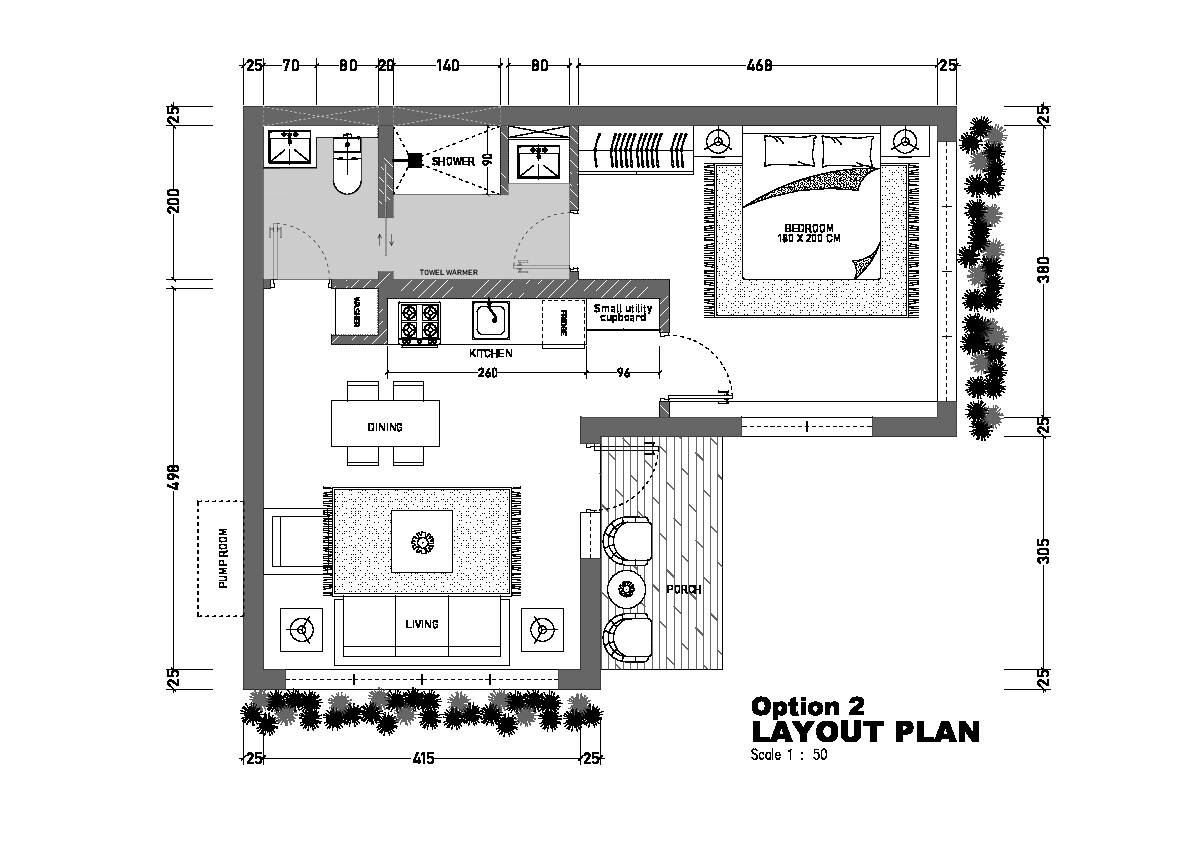
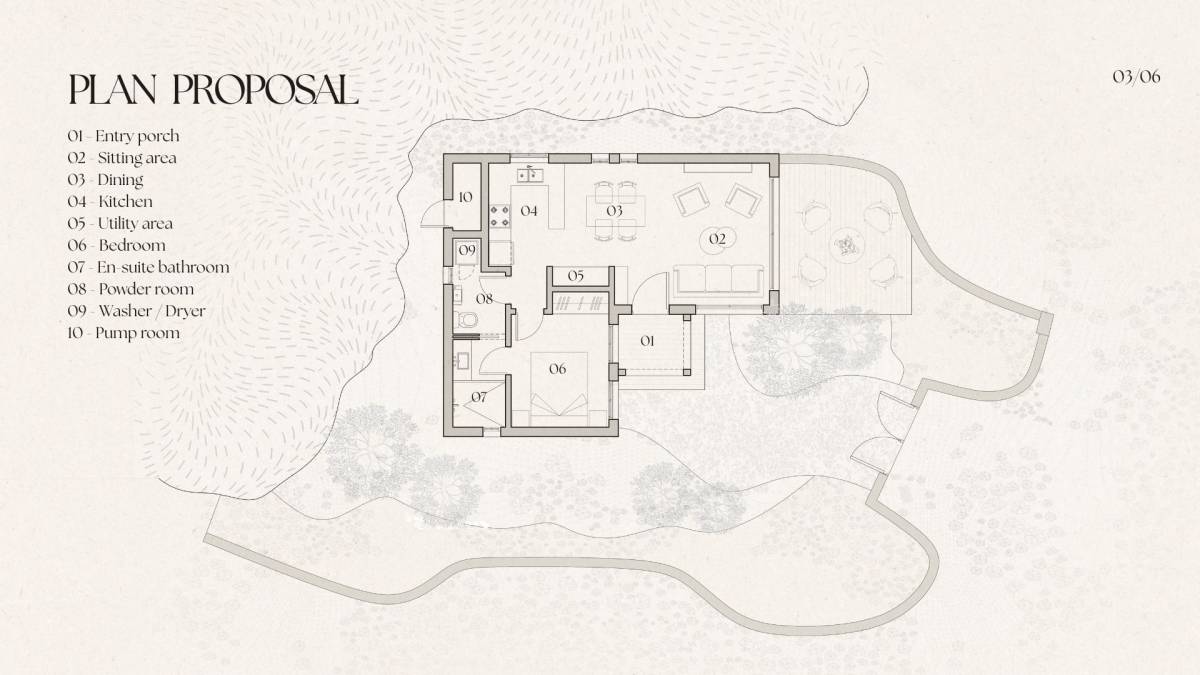
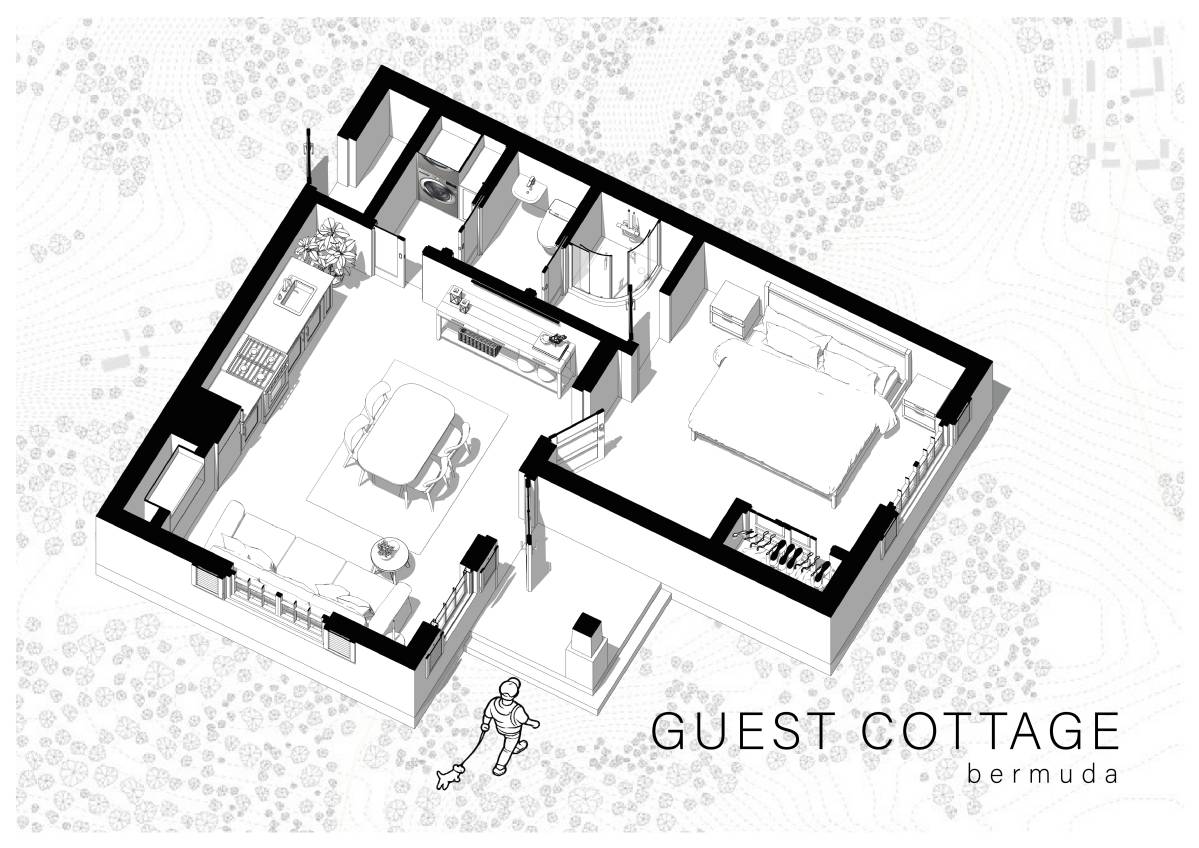
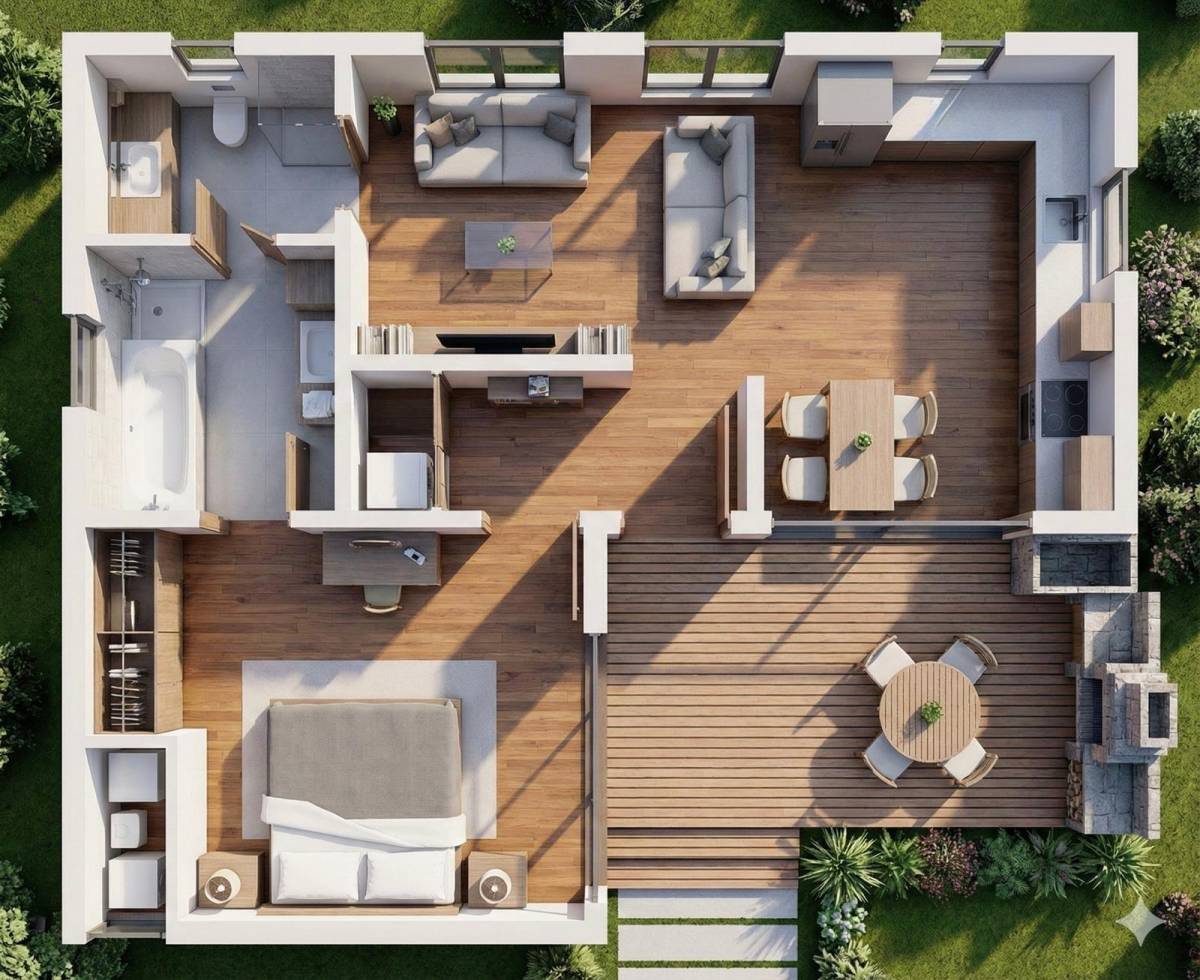
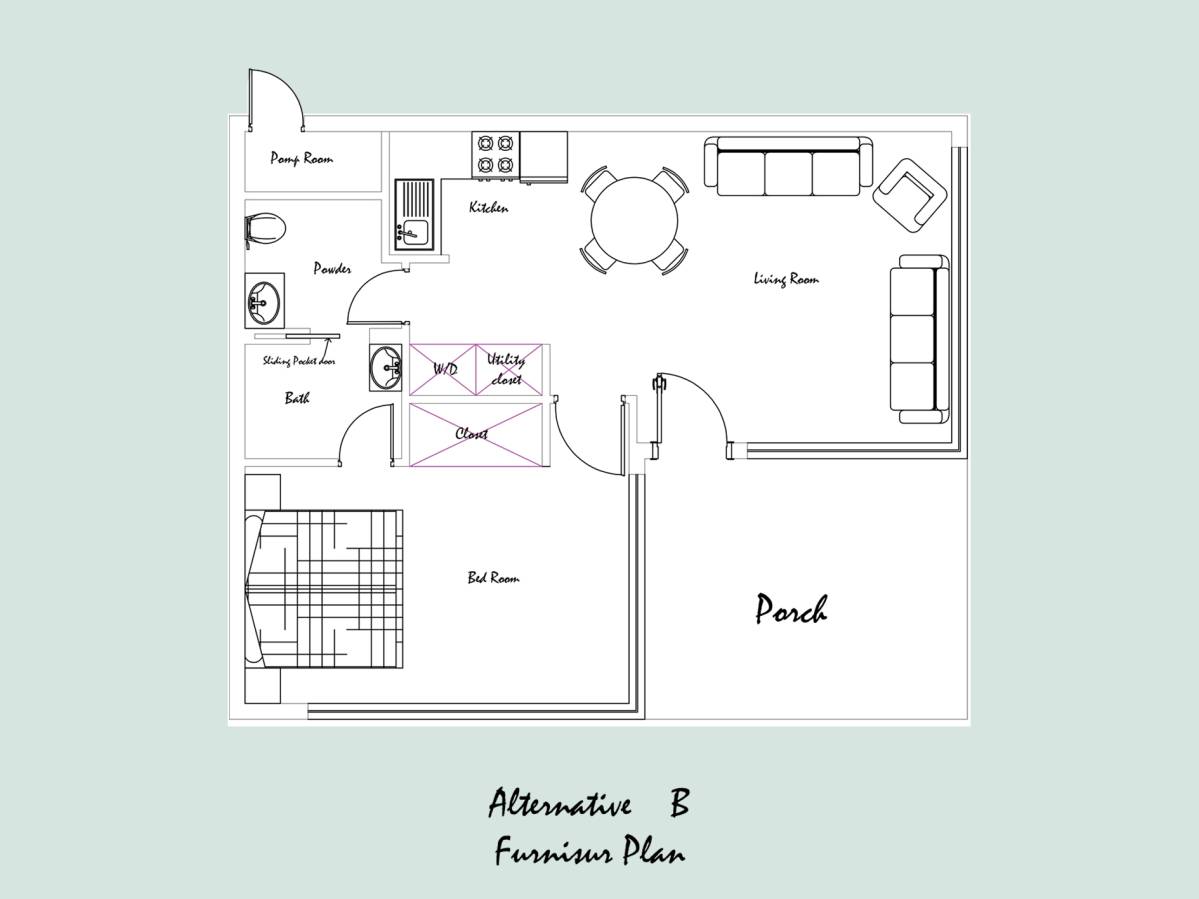
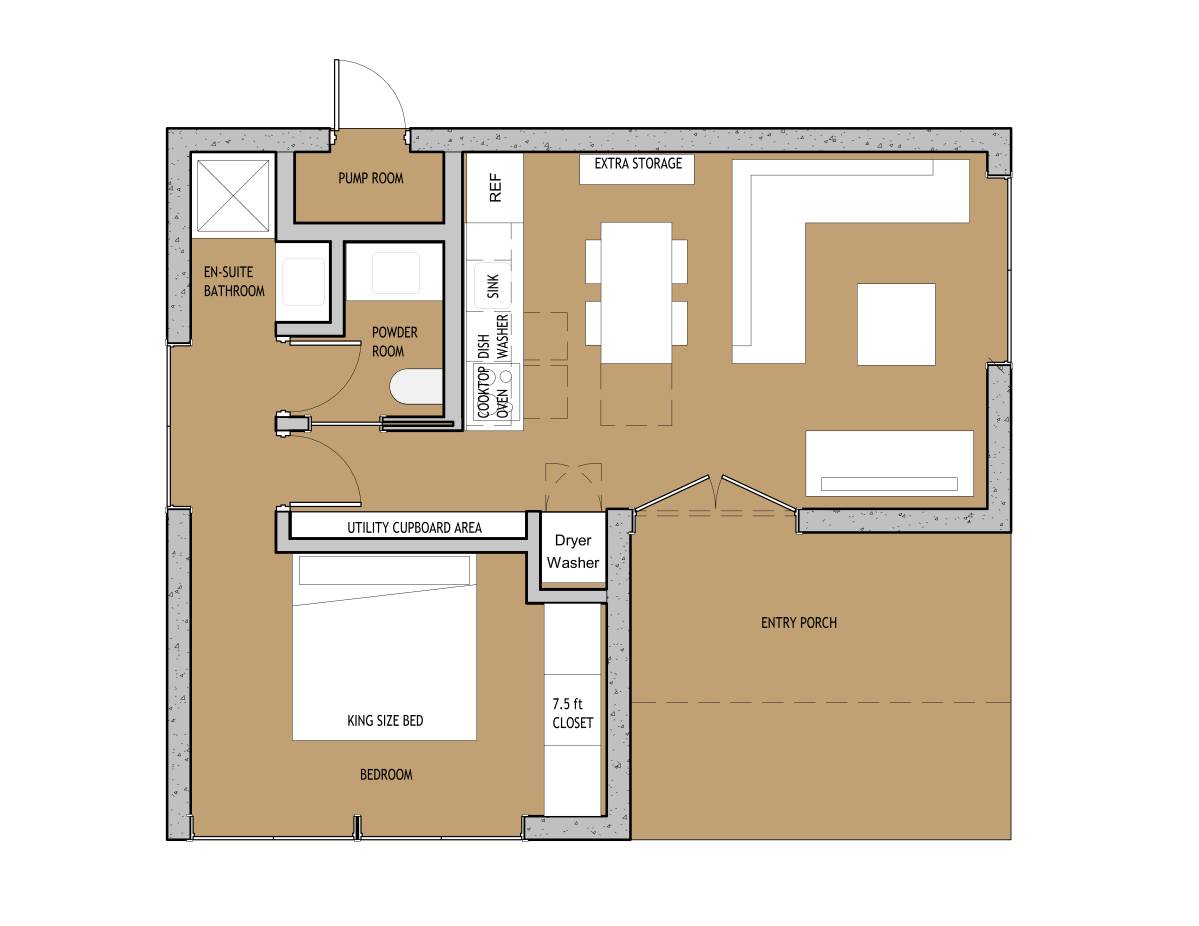
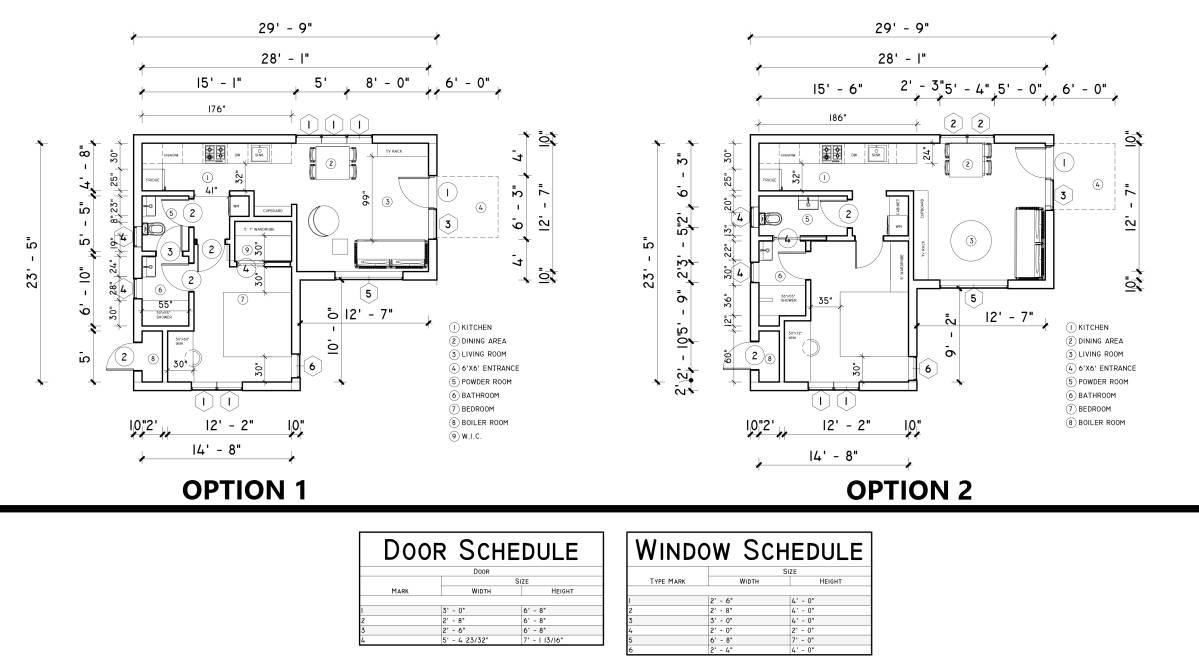
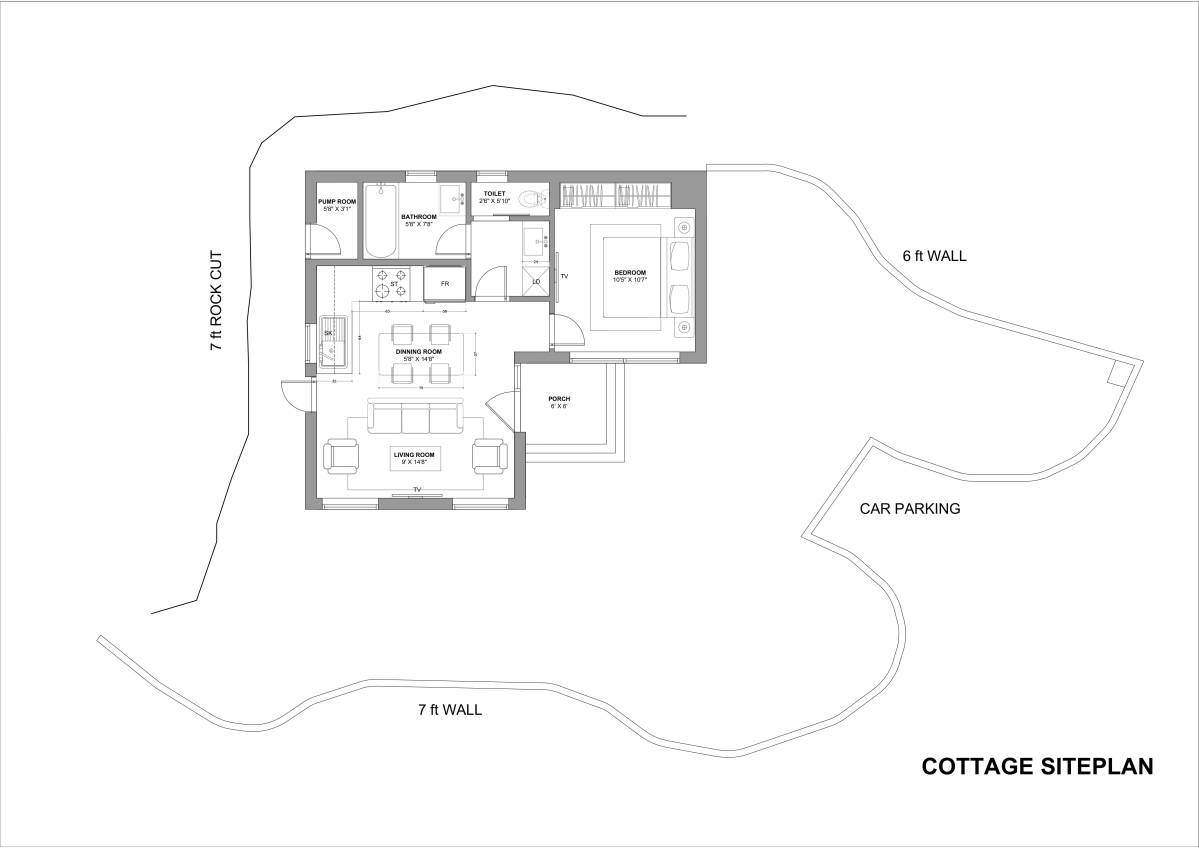
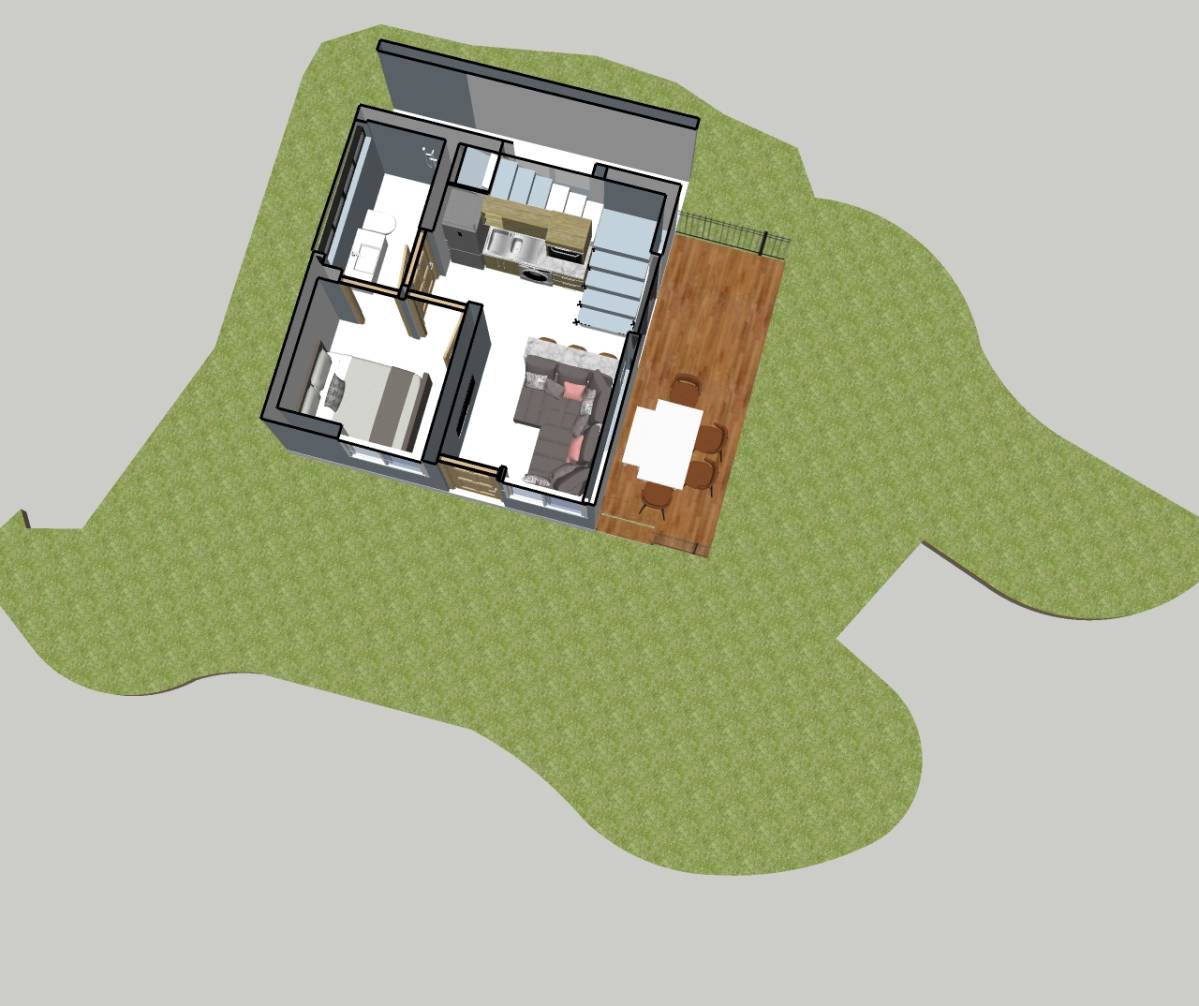
The project is a one-bedroom guest cottage designed for owners who value clarity, comfort, and a strong relationship with place. Conceived as a quiet retreat rather than a standalone feature, the cottage is positioned behind the main home and built entirely within an existing, non-negotiable footprint. This constraint became an opportunity to design with precision rather than excess.
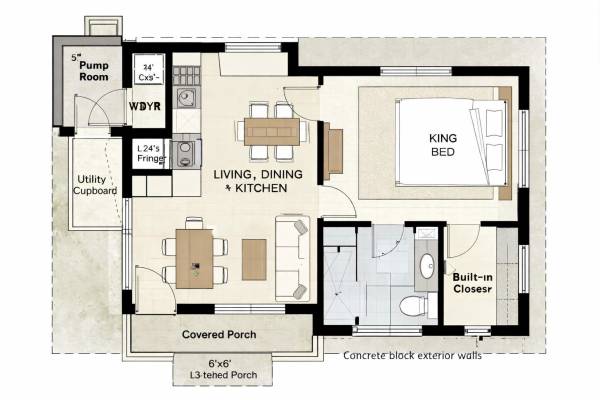
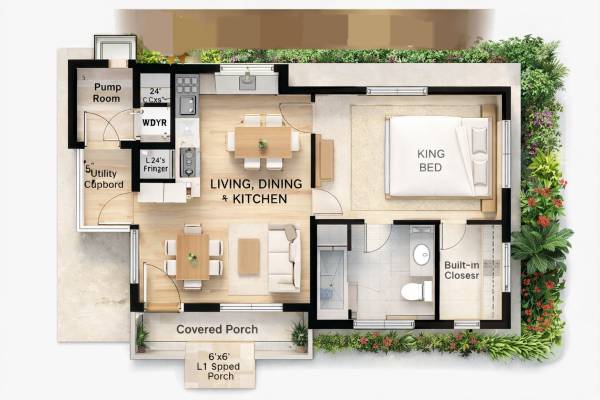
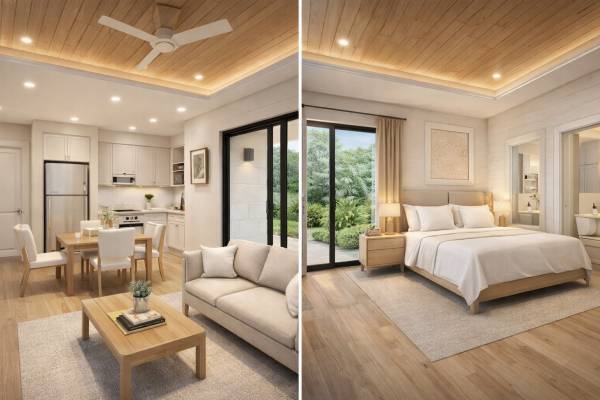
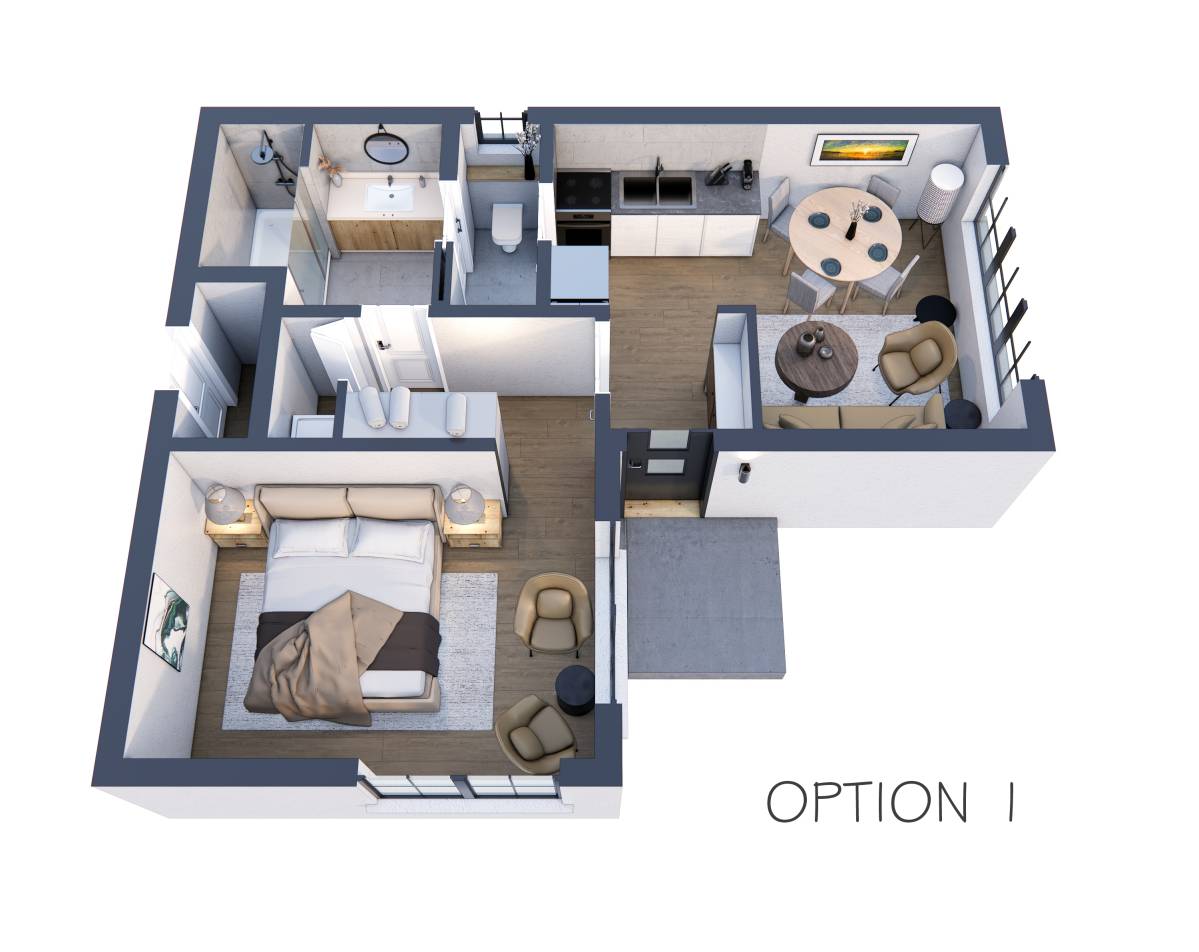
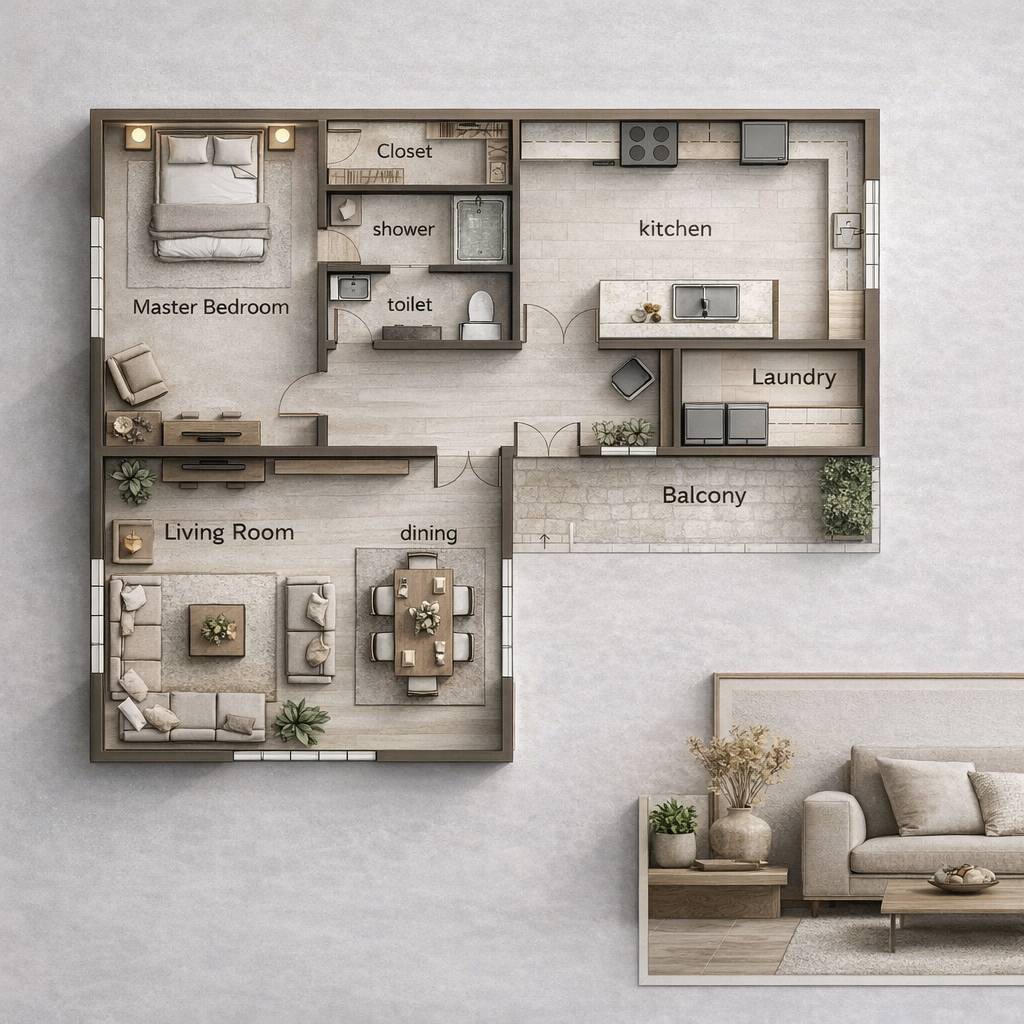
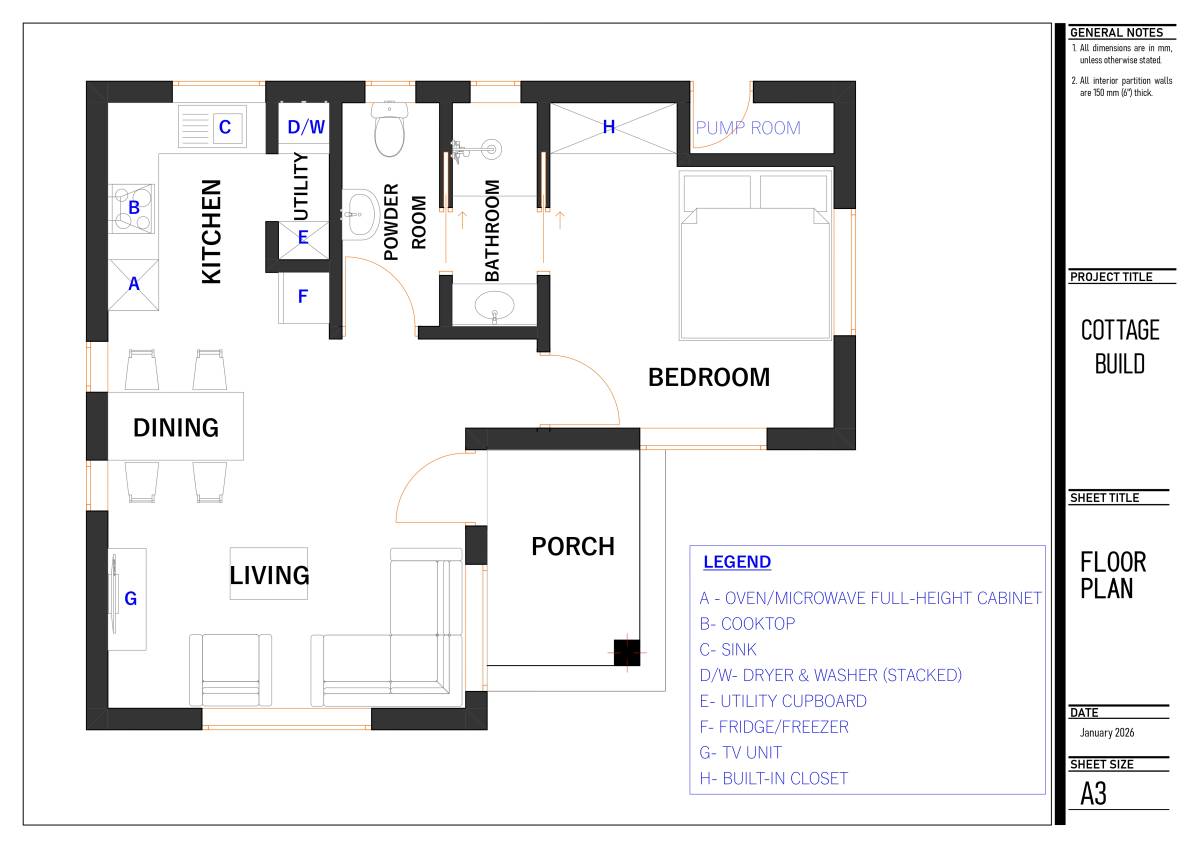
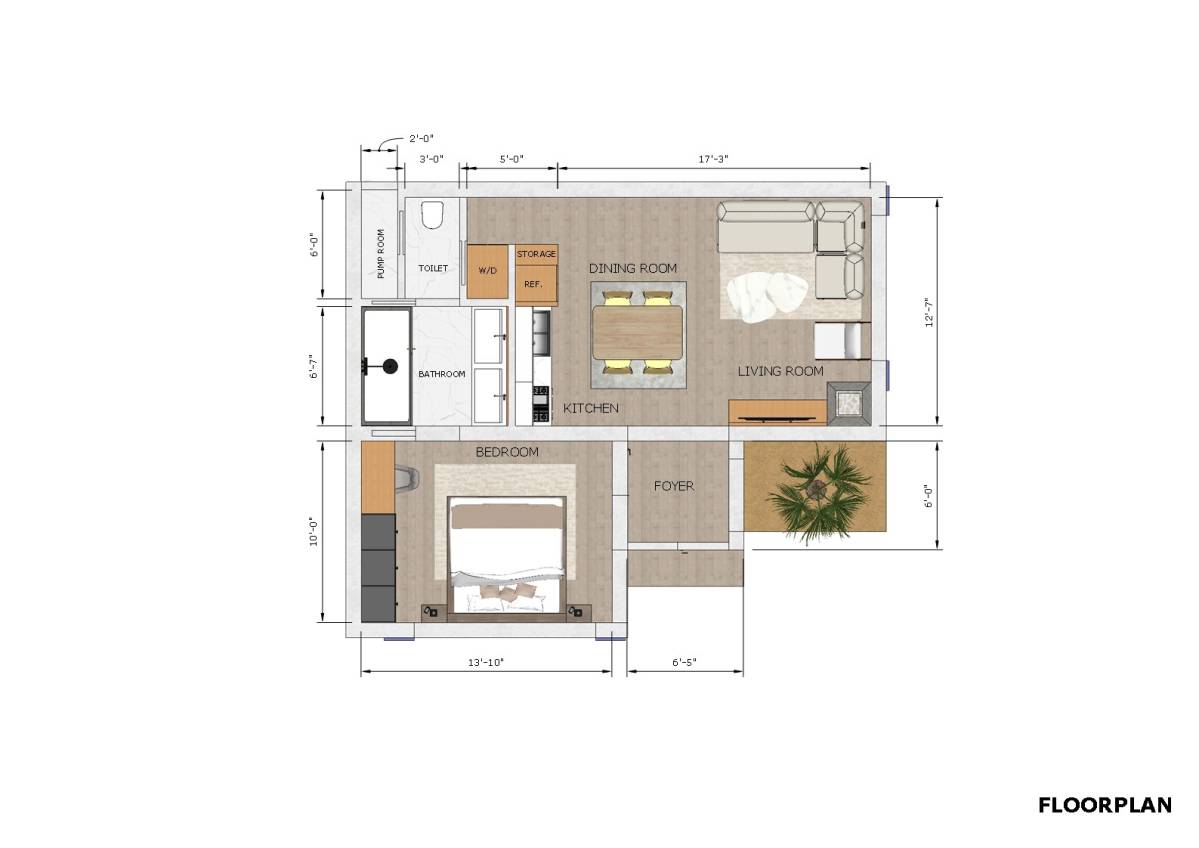
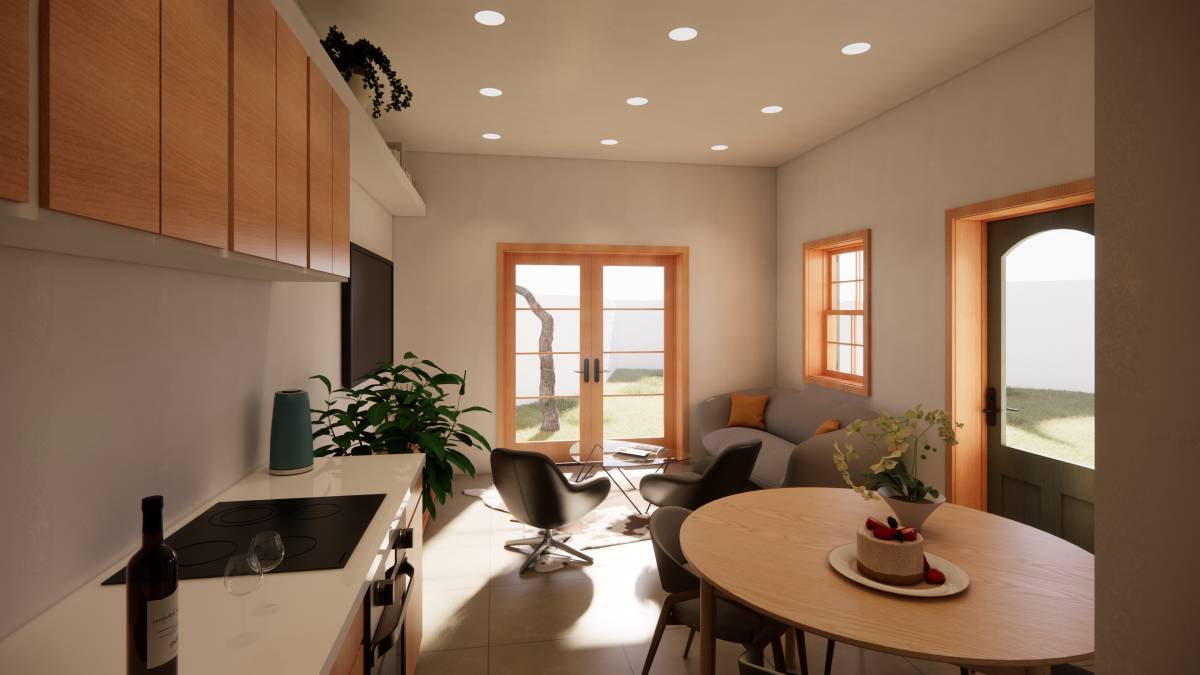
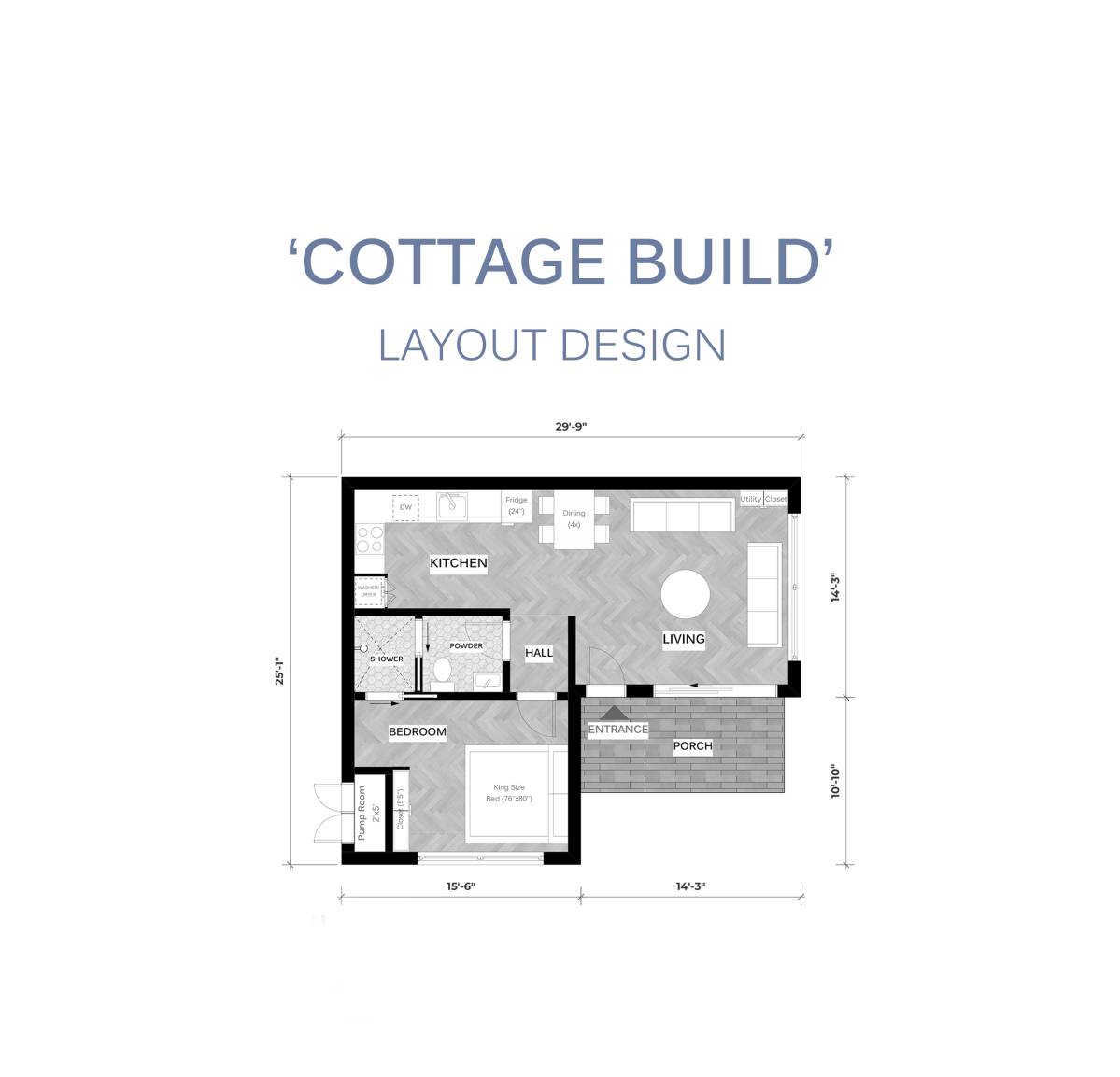
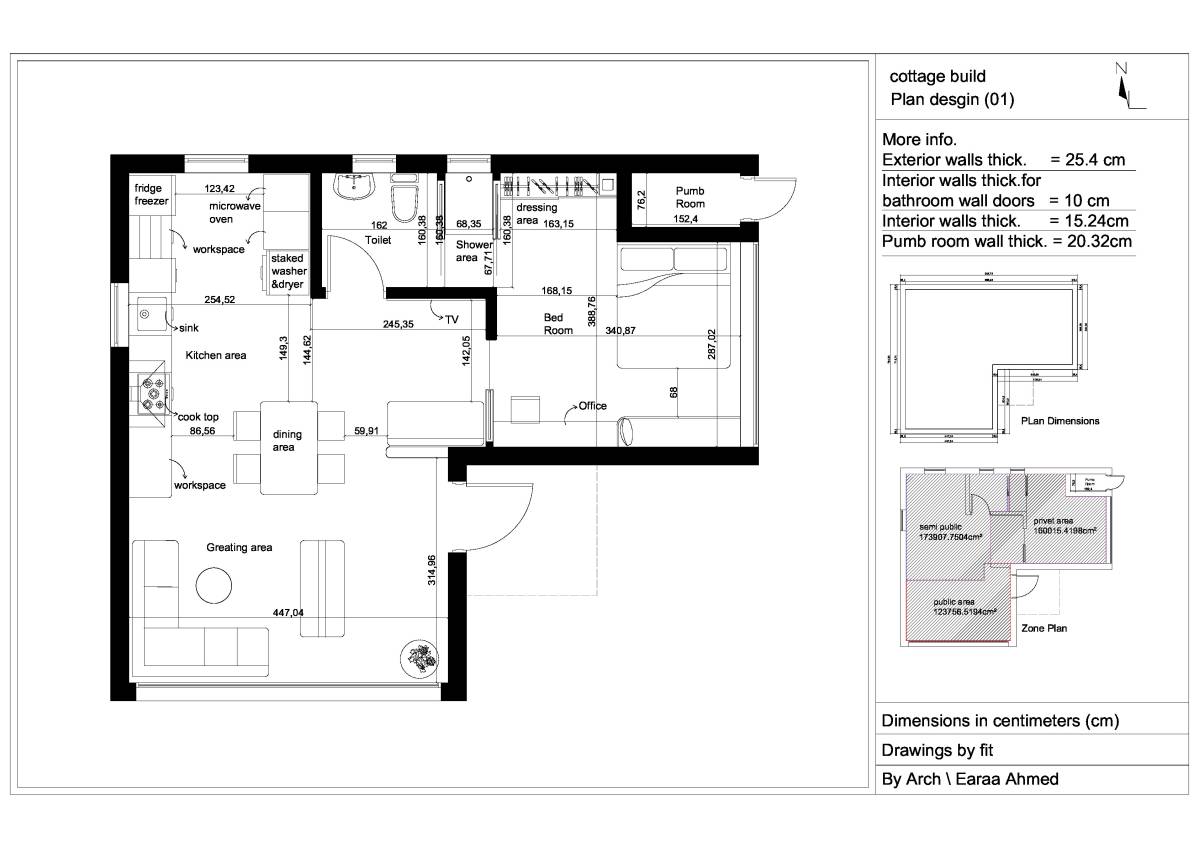
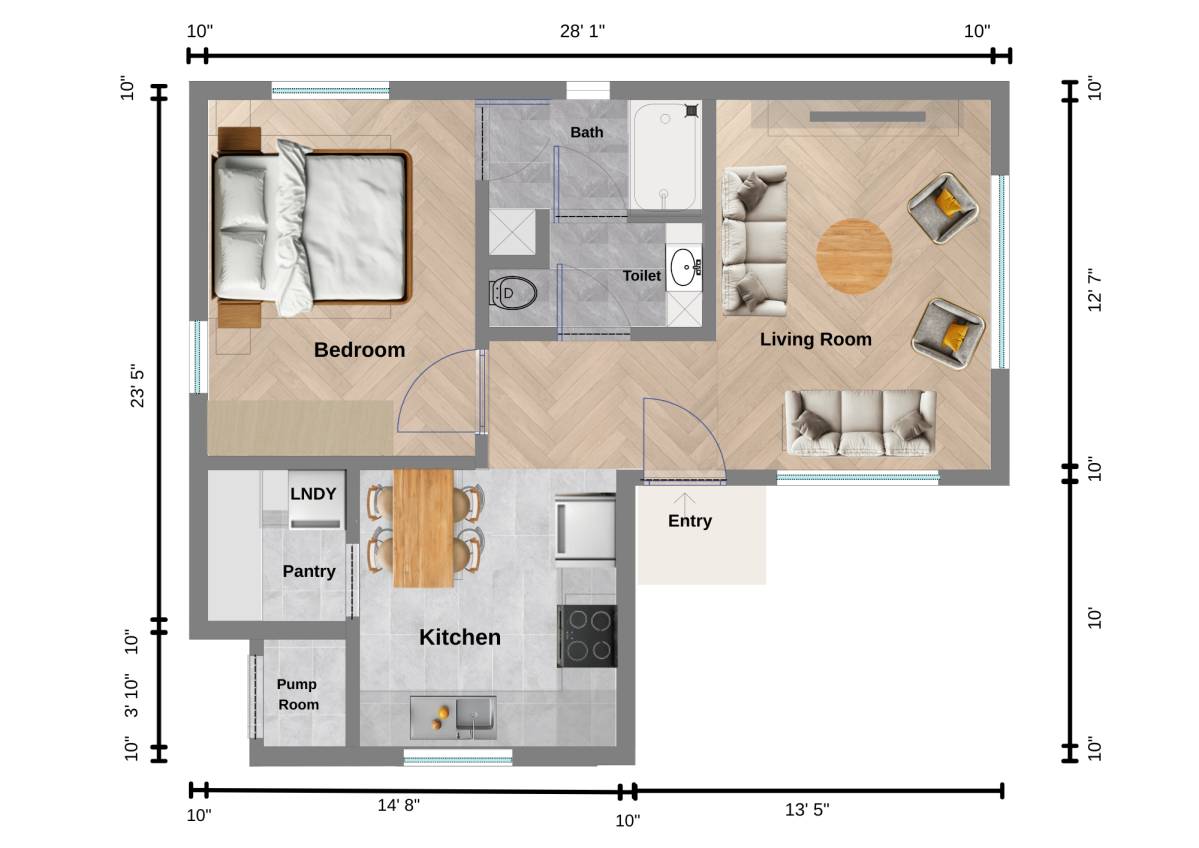
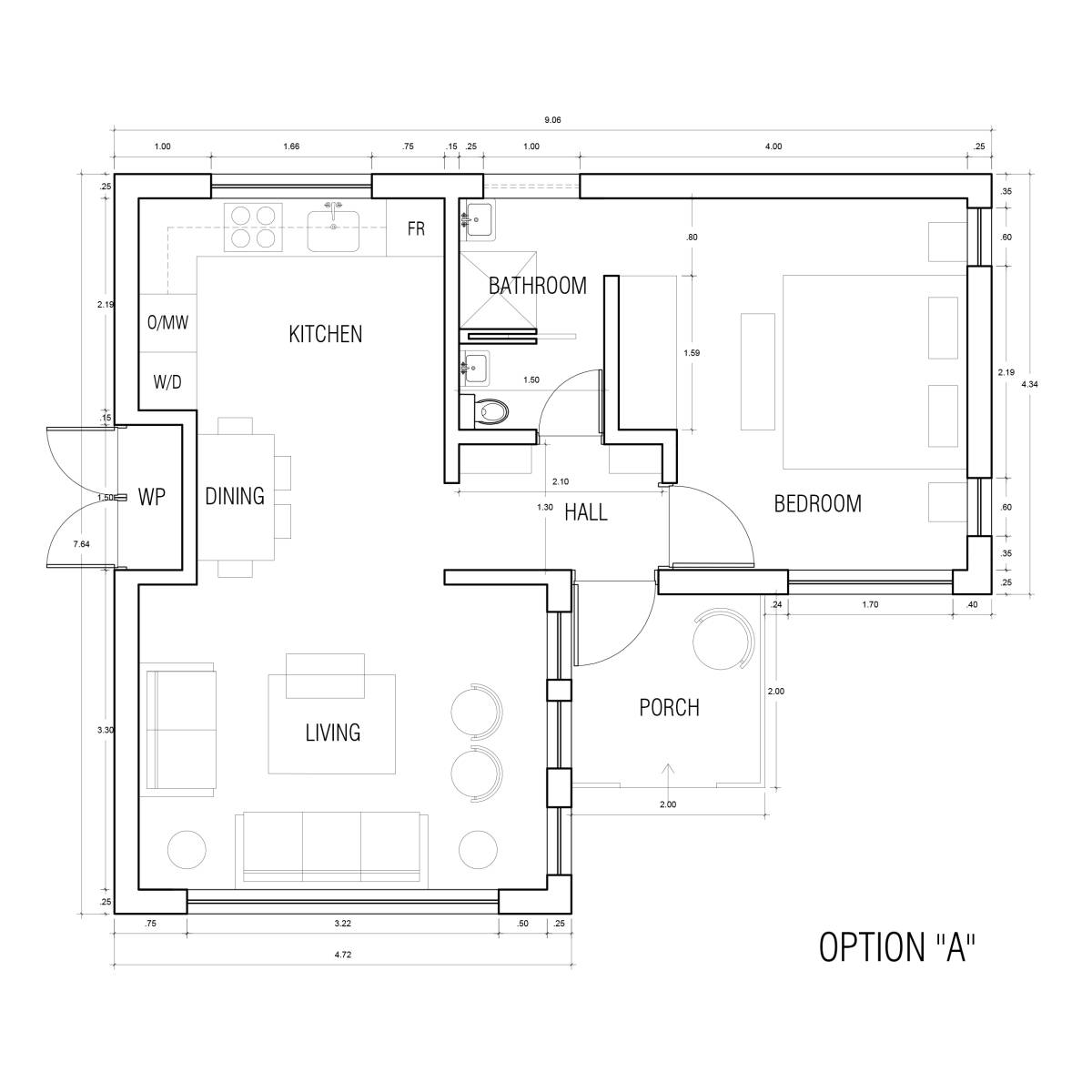
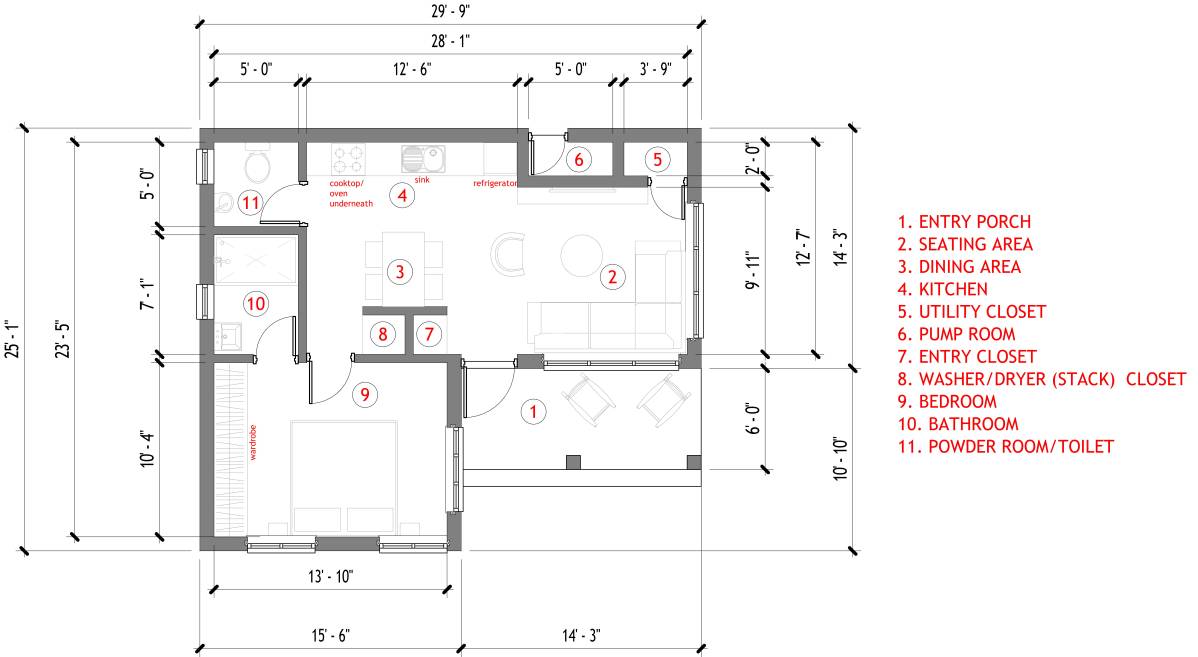
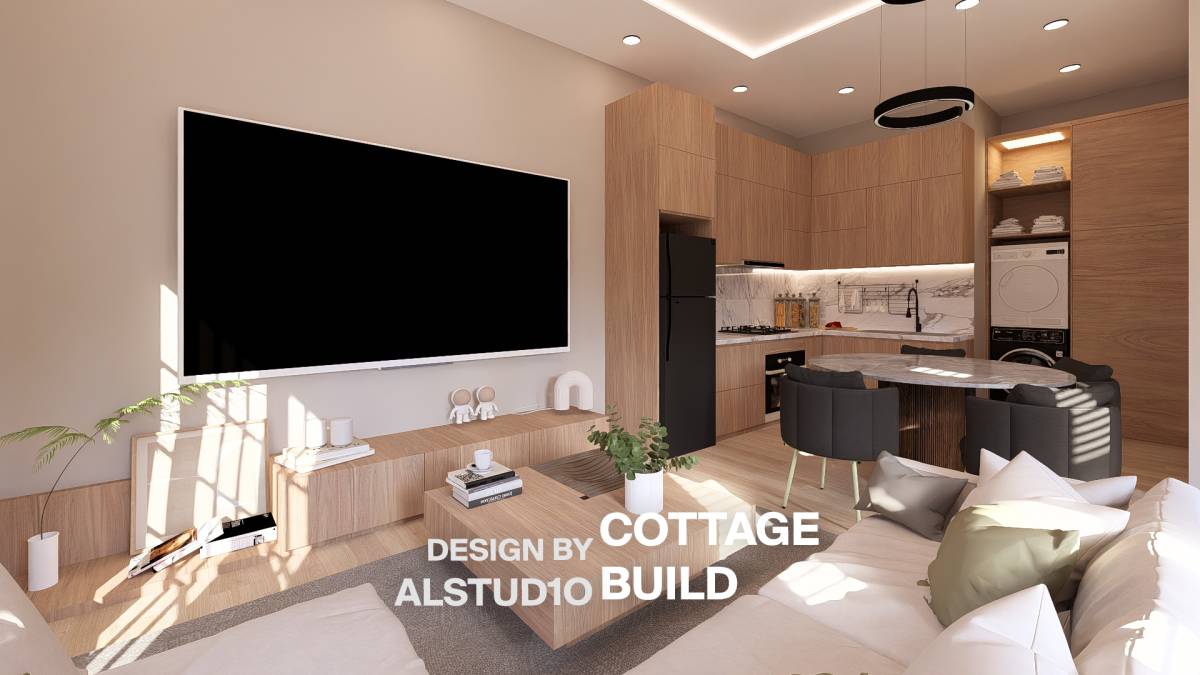
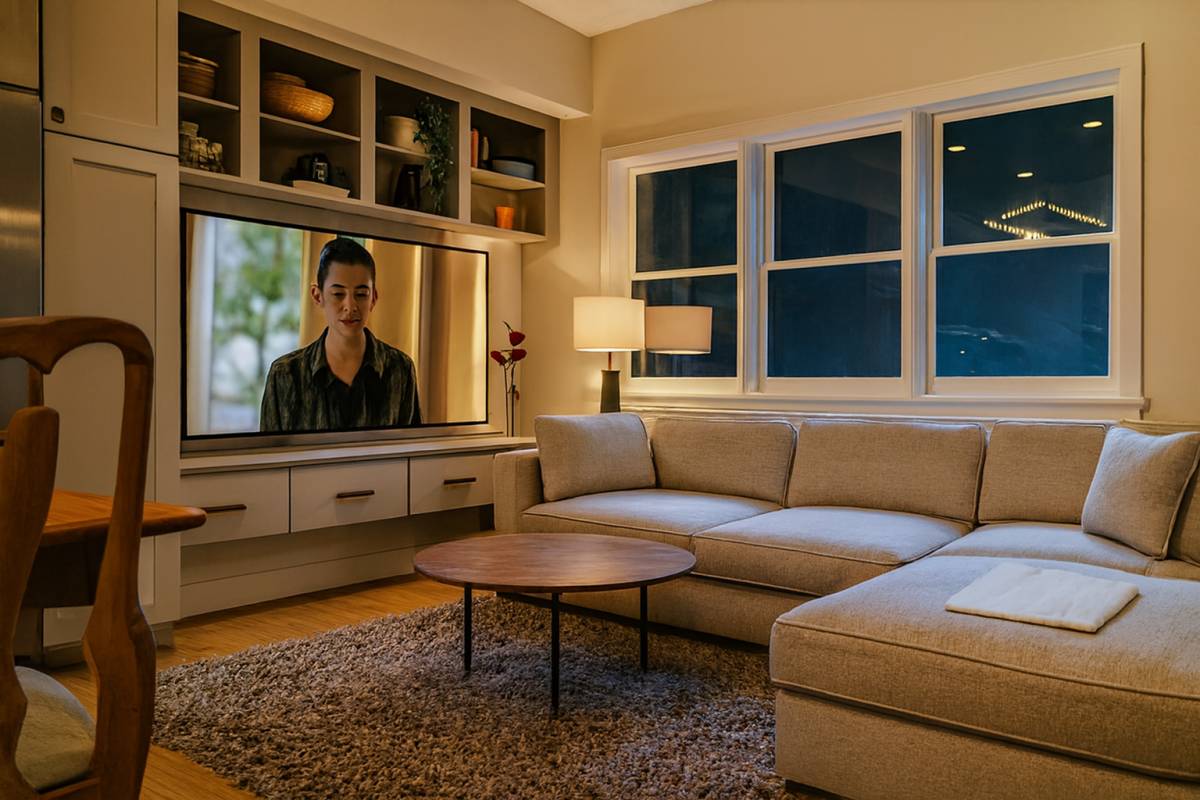
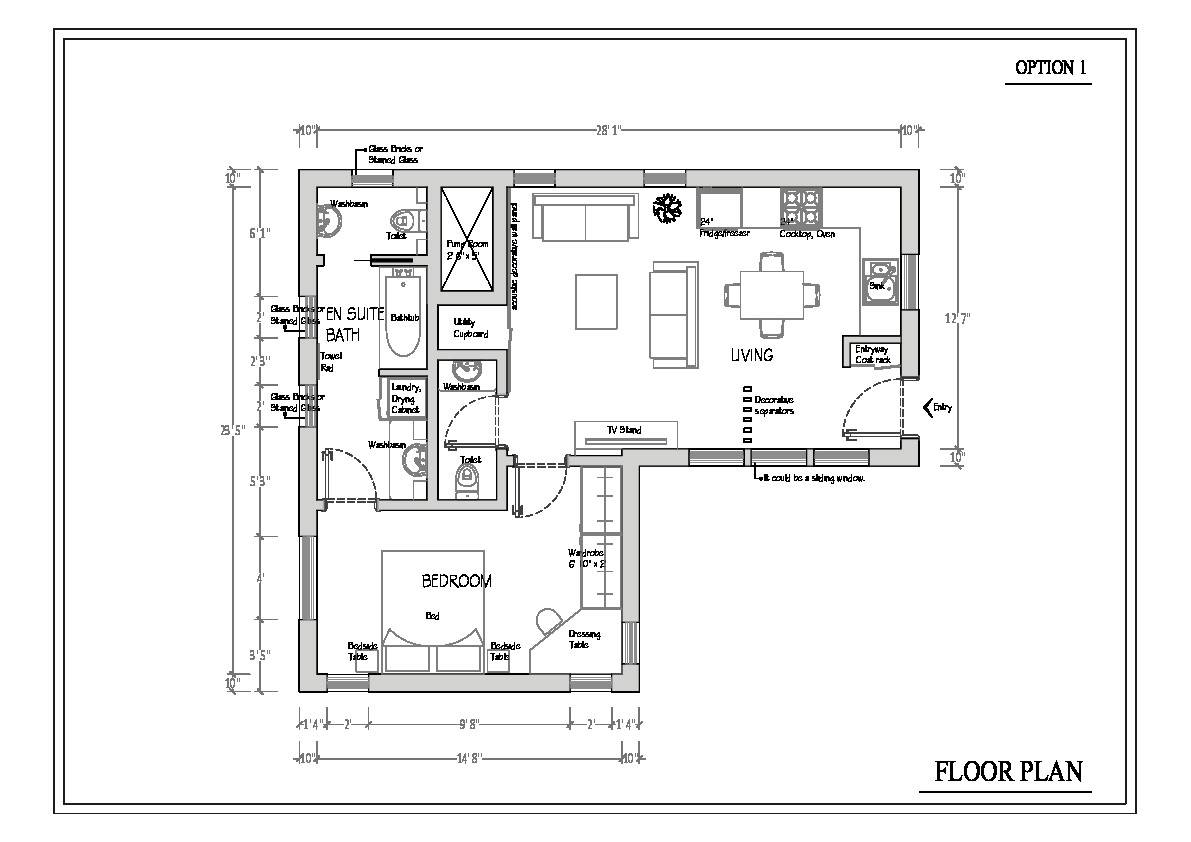
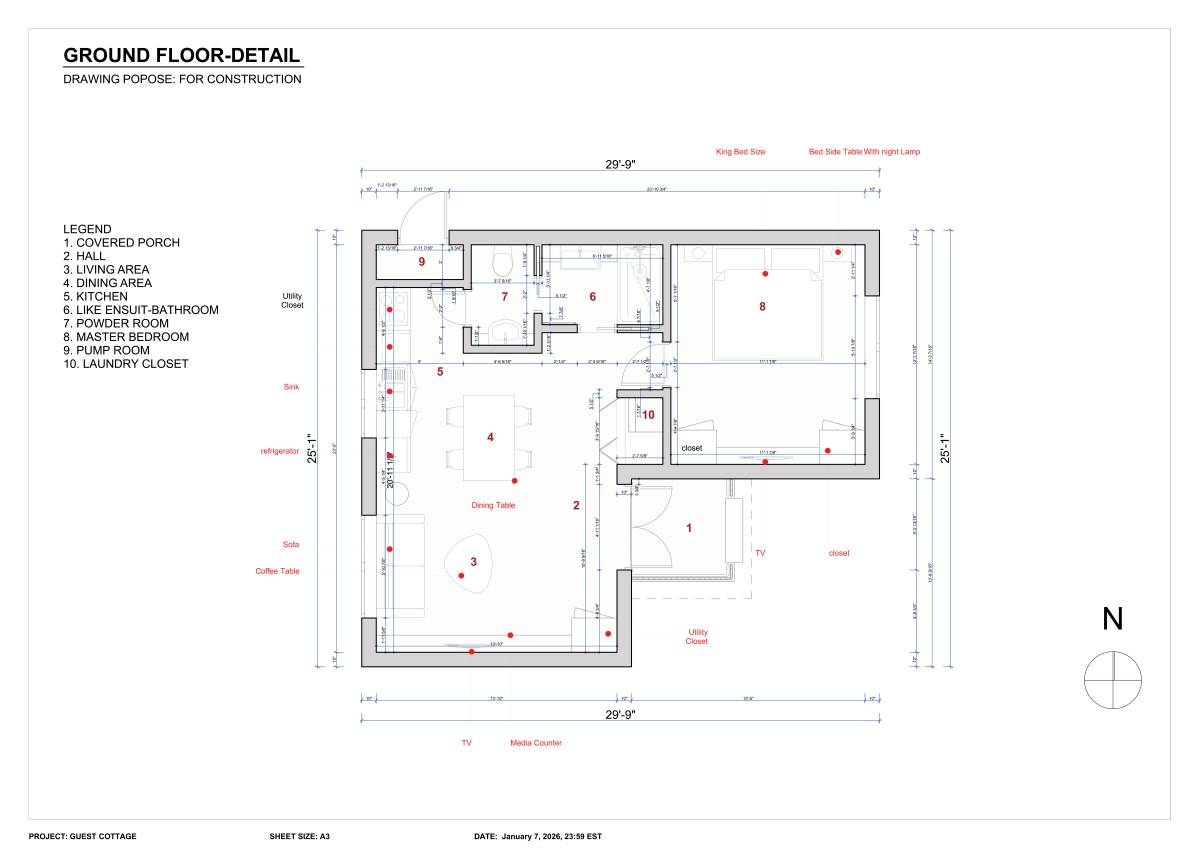
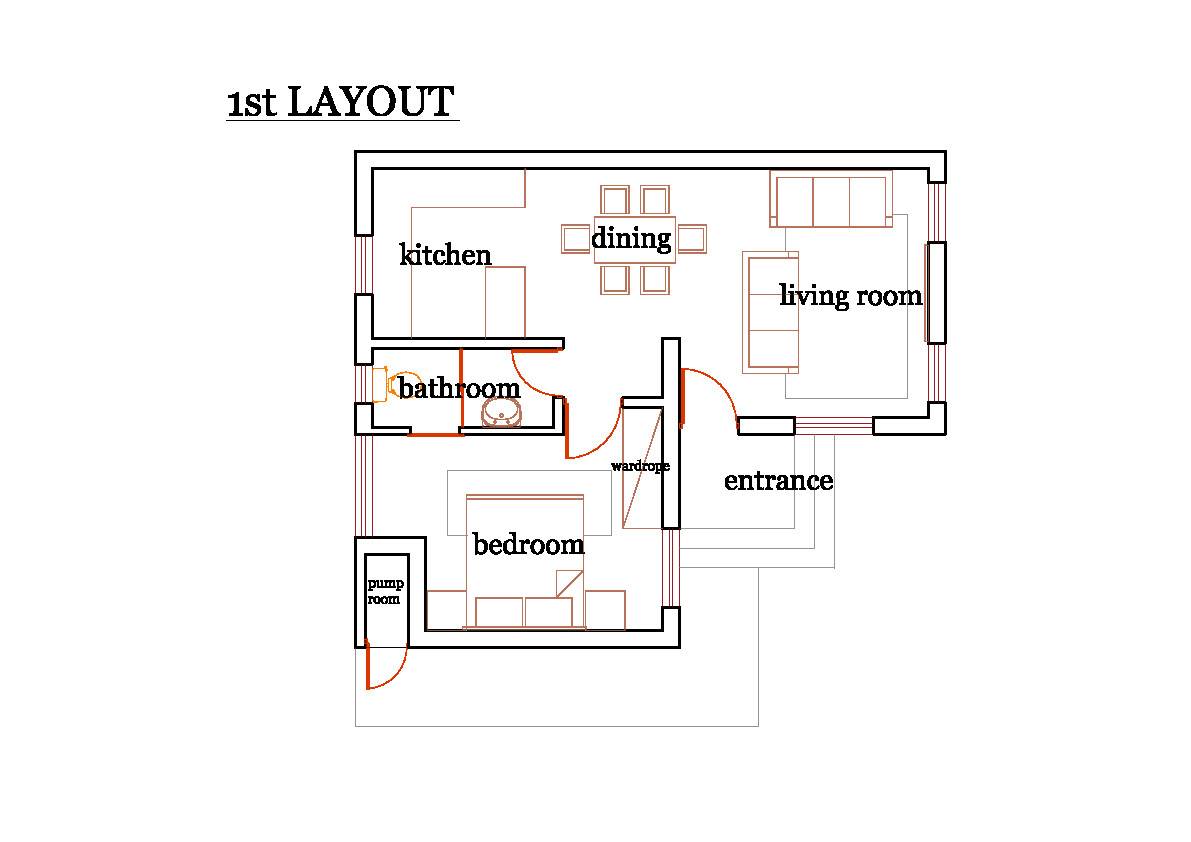
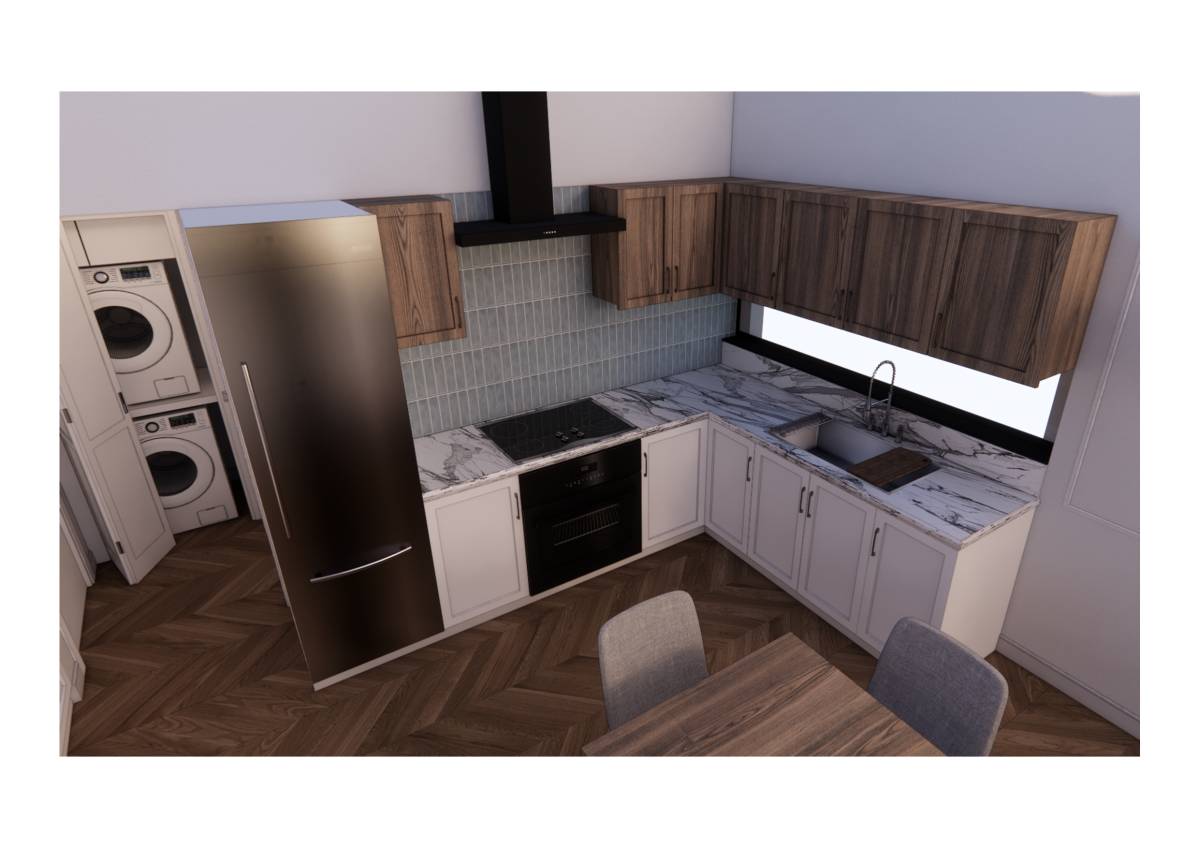
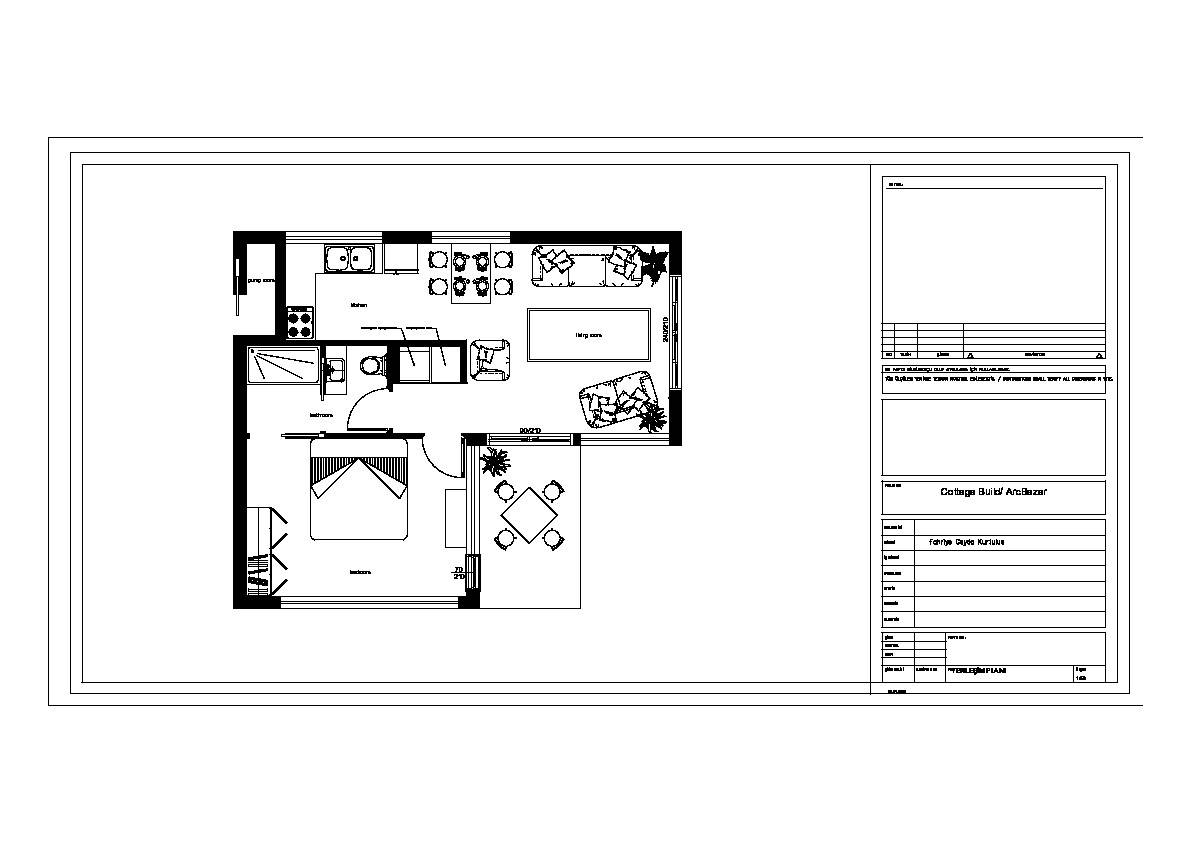
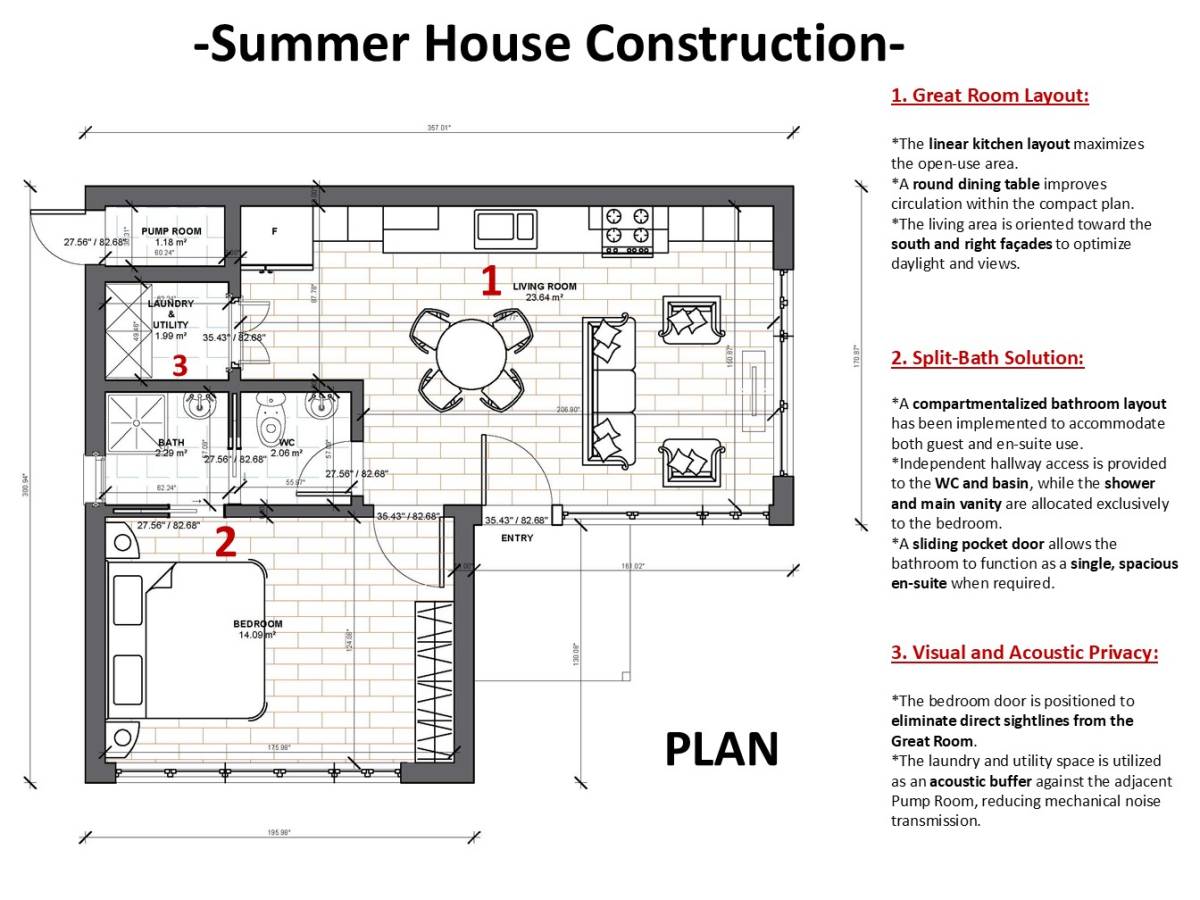
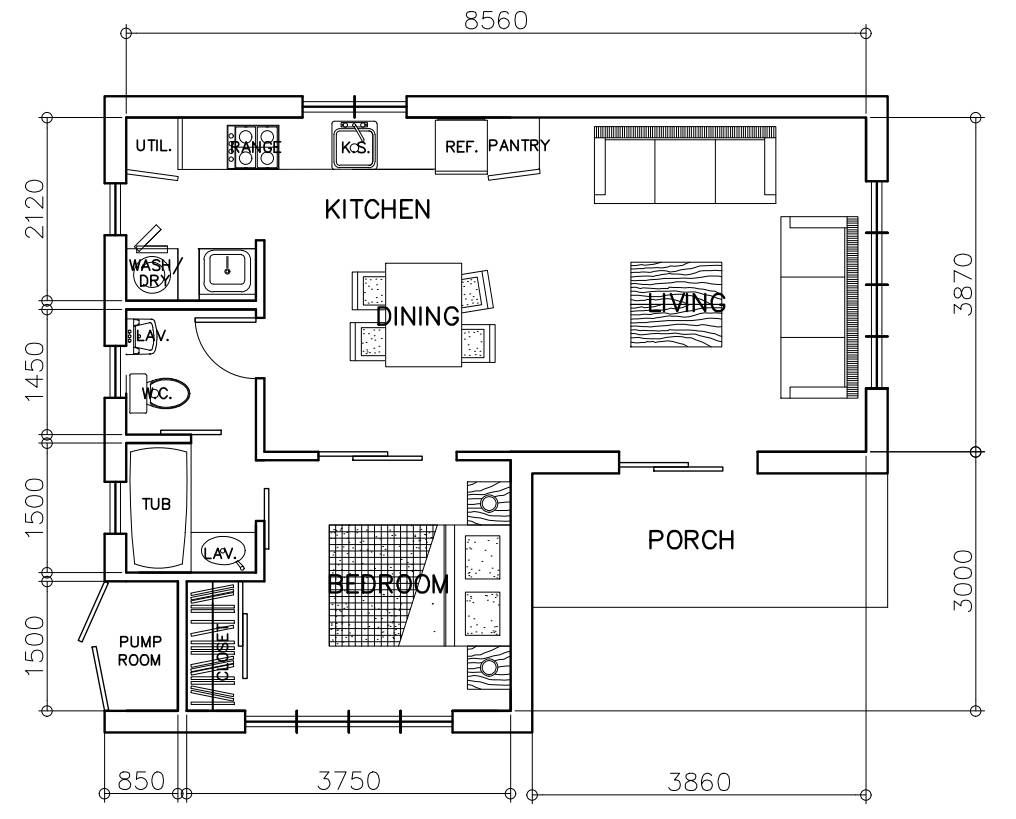
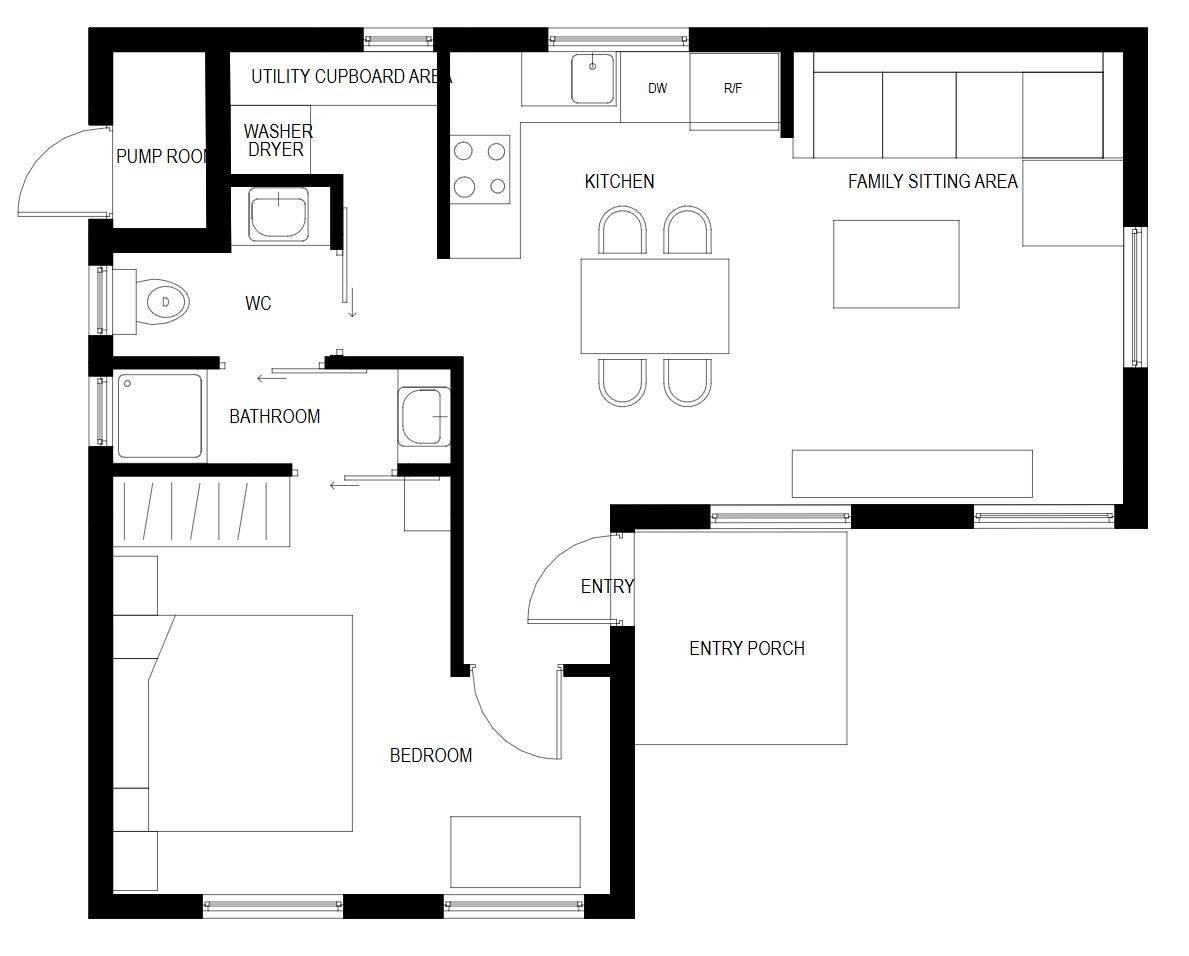
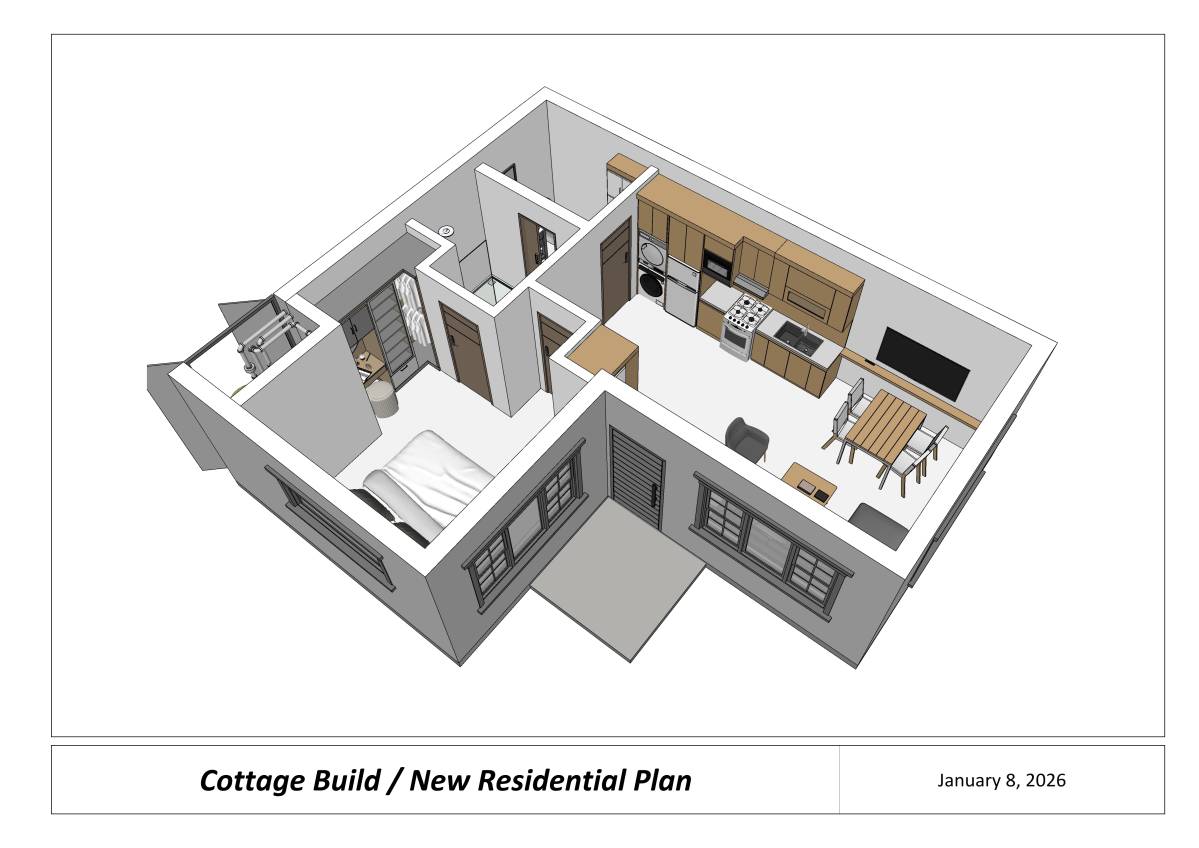
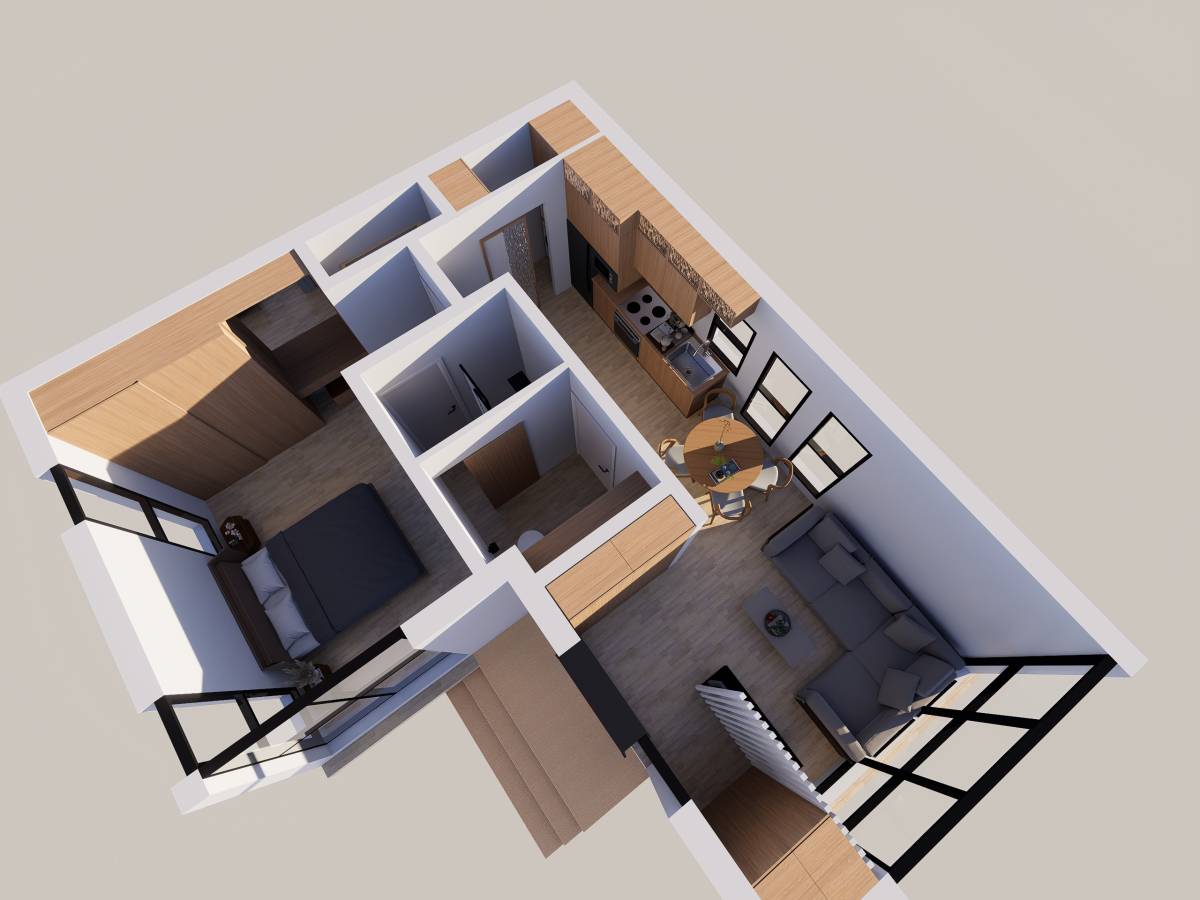
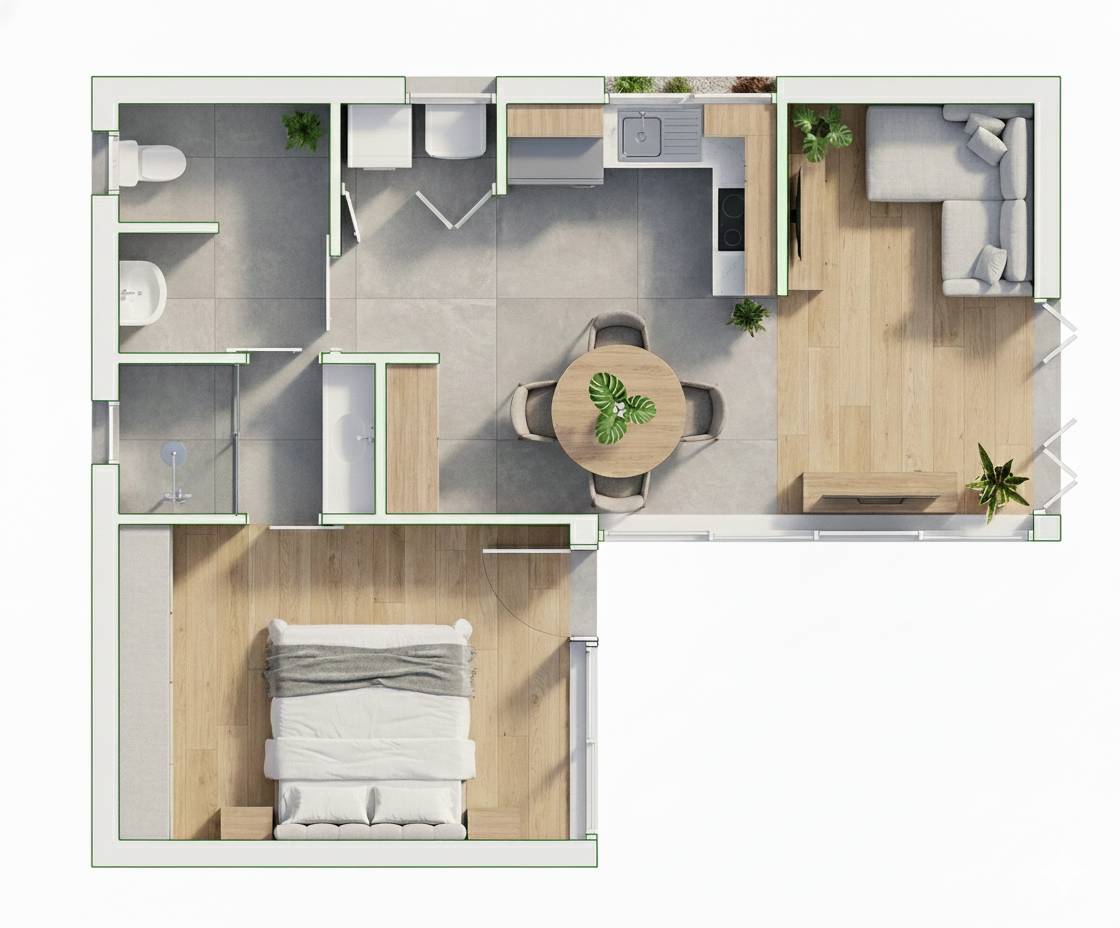
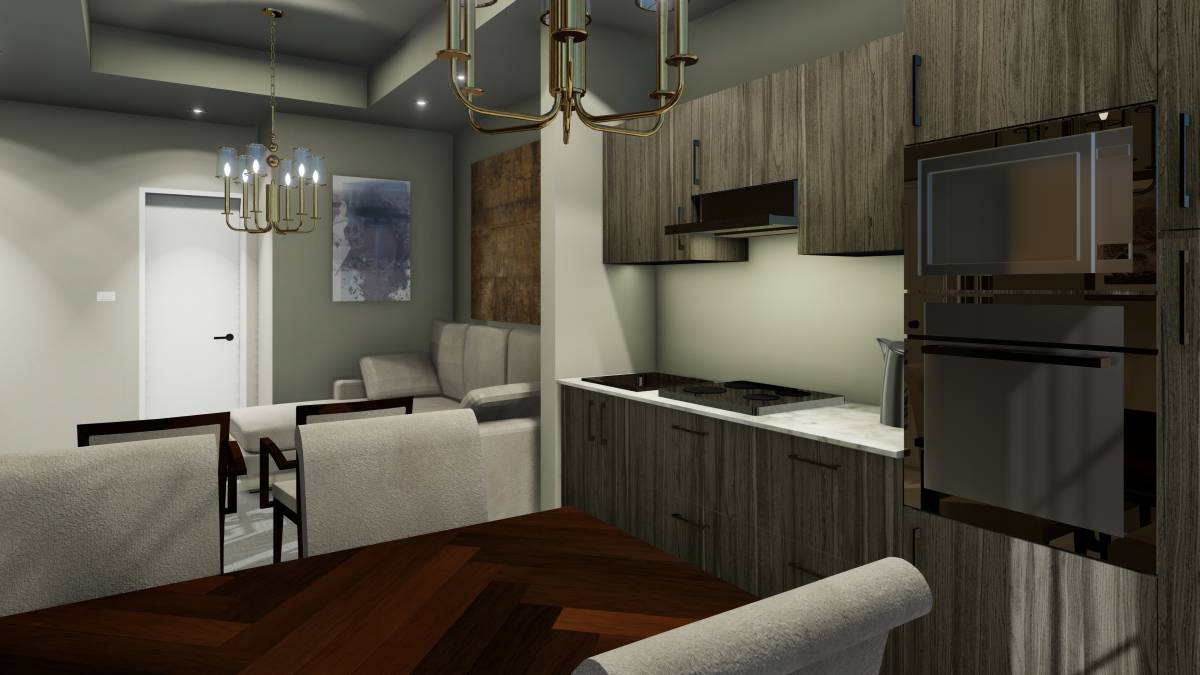
The clients envisioned a space that feels open and airy while remaining grounded and calm. In response, the interior is organized around a single, generous living volume that combines kitchen, dining, and sitting areas—designed for everyday use, not display. Dining is accommodated as a true shared activity, not reduced to bar seating, reinforcing the idea of hospitality and slow living.
Privacy is treated with care. The bedroom is sized comfortably for a king bed and integrated storage, and is intentionally buffered from the main living space to create a sense of retreat. The bathroom is designed as a flexible arrangement: a wet area directly connected to the bedroom, and a separate toilet that can function both as part of the en-suite and as a discreet powder room for visitors. This dual use reflects the clients’ desire for efficiency without compromise.
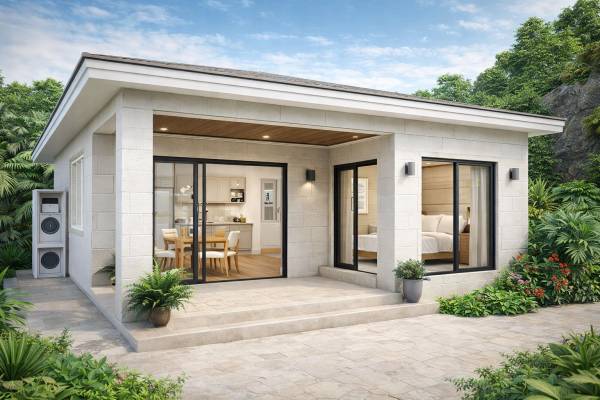
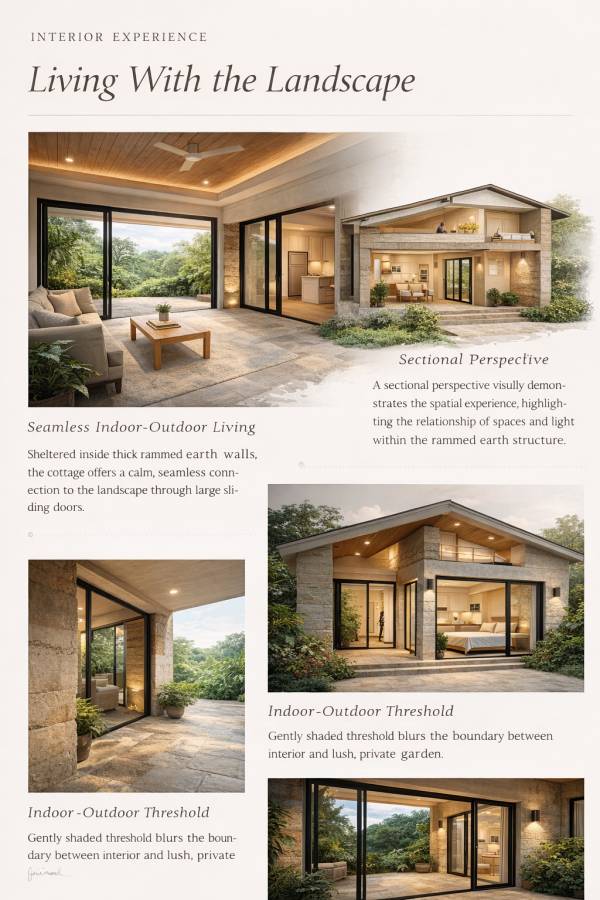
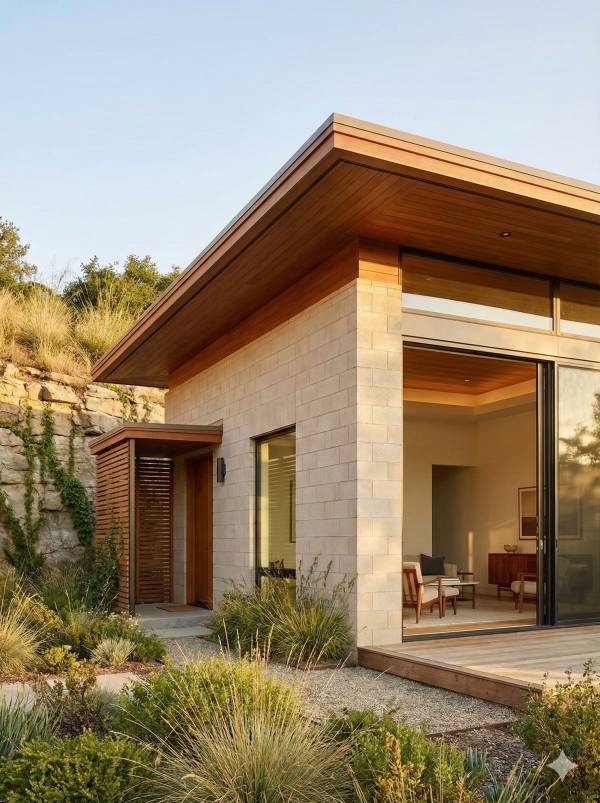
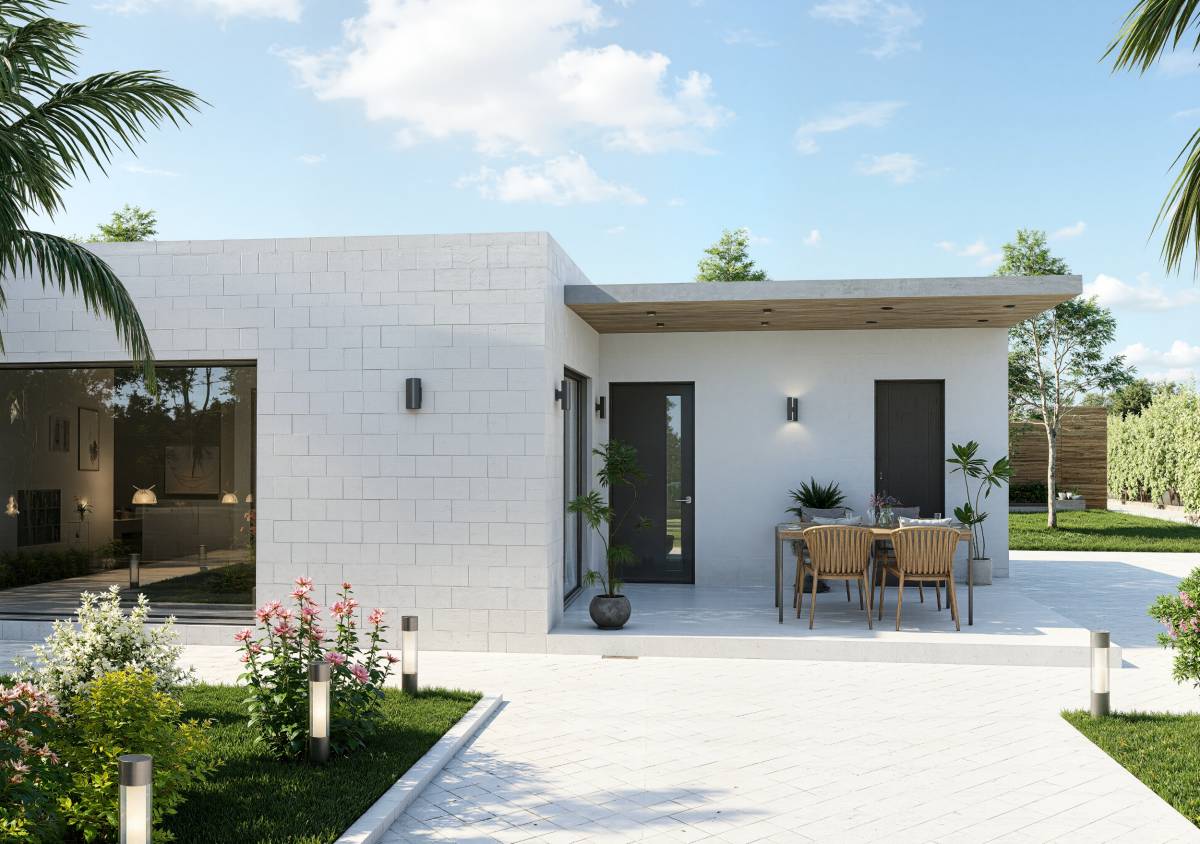
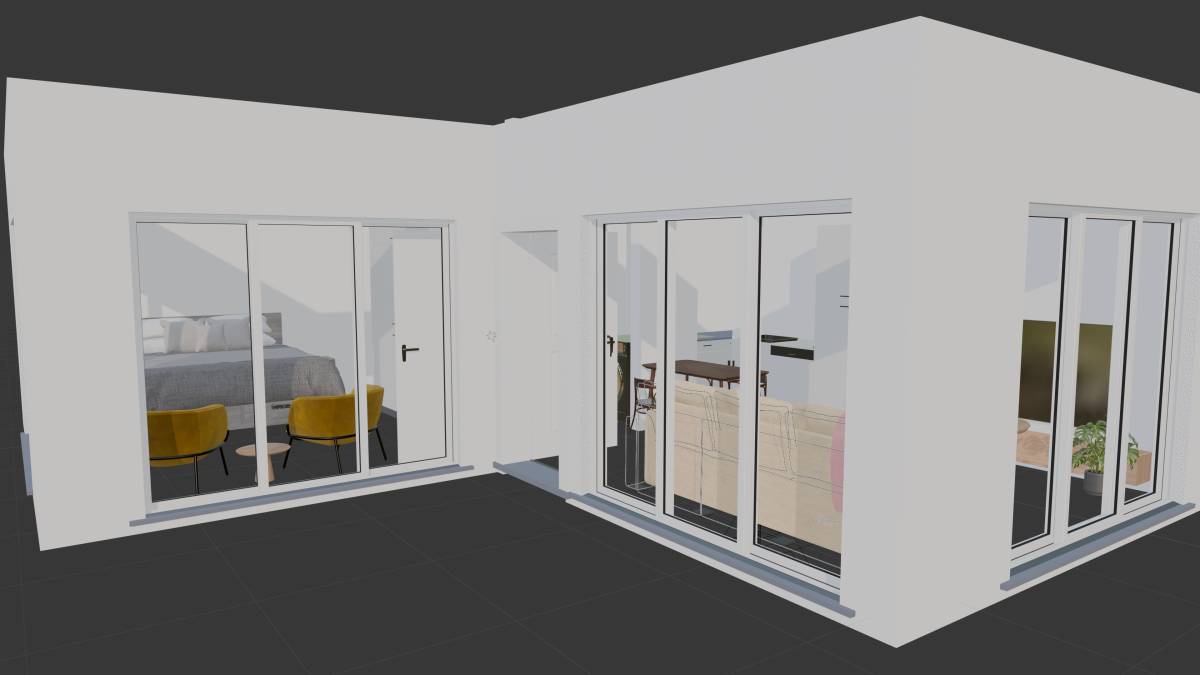
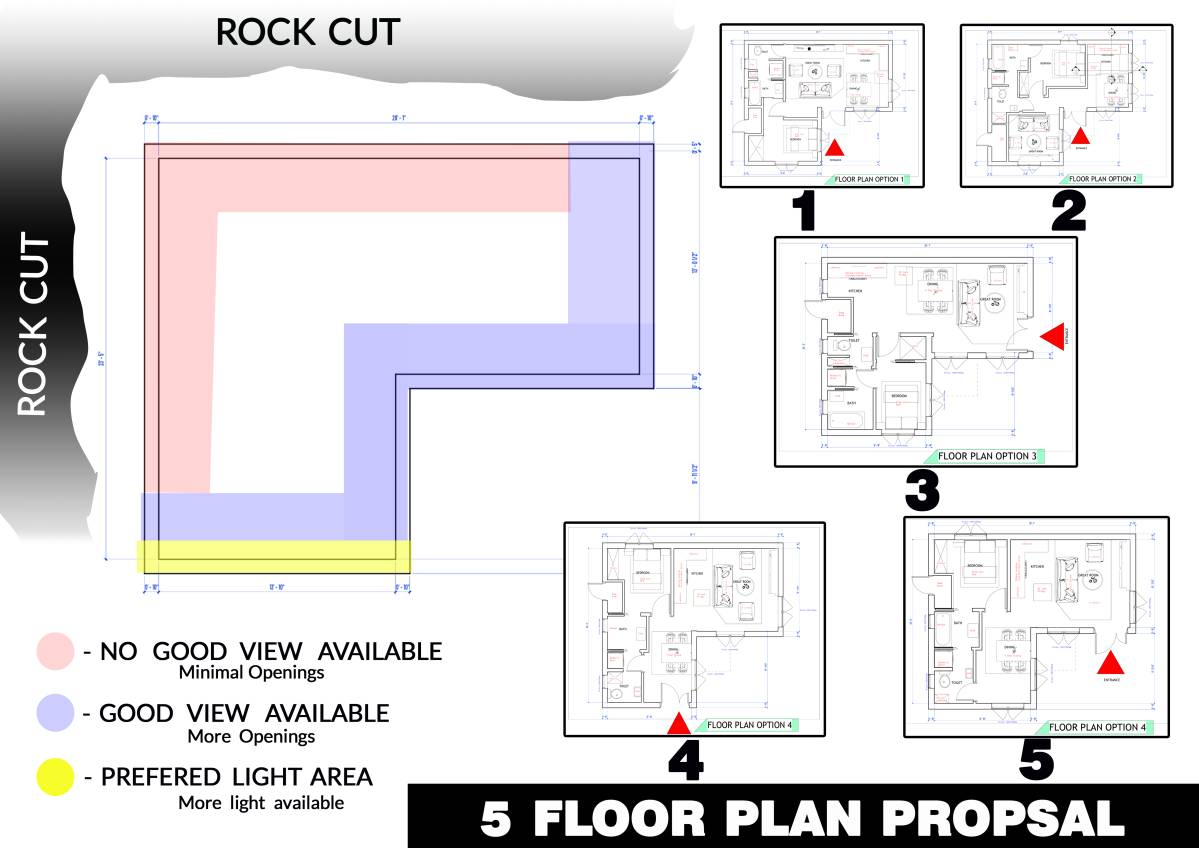
The orientation of the cottage is shaped by the realities of the site. With limited opportunities on the rock-cut sides, the design opens generously toward the most favorable light and views, strengthening the connection between interior life and the surrounding landscape. Larger openings on the preferred façades allow daylight, air, and views to define the daily experience of the space.
Material choices are honest and purposeful. Concrete block construction and thick walls are expressed as part of the architecture’s character, providing thermal stability and a sense of permanence. Tray ceilings are introduced to enhance spatial quality while keeping the overall building height modest, aligning with the clients’ preference for restraint over monumentality.
Ultimately, the cottage is designed as a place to inhabit quietly—a space that supports rest, hosting, and everyday rituals. It is not an object competing for attention, but a carefully considered extension of the home and its landscape, shaped by real needs, real constraints, and a desire for simplicity done well.